The 24-County Rule: How a Kenyan President Is Actually Elected
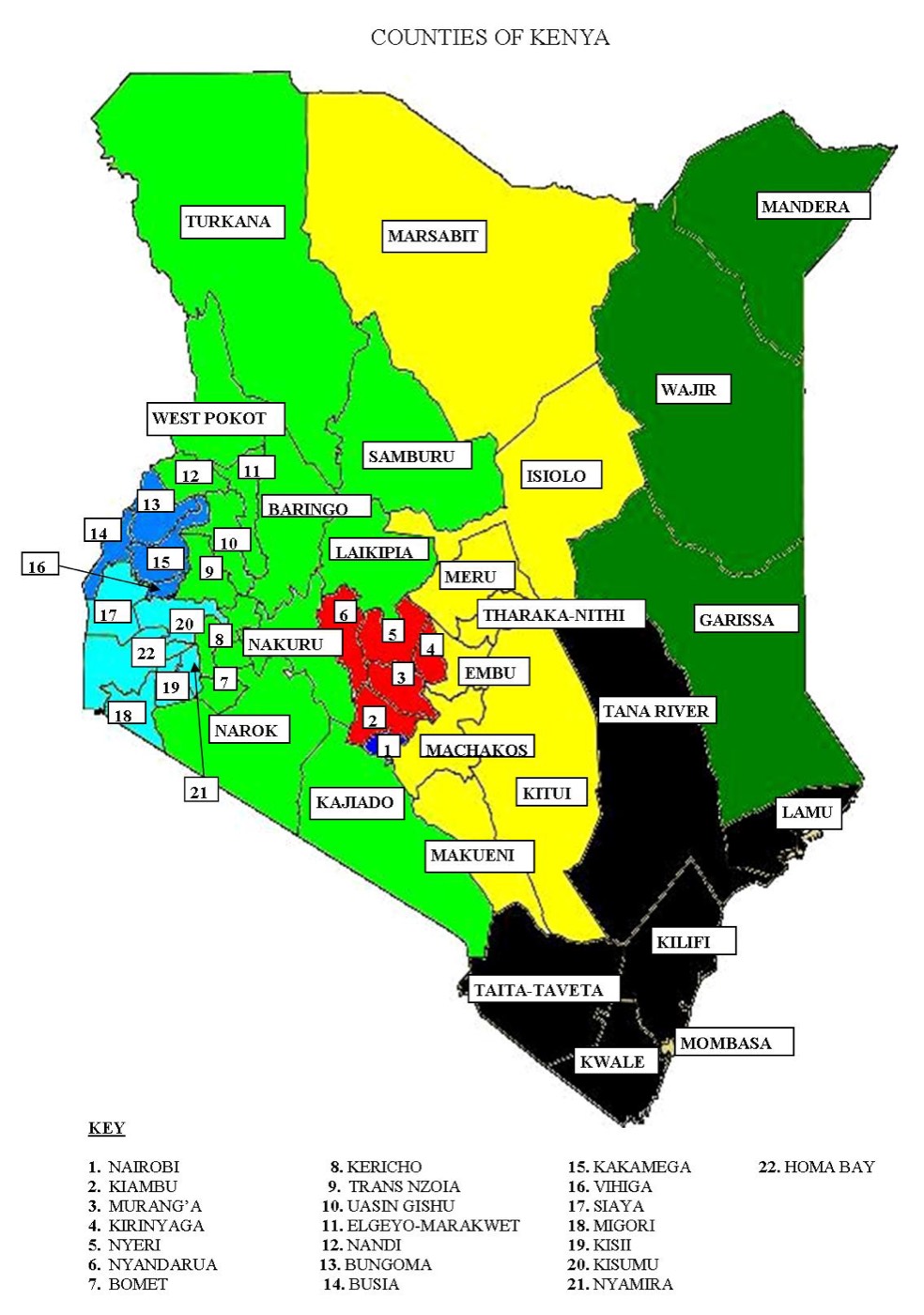
Almost every conversation about Kenya's presidential race gets the threshold slightly wrong, and the error matters because the second half of it explains the shape of every coalition in the country.
The two tests
To be declared President in the first round, a candidate must receive:
More than half of all votes cast in the presidential election; and
At least twenty-five per cent of the votes cast in each of more than half of the 47 counties — which means at least 24 counties.
Both. Failing either sends the top two candidates to a run-off.
Why the second test exists
It was designed to prevent a president being elected by overwhelming support in a few populous regions with no support elsewhere. A candidate must demonstrate a minimum floor of support across a broad geographic spread, not just a numerical majority.
In practice it has functioned as a constitutional requirement to build a multi-regional coalition, which is why Kenyan presidential politics is conducted almost entirely as the assembly of regional blocs rather than as a contest of programmes.
What 25 per cent in 24 counties actually requires
Consider what it excludes.
A candidate could win 60 per cent of the national vote, concentrated in the most populous counties, and still fail — if they fell below 25 per cent in 24 of the 47.
Conversely, a candidate needs only a quarter of the vote in a county to satisfy the test there. That is a floor, not a majority, and it makes thinly-spread support across many counties surprisingly valuable.
Which is precisely why a party contesting seriously in 47 counties — even where it cannot win them — is doing something strategically rational rather than merely aspirational.
Why Kenya has never had a presidential run-off
Because the coalition-building the second test forces tends to produce two large blocs, and one of them clears both tests.
The closest the country came was 2017, when the Supreme Court annulled the first election and the repeat poll was boycotted.
A genuinely fragmented field would change that, which is the arithmetic behind every conversation about opposition unity: three candidates at 12 or 13 per cent do not produce a run-off between two of them, they produce a first-round win for whoever is at 32.
What this means below the presidency
Two consequences that reach every candidate.
Your county matters to the national campaign in a specific way. A presidential campaign needs 25 per cent in your county. If it is confident of that, it will not spend there. If it is marginal, it will.
Your party's national position determines your resources. A party building toward the 24-county test needs credible candidates in counties it cannot win, which is an opportunity for an aspirant in an unfavourable county — the party needs you more than it would in a stronghold.
That is worth knowing when negotiating for a ticket, and almost no aspirant uses it.
Related: who is actually running.
What happens if nobody clears the threshold
The top two candidates go to a run-off, held within a period specified by law, and in the second round a simple majority of votes cast decides it — with no county threshold.
That last detail is important and almost never mentioned. The 25-per-cent county requirement applies to the first round. A run-off is decided on the national vote alone.
Which means a candidate with concentrated regional strength who could never clear the first-round test could win a second round outright, if they reached it. It is the single largest strategic asymmetry in Kenya's presidential system and it has never been tested, because no run-off has been held.
The 2017 repeat election was not a run-off. It was a fresh first-round election ordered after the Supreme Court annulled the original, and it was boycotted.
Frequently Asked Questions
What does a candidate need to win Kenya's presidency?
More than half of all votes cast nationally, and at least 25 per cent of the votes cast in each of more than half of the 47 counties — meaning at least 24 counties. Failing either test sends the top two to a run-off.
Has Kenya ever held a presidential run-off?
No. The coalition-building the county threshold forces has tended to produce two large blocs with one clearing both tests. The closest was 2017, when the Supreme Court annulled the election and the repeat poll was boycotted.