Eleven Kenyan Governors Have Been Impeached Since Devolution Began
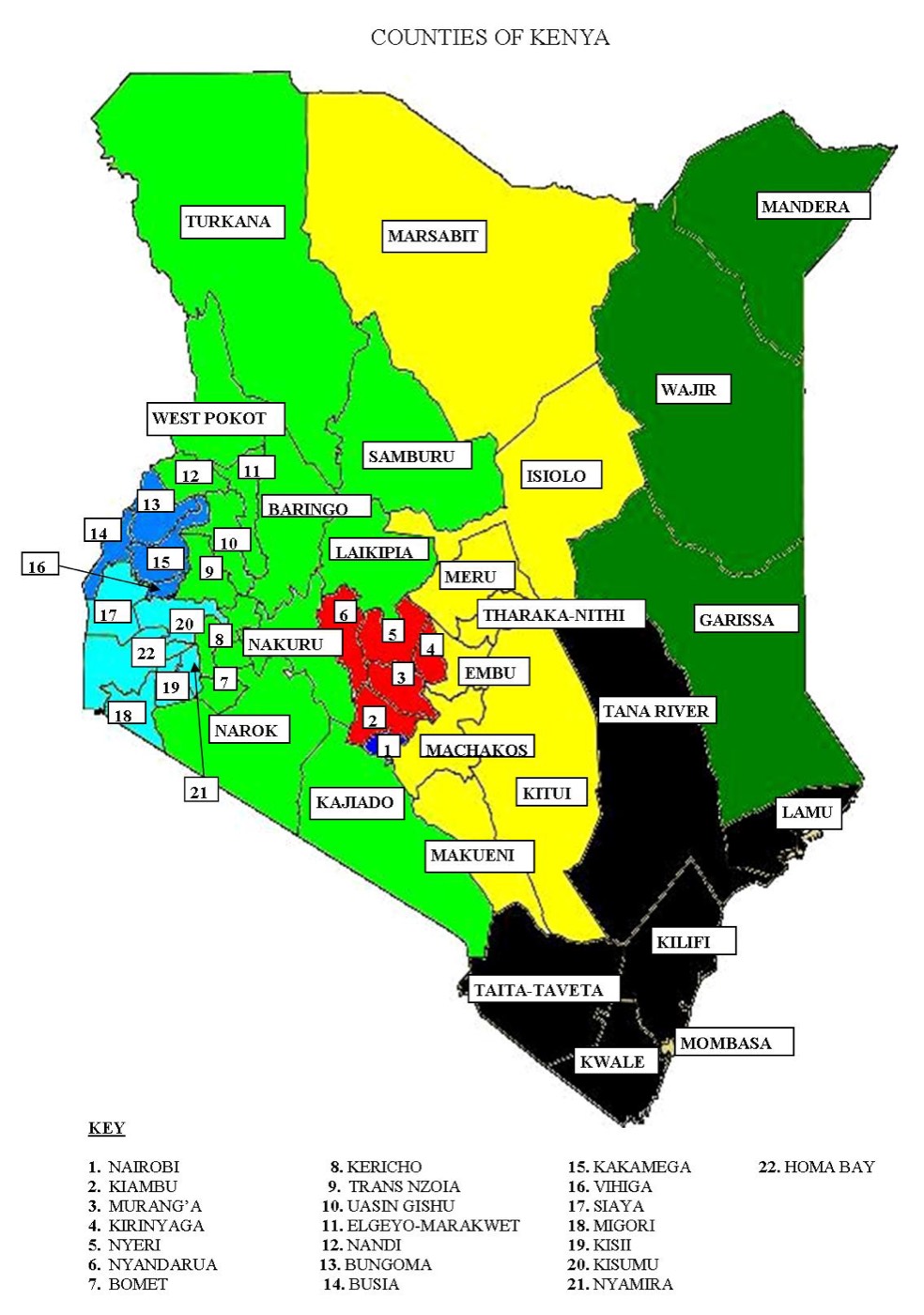
Since devolution began in 2013, eleven Kenyan governors have been impeached by their county assemblies.
The most recent addition to that list was Nyamira's Amos Nyaribo, removed by 23 MCAs in a motion citing gross violation of the Constitution, abuse of office and gross misconduct — and then saved when the Senate ruled the assembly had not met the constitutionally required two-thirds threshold under Article 181 and the County Governments Act.
That sequence — impeached, then rescued on a threshold or a procedural defect — is close to the norm.
What actually triggers an impeachment
The stated grounds are almost always the same three: gross violation of the Constitution or law, crimes under national or international law, and gross misconduct.
The actual triggers are more mundane and much more consistent.
A budget fight. County assemblies approve budgets. A governor who circumvents or ignores the assembly on money is inviting a motion.
Ward development allocations. MCAs answer to wards. A governor who distributes projects unevenly across wards is creating a coalition of MCAs with the same grievance.
A broken political deal. Many impeachments are the visible end of a private arrangement that collapsed.
A deputy governor with ambitions. Impeachment elevates the deputy.
Why the Senate so often reverses them
Because impeachment is legally demanding and county assemblies are frequently under-resourced.
The threshold is high, the procedure is specific, the charges must be particularised, and the evidence must support them. An assembly that assembles a motion in political heat rather than legal care produces something the Senate can reject on procedure without ever reaching the merits.
Which is what happened in Nyamira: the Senate found the motion invalid and incompetent for failing to meet the mandatory threshold.
The cost even when it fails
A governor who survives impeachment does not emerge unharmed.
They have spent months on it. The county's business has stalled. The charges are in the public record whether or not they were tested. And every challenger in the 2027 race now has a ready-made campaign line that requires no further research.
What this means for 2027 aspirants
If you are a sitting governor: your county assembly is your most important political relationship, and the most common cause of impeachment is uneven ward allocation. A governor who can show, ward by ward, what has been allocated and delivered is defending against the motion before it is drafted.
If you are challenging one: the assembly record is your best source. What was the assembly's complaint, what did the audit find, and what happened to it. That is specific, documented criticism, which is worth far more than general accusation.
If you are running for MCA: understand that you are running for a job with real power over a county executive, and that voters have almost no idea that is what the job is. Which is a gap worth closing on the doorstep.
The deeper problem
Eleven impeachments in just over a decade is not a sign of a healthy accountability mechanism. It is a sign of a system where the only tool available for a political disagreement is the nuclear one.
A county assembly with functioning committees, real budget scrutiny and the ability to compel answers would not need to reach for impeachment as often. Most do not have those things, and building them is nobody's campaign platform.
What happens to the county while it runs
An impeachment is not a discrete event. It is a two-to-four-month process that consumes a county government.
Procurement slows because officers do not want to sign anything. Suppliers hold back because they do not know who will authorise payment. Senior staff start positioning for whichever outcome. Development stops.
Which means the residents of the county pay for the dispute regardless of who wins it — and that is the strongest argument for building the routine oversight tools that would make impeachment unnecessary.
The 2027 consequence
Every county that has been through an impeachment attempt in this term carries it into the election. The governor runs as somebody who survived a coup; the assembly members who moved it run as people who tried and failed; and the residents run the arithmetic on two lost years.
That is a genuinely open race, and it is exactly the kind of county where a challenger with a real ward structure — coordinators, volunteers, a record of complaints raised and closed — beats a bigger name with a rally budget.
Frequently Asked Questions
How many Kenyan governors have been impeached?
Eleven have been impeached by their county assemblies since devolution began in 2013, though a number of those impeachments were subsequently overturned by the Senate.
What are the grounds for impeaching a governor in Kenya?
Gross violation of the Constitution or any other law, commission of a crime under national or international law, and gross misconduct — under Article 181 of the Constitution and the County Governments Act.
Why do Kenyan impeachments often fail at the Senate?
Because the process is legally demanding. Motions must meet a two-thirds assembly threshold and be properly particularised and evidenced, and assemblies frequently fall short on procedure, allowing the Senate to reject a motion without reaching the merits.