Every 2027 Candidate Needs a Dedicated Campaign Bank Account. Start Now.
The 2027 campaign finance regulations contain one requirement that will reshape how Kenyan campaigns actually operate: all campaign money must move through a designated campaign bank account. Donations, contributions, and the candidate's own money go in there first, and spending comes out of it.
Most aspirants read that and think "fine, I'll open an account in June". That is the wrong instinct, and here is why.
The account is not the hard part. The discipline is.
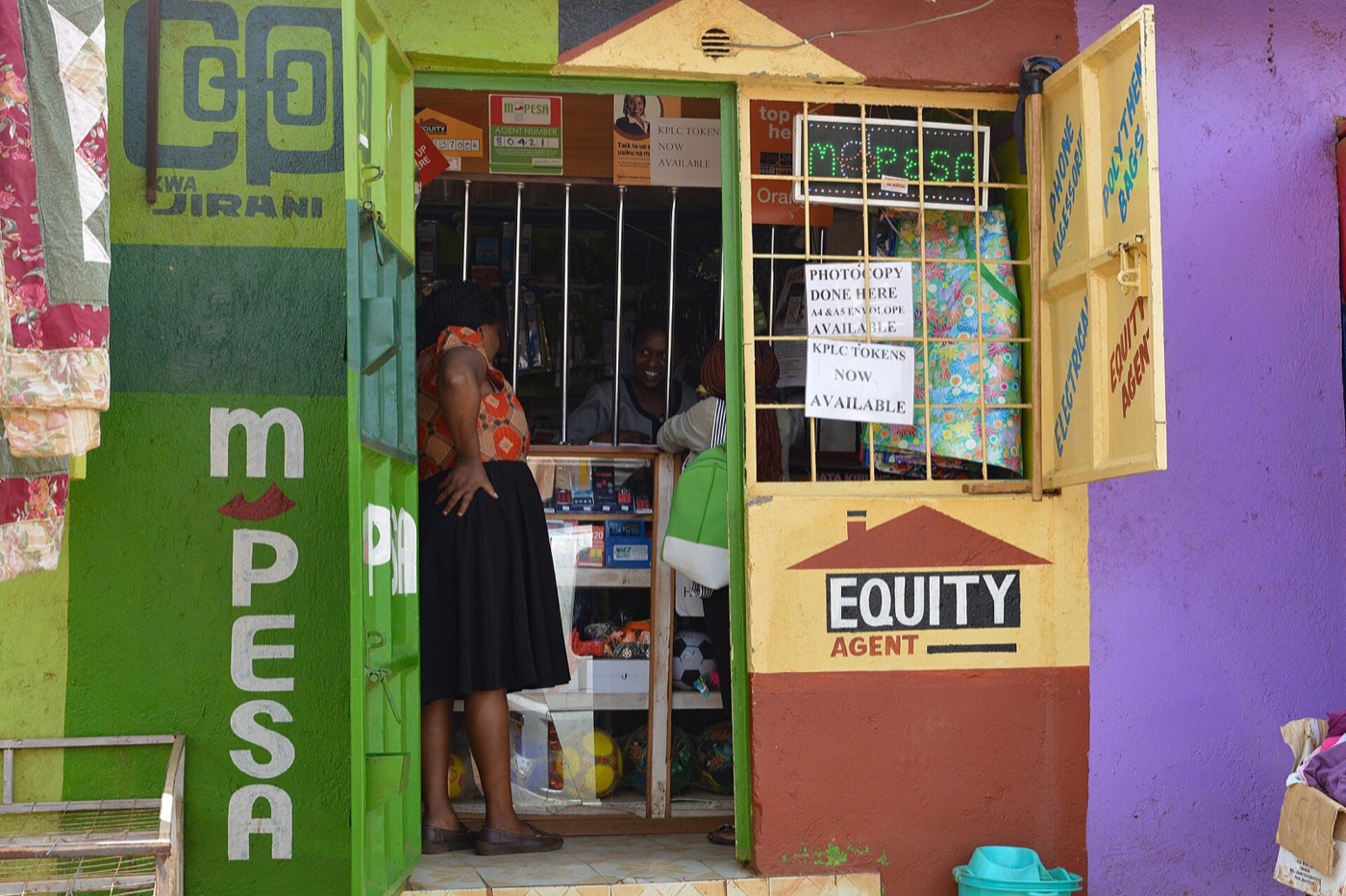
Opening the account takes an afternoon. What takes months to build is the habit of every shilling going through it — because the way Kenyan campaigns have always worked is that the candidate's personal M-Pesa is the campaign's treasury, and cash arrives in envelopes from people who would prefer not to be listed.
If you start in June 2027, your first three months of spending will already have happened outside the account. You will then either leave a gap in the record or reconstruct it, and reconstruction is what looks bad.
A structure that works for a small campaign
You do not need a finance department. You need four things.
One account, one signatory pair. The candidate and one other person. Not the candidate alone — a single signatory is how campaigns end up with disputes nobody can settle.
A treasurer who is not the campaign manager. Different jobs, different incentives. The campaign manager's job is to spend money to win. The treasurer's job is to say no and write it down.
A written approval threshold. Anything under a set amount, the coordinator can spend and claim. Anything above it needs approval before it is spent, not after. Pick a number that fits your budget and put it in writing.
A single place the record lives. This is the one campaigns get wrong. Bank statements tell you money left. They do not tell you what it was for, which ward it served, or who authorised it. That has to be recorded alongside — at the moment of spending, by the person who spent it.
BallotWinners tracks spending the way an auditor reads it: every cost attached to an event, a ward or a coordinator, with the receipt image and the approving person recorded on the same row. Not because it is a nice feature but because the alternative is a spreadsheet nobody has updated since March.
The three mistakes we see every cycle
- Mixing personal and campaign money "temporarily". It is never temporary. Once the accounts are mixed, separating them is a forensic exercise you will pay an accountant to do badly.
- Paying agents in cash on polling day with no list. You will spend real money — often the largest single day of spending in the whole campaign — and have no record of who received it. Agent payments should be a named list, prepared in advance, reconciled the same night.
- Treating in-kind support as free. A donated venue, printing done at cost, fuel from a supporter's station — these are contributions. If the rules require disclosure and you have not recorded them, you have a gap you did not know about.
Do it this quarter
The election period is already open. There is no advantage to waiting, and one large disadvantage: every month you delay is a month of spending that exists only in somebody's memory.
Related: the 2027 spending limits by seat.
The monthly close, which takes an hour
Set one date a month. On that date, four things happen and nothing else.
1. Reconcile. Every line on the bank statement matched to a recorded expense with a purpose and a ward. Anything unmatched is chased that day, not next month.
2. Total by ward. Not just overall. A campaign on budget nationally and four times over in three wards has a problem the total conceals.
3. List the in-kind support received. Donated venues, discounted printing, fuel from a supporter. Give each a value. This is the line campaigns forget and it is the one with disclosure implications.
4. Sign it. The candidate and the treasurer. A monthly record somebody has signed is a materially stronger document than a spreadsheet nobody has ever reviewed.
Why the first close is the hard one
The first monthly close in a campaign that has been running informally takes a day and is unpleasant, because it surfaces everything that was never recorded. Every subsequent one takes an hour.
Which is the argument for doing the first one in October 2026, when there are two months to reconstruct, rather than in June 2027, when there are nine.
Frequently Asked Questions
Is a campaign bank account mandatory for Kenyan candidates in 2027?
Yes. Under the campaign finance regulations gazetted in August 2026, every political party, candidate and independent must establish a designated campaign bank account through which all campaign funds are routed.
Can a candidate use their personal M-Pesa for campaign money?
Not as the campaign's treasury. Contributions and campaign funds must be deposited into the designated campaign account before being disbursed, which means personal mobile money should not be the account of record.
Who should control a campaign's finances?
Keep the treasurer role separate from the campaign manager role, use two signatories rather than one, and set a written approval threshold above which spending must be approved before it happens.