KNCHR Logged Political Violence All Through Mid-2026. Here's a Response Plan.
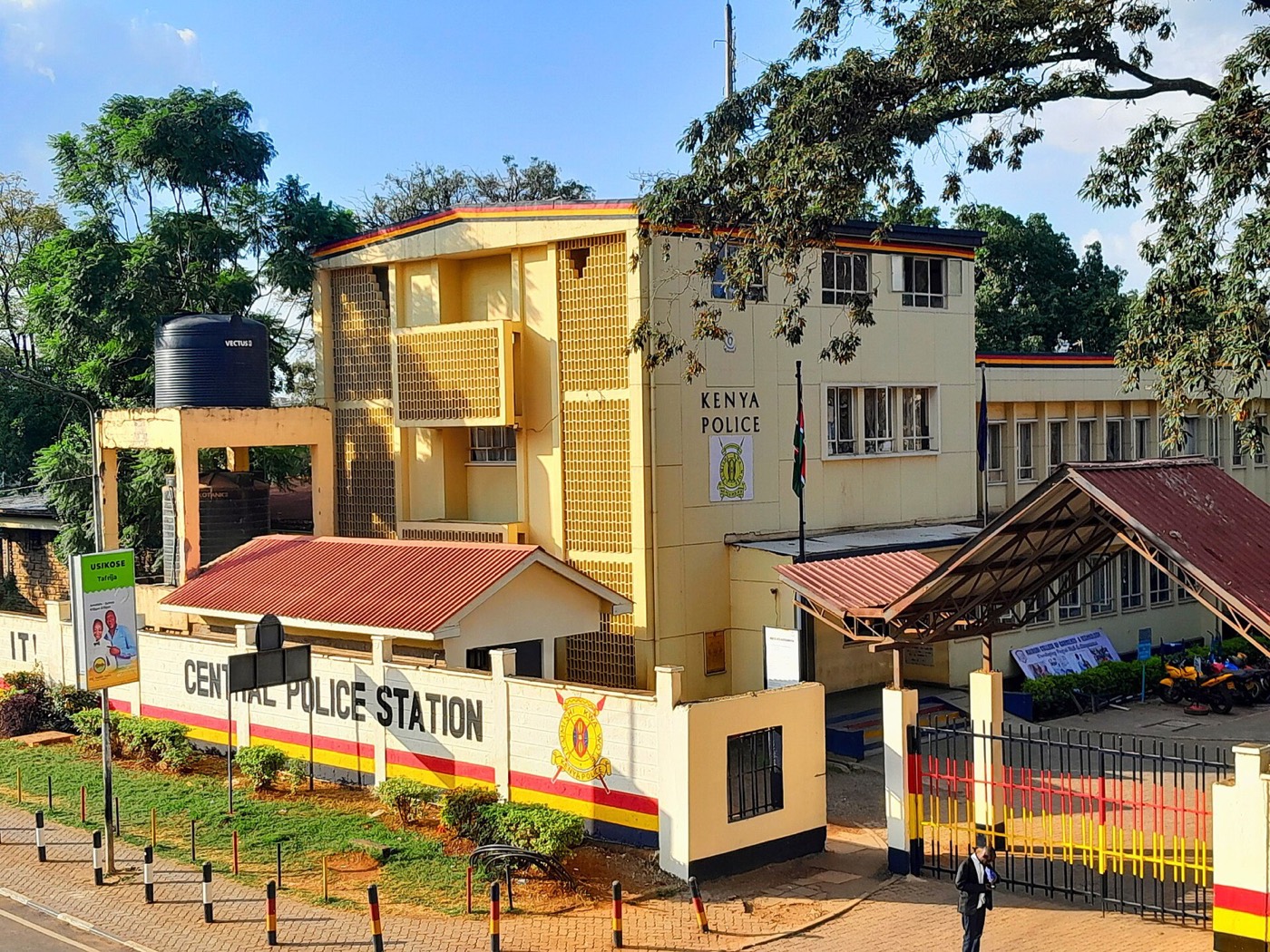
The Kenya National Commission on Human Rights spent the middle of 2026 documenting a pattern: political intolerance, violence, intimidation, and the alleged use of organised groups. It logged a series of incidents between June and August 2026 and warned that the trend could undermine constitutional rights and democratic participation ahead of the 2027 General Election.
Most campaign responses to this are statements. Statements are free and they protect nobody.
Here is a plan that a ward or constituency campaign can actually implement, on the budget a ward or constituency campaign actually has.
Before any public event
Name a marshal team and write down who they are. Five to ten people whose job at the event is not cheering. They should be identifiable — a cap, a lanyard, anything — and they should know each other by name.
Notify the police station and keep the acknowledgement. Whatever you think of the response, a written record that you notified is protective for you and useful later.
Publish the route internally, not publicly. Convoy ambushes in the 2025 by-elections targeted movements. A route that is known to your team and not to the internet is a small, free improvement.
Decide the abort rule in advance. One named person has the authority to end the event. Everyone knows who it is. This is the single most important line in the plan, because in the moment nobody wants to be the one who calls it.
During the event
One person on liaison, not the candidate. The candidate is speaking. Somebody else is on the phone.
Two people recording. Not for social media — for evidence. Time-stamped video of an incident is what turns "there was chaos" into a complaint that can go somewhere.
A rally is not a headcount exercise. Have somebody signing people up while the speeches happen. This is both good organising and good safety: a crowd you have recorded is a crowd you know something about.
For polling day
Polling day is a different problem and it needs its own preparation, because your people will be spread across dozens of buildings at once.
- Every agent's station and stream, recorded, in advance.
- A check-in at opening, at close, and at declaration. Three fixed times, so a missing check-in is visible immediately rather than at midnight.
- One person whose only job is watching for missing check-ins.
- A written instruction on what an agent does if asked to leave a station. Not "use your judgment". A rule.
A campaign that can see, in real time, which of its polling streams have reported and which have gone quiet is a campaign that can send somebody. One that finds out the next morning cannot. That visibility is precisely what BallotWinners provides — every stream showing its agent, its check-ins and its result form, with the silent ones listed.
Afterwards
Write it down the same night. Time, place, what happened, who was there, what was recorded. Memory degrades fast and a complaint filed in October about an August incident is much weaker than one supported by contemporaneous notes.
Report it, even if you expect nothing. KNCHR, ELOG and other observer networks build their picture from reports. The documented pattern that produced the mid-2026 warnings exists because people reported.
Do not retaliate. Beyond the obvious, the Electoral Code of Conduct has been in force since 20 August 2026 and a party can be answerable for what people acting on its behalf do.
The part that is not a plan
None of this makes a campaign safe. It makes a campaign prepared, which is a smaller and more achievable thing.
The larger problem — a labour market that makes Sh500 a real day rate for disrupting a rally — is not solvable by any campaign's safety protocol. We wrote about that in the goon economy piece.
Frequently Asked Questions
What did KNCHR say about political violence before Kenya's 2027 election?
The Kenya National Commission on Human Rights raised alarm over a growing pattern of political intolerance, violence, intimidation and the alleged use of organised groups, documenting a series of incidents between June and August 2026 and warning the trend could undermine democratic participation ahead of 2027.
How should a Kenyan campaign prepare for violence at events?
Name and identify a marshal team, notify the police station and keep the acknowledgement, keep routes internal, appoint one person with authority to end an event, assign a liaison who is not the candidate, and have two people recording for evidence rather than social media.