A Voter Contact Plan for a Ward You Have Never Worked
You have been handed a ward. You did not grow up there, you cannot name its sub-locations, and somebody expects a plan by the end of the week.
Do the work in this order. It is not the order most campaigns use, and that is why most campaigns spend their first two months producing activity instead of coverage.
Get the list of polling stations first
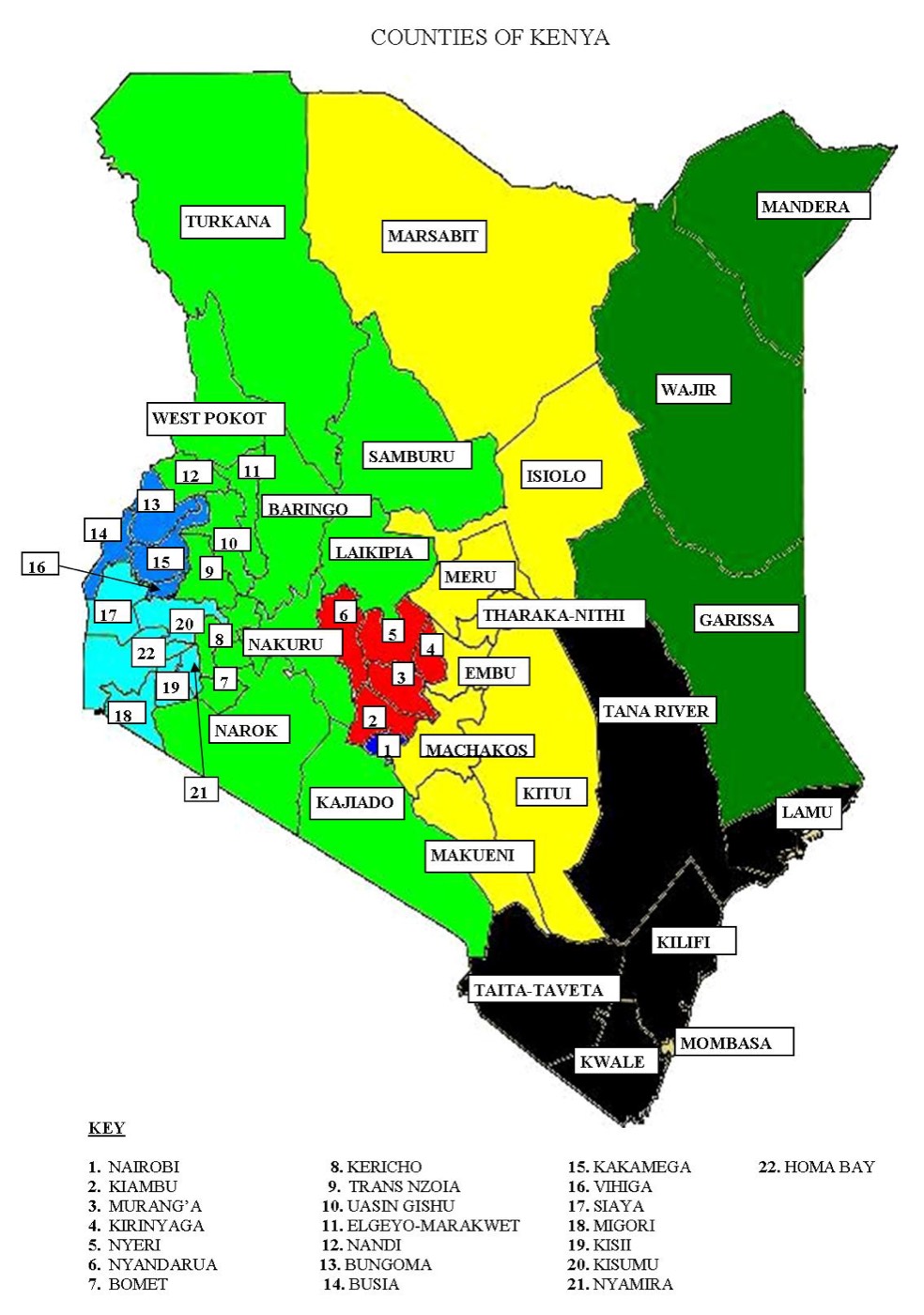
Kenya has 47 counties, 290 constituencies and 1,450 wards, and every ward is divided into polling centres and streams. That structure is the only map that matters, because it is how the register is organised and how the count is organised on 10 August 2027.
Before you knock a single door, write down every polling centre in the ward and the number of registered voters attached to it. The returning officer's office and the commission's published station lists are the starting point, and party structures usually hold a working copy.
Now you have a denominator. Almost nothing else you do this year is meaningful without one.
Walk it once carrying no message at all
Spend two days in the ward saying nothing about your candidate.
Find the market and the day it runs. Find the boda stages and note roughly how many riders sit at each. Find the churches and mosques and the times they fill. Find the chama meeting points, the water points, the primary schools, the place people go when the power is out.
Write down what you see. This is the only period in the whole campaign when people will speak to you without first deciding what you want, and it will tell you more than any briefing.
Do the arithmetic before you promise anything
A ward of ten thousand voters cannot be covered by six people in a weekend, and the arithmetic is worth doing before you promise it to anybody.
Take your households, divide by the number of canvassers you actually have rather than the number on a WhatsApp list, then divide by the usable evenings and Saturdays between now and the election. The number that falls out is your real weekly rate.
If that number is impossible, you have three levers and no others: more canvassers, fewer households, or more weeks. Pick one honestly at the start rather than discovering in July 2027 that you covered a third of the ward.
Fewer households means ranking your stations rather than abandoning them. Rank on two things you can find out: how many voters are registered at each one, and how your side performed there last time or the closest proxy you have. Send your strongest people to the big stations where you are weak, keep the big stations where you are strong warm, and be honest about the small ones. That is the ward-level version of the county method in the door-to-door piece.
Recruit four people before you recruit forty
A ward plan fails on people, not on strategy.
The first four you need are somebody who knows the market traders, somebody respected at the boda stages, a woman who sits in more than one chama, and somebody young who already makes content the ward watches. That last one matters more every cycle, and the reason is set out here.
Those four will introduce you to everybody else. Recruiting forty strangers first and then trying to place them is the standard mistake, and it produces a roster nobody can vouch for.
Decide now what you will count every week
Pick the numbers before you start, because a number introduced later is always suspected of having been introduced to flatter somebody.
Households visited. Names collected with a phone number. People contacted again after the first visit. Streams with a named agent. Complaints logged, and complaints closed.
Five numbers, reported on the same day each week, per polling centre. That is a ward plan. The rest is detail, and there is a fuller treatment of the weekly discipline in the coordinator piece.
What the first month should produce
Not converts. A structure.
By the end of a first month you should be able to name every polling centre, say roughly how many voters sit behind each, name a person responsible for each, and produce a list of residents you have actually spoken to that is longer than the list of people who came to your launch.
If you can do that in a ward you had never worked, you are ahead of most campaigns in the county, and you got there by walking and writing things down rather than by spending.
Start with the station list. Everything else hangs off it.
Frequently Asked Questions
How do I plan voter contact in a ward I do not know?
Start with the list of polling centres and the registered voters behind each one, because that is how both the register and the count are organised. Then walk the ward for two days without campaigning, so you learn where people already assemble. Only after that should you allocate canvassers, and the allocation should follow the station ranking rather than where the crowds feel warmest.
What should a ward campaign count every week?
Five things, reported per polling centre on the same day each week: households visited, names collected with a phone number, people contacted again after a first visit, streams with a named agent, and complaints logged against complaints closed. Choose them before you begin, because a measure introduced later is always suspected of having been chosen to flatter somebody.
How many canvassers does a ward actually need?
Work it out rather than guessing. Divide the households by the canvassers who genuinely turn up, then divide again by the evenings and Saturdays left before the election. If the weekly rate that falls out is impossible, you have only three levers: more canvassers, fewer households, or more weeks.