What to Do With the Names You Collected at the Rally
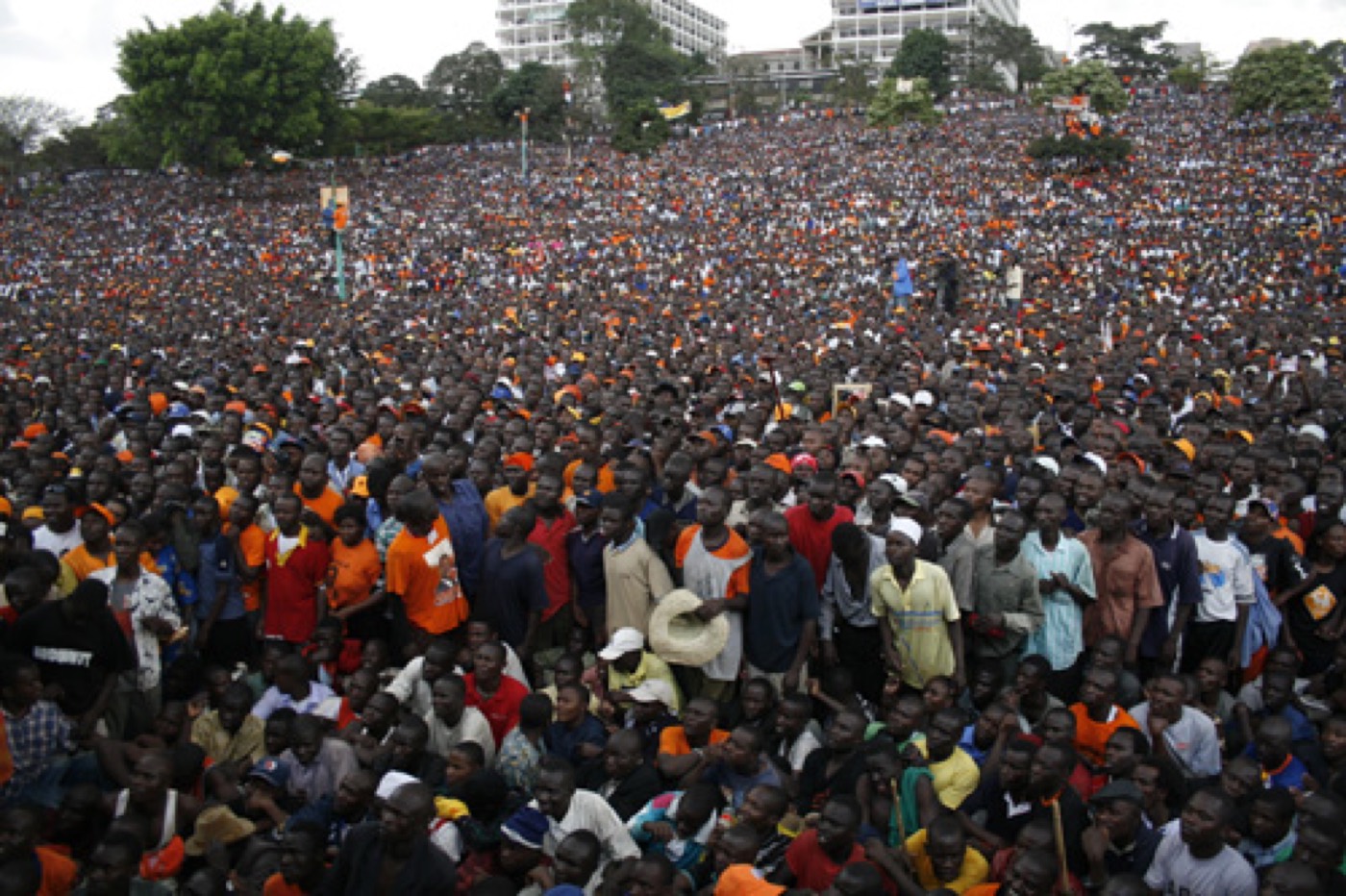
A rally costs money. Venue, tent, chairs, PA, transport, refreshments, security, and the time of everybody who organised it.
It produces one thing reliably: a large number of people standing in one place who are, at that moment, more willing to help you than they will be at any other point in the year.
Kenyan campaigns spend the money and let that moment pass.
What actually gets captured now
Usually: photographs, a video clip, and a rough estimate of the crowd for the press.
Sometimes: a sign-up sheet at a table near the entrance, which perhaps forty people out of four thousand find.
That is it. Then everybody goes home, and the campaign's relationship with those four thousand people ends.
What should happen instead
During: capture, actively.
Do not put a table by the gate and hope. Assign ten volunteers whose entire job during the rally is signing people up, moving through the crowd. Name, phone, ward, and one question: "would you help?"
Ten people working a crowd for ninety minutes will capture several hundred names. A table captures forty.
Same evening: get it into one place.
Not a photograph of a paper list sent to a WhatsApp group. Entered, by ward, where somebody can filter it tomorrow. If it is captured on phones at the point of sign-up, this step disappears entirely, which is the argument for doing it that way.
Within 48 hours: contact every one, personally.
This is the step nobody does, and it is the whole conversion. A named coordinator, a real message, one specific task. Not a bulk SMS thanking them for attending.
We wrote about why the 48-hour window matters in the volunteer piece.
Within two weeks: the first task is completed or the person is out.
Give a small, finishable task. Track who completed it. The completion rate on the first task is your real conversion number, and it will be far lower than the sign-up number. That is fine and expected — but you need to know it, because thirty people who did something are worth more than four hundred who said they would.
The number that matters is not the crowd
Campaigns report crowd size because it is the number available. It is a poor measure of anything, because crowds are transportable, and everybody in Kenyan politics knows it.
Three better numbers from the same event:
- Names captured, as a proportion of estimated attendance. If you got 300 from 4,000, your capture rate is 7.5 per cent, and it should be higher.
- Contacted within 48 hours, as a proportion of names captured. Aim for 100 per cent and measure the shortfall.
- Completed a first task within 14 days. The only number that describes the structure you actually gained.
A campaign that reports those three after every event will run a visibly different operation by March 2027 from one that reports crowd estimates.
Why the rally still earns its place
Because nothing else assembles that many willing people at once.
A rally is a bad way to persuade anybody — the people who came already agree with you — and an excellent way to recruit. Judged as persuasion it is expensive and largely wasted. Judged as recruitment, with the follow-up actually done, it is the cheapest structure-building event a campaign has.
The difference is entirely in the fortnight afterwards, and the fortnight afterwards is a records problem: who signed up, at which event, in which ward, contacted by whom, given what task, and did they do it.
That is what BallotWinners records, which is a mundane thing to build and the reason it exists. The crowd is not the asset. The list, worked, is the asset.
Frequently Asked Questions
How should a campaign capture supporters at a rally?
By assigning volunteers to move through the crowd signing people up rather than relying on a table at the entrance, capturing name, phone number, ward and whether the person is willing to help.
How quickly should new supporters be contacted after a rally?
Within 48 hours, personally, by a named coordinator with one specific small task. Delay tells the supporter the campaign did not need them, and a later message reads as a request from strangers.
What should a campaign measure after a rally?
Names captured as a share of attendance, the proportion contacted within 48 hours, and the proportion who completed a first task within 14 days — rather than crowd size, which is easily transported and measures little.