Your Campaign's WhatsApp Groups Are Not a Field Operation
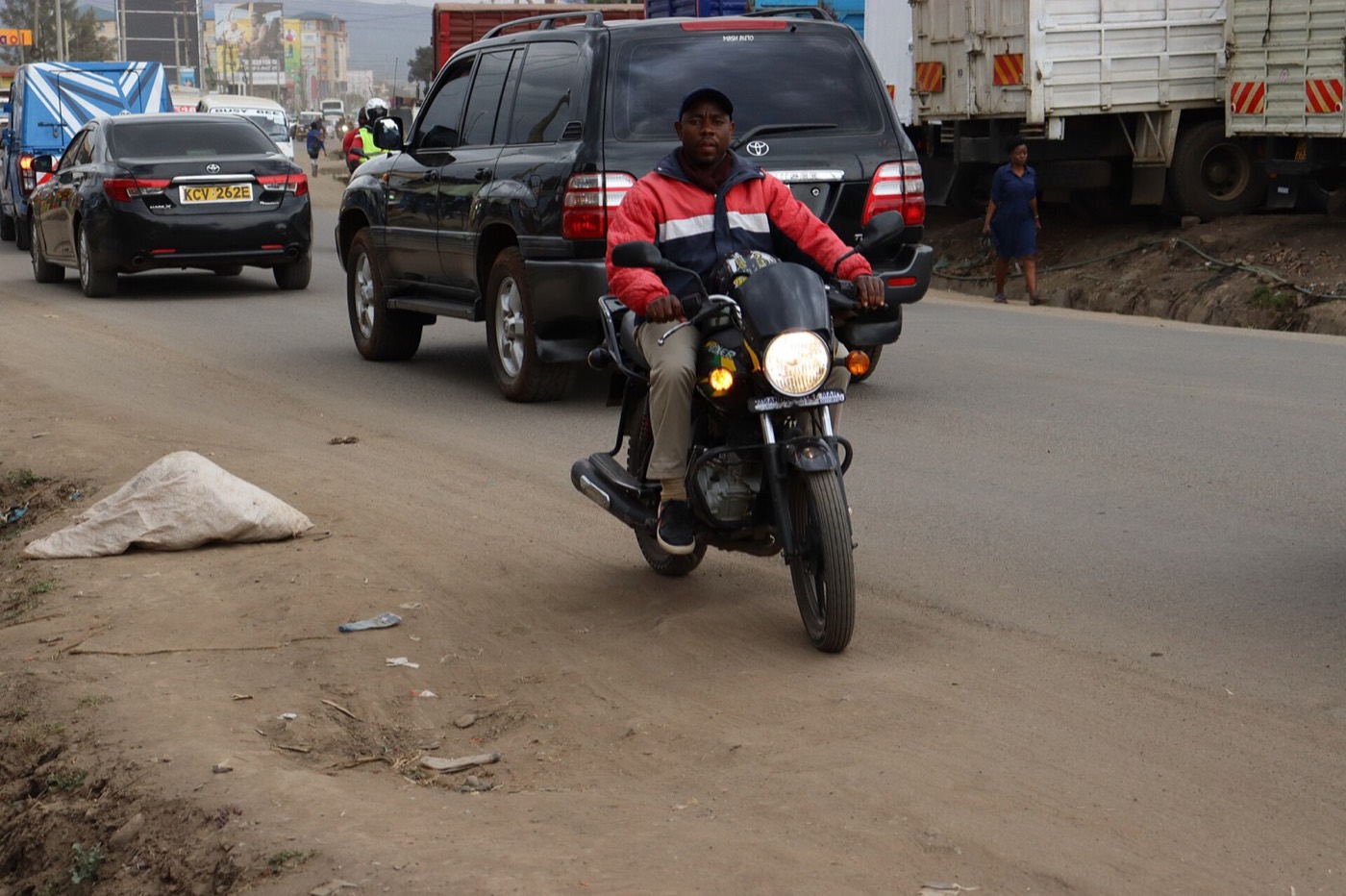
Every Kenyan campaign runs on WhatsApp, and it should. It is free, everybody has it, it works on any phone, and messages get read.
The problem is not WhatsApp. The problem is what campaigns ask it to do.
The five questions a group chat cannot answer
Try asking a WhatsApp group any of these on a Tuesday morning:
1. How many households have we visited in Ward 12 this month?
2. Which of our volunteers has not been given a task in the last fortnight?
3. Which polling streams still have no agent?
4. What have we spent on transport in this constituency, and who approved it?
5. Which of the complaints we logged in June are still open?
Every one of those is a question a campaign manager needs answered weekly. Not one of them can be answered by scrolling.
Why groups degrade, predictably
It is not a discipline failure. It is what group chats do.
Volume buries signal. A ward group with 60 members produces hundreds of messages a week, of which perhaps five are operationally important. The five are gone by Thursday.
Nothing is queryable. Information exists only in sequence. There is no "show me all the complaints about water", only scrolling.
State is invisible. A task assigned in a message has no status. Somebody said they would do it. Did they? The chat does not know.
Membership drifts. People are added, people leave, phones change. The group is not a roster, and treating it as one is how campaigns end up unable to say who is actually with them.
Nothing survives the phone. A coordinator's device is lost or wiped and the entire record of a ward's work goes with it.
We wrote about the specific version of this failure in the volunteer piece.
The right division of labour
Keep WhatsApp. Use it for what it is good at.
WhatsApp: announcements, coordination in the moment, morale, the conversation. Genuinely irreplaceable for all of it.
A system of record: who your people are, what they were asked to do, whether they did it, which households have been visited, which complaints are open, which streams have agents, what has been spent and on what.
The second list is not communication. It is state, and state needs somewhere to live that is not a scroll.
The objection, and the honest answer
The objection every time is: our coordinators have cheap phones and no data, and they will not install an app.
That is correct, and it is why the answer has to run in the phone's browser with no installation, work on a Sh4,000 Android, and cost almost nothing in data.
That is a design constraint, not a nice-to-have, and it is the constraint BallotWinners was built against. A ward coordinator opens a link, records a household visit in fifteen seconds, and gets on with their day. Nothing to install, nothing to remember, nothing to lose when the phone breaks.
What changes when the state moves
The Monday review stops being a conversation about impressions and becomes a comparison of wards. The campaign manager can see which ten wards are behind on doors and which streams have no agent, in a minute, rather than believing whoever reports most enthusiastically.
That is not a technology story. It is the difference between a campaign that knows what is happening and one that finds out on 10 August 2027.
What to move first
Do not attempt to move everything. Move the things that are state, in this order, and leave the conversation where it is.
1. The people. Who your coordinators, volunteers and agents are, with ward and phone number. Until this exists as a list rather than as group membership, nothing else can be built.
2. Polling stream coverage. Every stream in your area and the named agent against it, with the empty ones visible. This is the highest-consequence, lowest-effort item on the list.
3. Household visits. Captured at the door, by the person at the door. This is the one that changes what a campaign knows about itself.
4. Money. Every cost against a ward, an event or a coordinator, with a receipt.
5. Complaints. Logged with a photo and a location, and closed out.
Each of those five is a question you currently cannot answer. Each is a week of habit-building, not a project.
Keep the groups
Genuinely. Announcements, coordination, morale and the actual relationships live there, and no system replaces them. What changes is that the group stops being asked to remember things, which is the one job it has never been able to do.
Frequently Asked Questions
Should Kenyan campaigns stop using WhatsApp?
No. WhatsApp is the right tool for announcements, in-the-moment coordination and morale. It is the wrong tool for records — who was asked to do what, which households were visited, which streams have agents, and what has been spent.
Why do campaign WhatsApp groups stop working?
Volume buries operationally important messages, information cannot be queried, assigned tasks carry no status, group membership drifts away from the real roster, and the whole record can be lost with a single phone.
What do campaign coordinators need from a campaign system?
It has to run in the phone browser with no app to install, work on a cheap Android, and use almost no data, because that is the device most Kenyan ward coordinators actually have.