122 Yes, 40 No, 187 Absent: How Kenya Passed the Finance Bill 2026
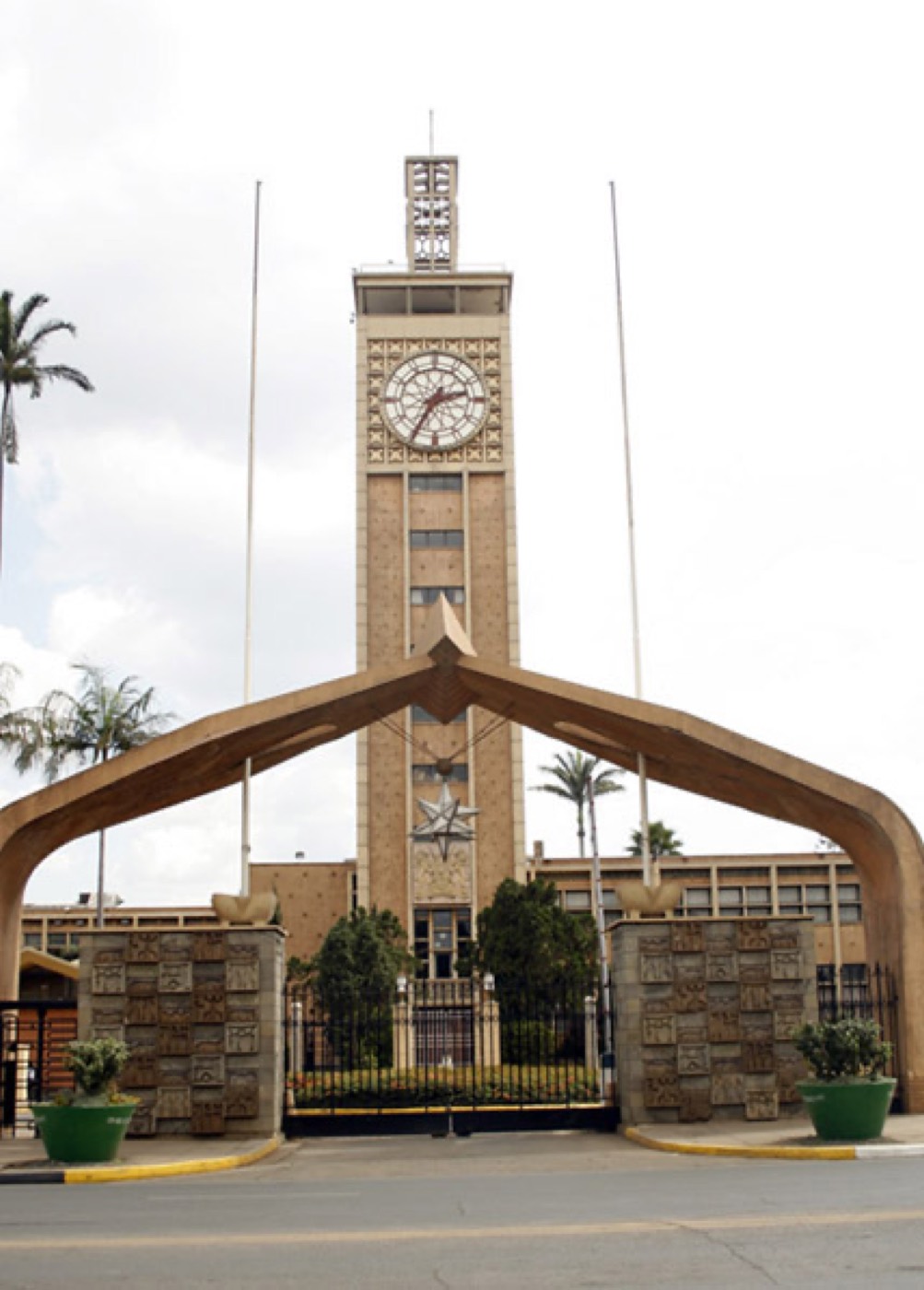
Kenya's National Assembly has passed the Finance Bill 2026, with amendments, and sent it to the President for assent.
The numbers: 122 voted in favour, 40 against. The National Assembly has 349 members. Only 162 turned up.
187 MPs were not there.
Why absence is a strategy, not an accident
On the most politically dangerous vote of the parliamentary year, a majority of Kenya's MPs chose not to be recorded.
That is not laziness and it is not a coincidence. It is the rational individual response to a vote where both options carry a cost.
Vote yes and your constituents see you approving new taxes in a cost-of-living crisis. Vote no and the party leadership notes it, and party leadership controls nominations for 2027.
Absence resolves the dilemma. There is no record, and both audiences can be told what they want to hear.
What was actually passed
The bill went through after amendments responding to public participation. Several contested proposals were dropped or revised and reliefs on selected essential goods were retained. After the removal of provisions MPs described as punitive, it is expected to raise around Sh98.5 billion in additional revenue toward a Sh4.82 trillion budget for 2026/27.
Opposition leaders, including former Deputy President Rigathi Gachagua, had pressed MPs to reject it, with Gachagua urging MPs allied to his Democracy for Citizens Party to vote against.
The accountability problem this exposes
Kenya has no effective mechanism to make an MP's voting record matter.
Attendance and votes are recorded. Almost nobody reads them. Constituents generally do not know how their MP voted on anything, and by the next election the specific votes have been replaced in the conversation by resources, funerals and ethnicity.
That is a democratic failure and it is also, for a challenger, an opportunity that is almost never taken.
What a challenger should do with this
Something very simple and very effective: find out how the sitting MP voted and tell people.
Not as an accusation. As a fact, with a date.
"On the Finance Bill 2026, your MP was not in the chamber" is a statement that requires no interpretation, cannot be denied, and lands differently from any general claim about representation. It is checkable, and its checkability is what gives it force.
Then, crucially, record which households you have told. A fact delivered at a door in June 2026 is worth something in August 2027 only if the campaign knows which doors heard it and can return to them.
That is the entire logic of household-level canvassing records, and it is why a campaign that logs what was said at each door has a compounding asset while one that runs on rallies starts from zero every time.
For voters
Parliamentary attendance and division records are public. Your MP has a name in that record or an absence.
A representative who was not present for the most consequential vote of the year owes an explanation, and the fact that nobody usually asks for one is precisely why they are usually not present.
What happens next to the bill
After the third reading the bill goes to the President for assent. Once assented, its provisions take effect according to the commencement dates in the Act itself — some immediately, some at the start of the financial year.
From that point the argument moves to two places: the courts, where finance legislation in Kenya is routinely challenged on process and on constitutionality, and the doorstep, where it will be litigated for the next fourteen months by everybody running for anything.
The quorum question nobody raises
With 162 of 349 members participating, the National Assembly was operating close to the margins of what a representative vote means, even where it met the technical requirements.
Kenya has no mechanism that makes attendance consequential. There is no recall in practice, no party sanction for absence, and no ballot-paper disclosure of a member's record.
The only available sanction is a challenger who tells constituents what the record shows — which requires a challenger who has read it, and a campaign organised enough to know which households have been told.
Related: what the Finance Bill contains.
Frequently Asked Questions
How did Kenya's National Assembly vote on the Finance Bill 2026?
122 MPs voted in favour and 40 against, out of a National Assembly of 349 members. Only 162 members took part in the vote, meaning 187 were absent.
How much revenue will Kenya's Finance Bill 2026 raise?
After amendments removing provisions MPs described as punitive, it is expected to raise about Sh98.5 billion in additional revenue toward a Sh4.82 trillion budget for the 2026/27 financial year.
Why do Kenyan MPs skip controversial votes?
Because both options carry a cost: voting for new taxes is unpopular with constituents, while voting against them is noted by party leaderships that control 2027 nominations. Absence leaves no record for either audience.