2.6 Million New Voters Registered. Gen Z Is Still Missing.
Here are two facts that sit awkwardly together.
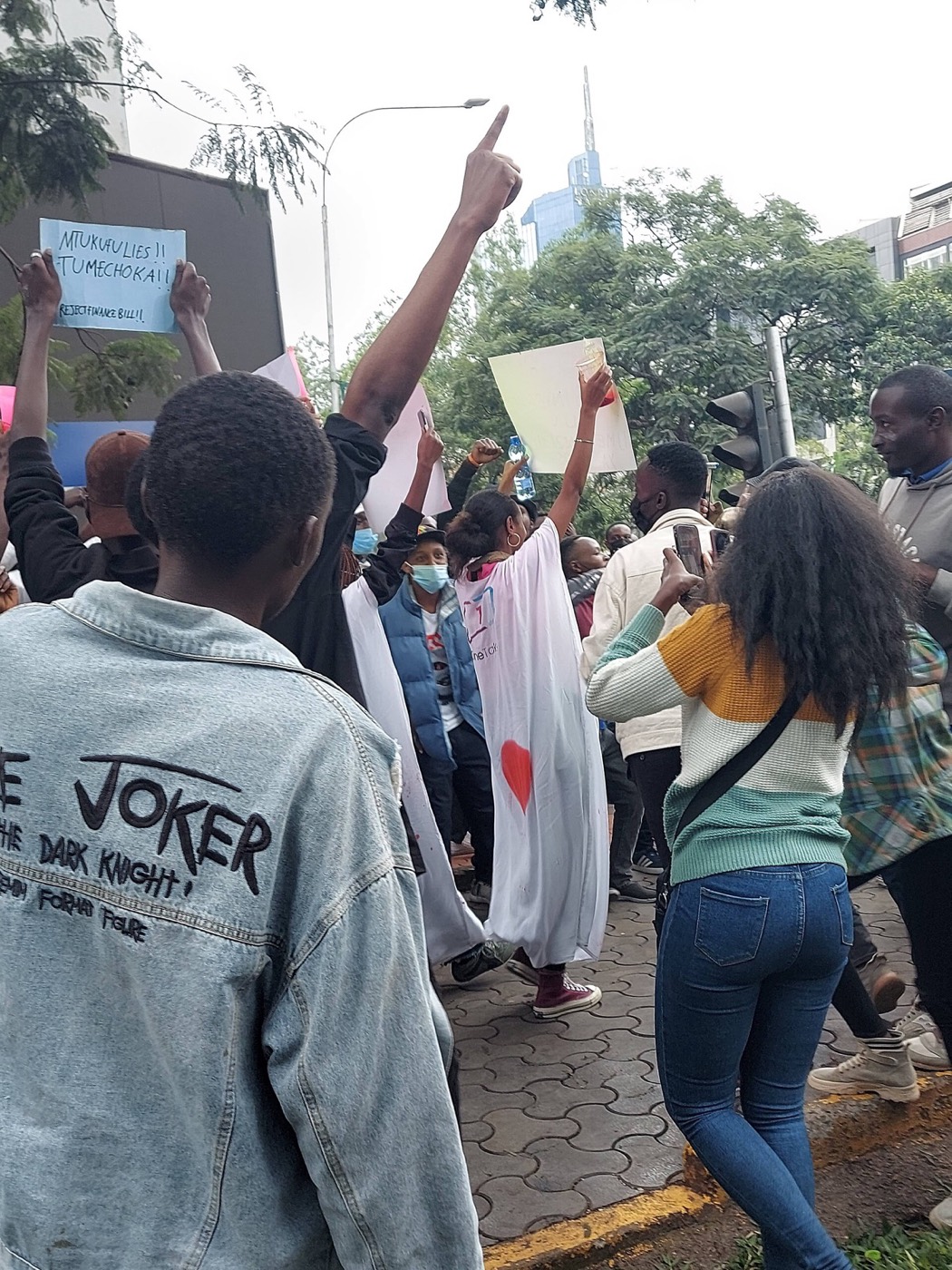
In June 2024, a generation of young Kenyans who described themselves as leaderless, partyless and tribeless shut down central Nairobi and forced the withdrawal of a finance bill. Two years later, marchers returned to the streets on the anniversary while parliament sat behind heavy security.
And in the IEBC's registration figures reported through 2026, voters aged over 35 made up 67.35 per cent of new registrations. Eighteen to twenty-year-olds were the worst-performing group in the country.
The generation that proved it could act politically is the one least likely to be on the register.
Why "apathy" is the wrong word
Apathy means not caring. That is demonstrably not what is happening.
What Kenyan researchers and young Kenyans themselves describe is something more specific: a rational conclusion, drawn from evidence, that voting has not changed outcomes. One framing that recurs is emotional fatigue — a cycle of hope and disappointment repeated often enough that people withdraw.
That is not a communication failure that a better poster fixes. It is an argument, and the political class has not answered it.
The other explanation nobody likes
Turnout has fallen consistently: about 86 per cent in 2013, 78 per cent in 2017, 64.77 per cent in 2022. In 2022, young people aged 18 to 35 were about 39.84 per cent of registered voters — roughly 8.8 million people — and among the least likely to turn out.
A decline that steady across three cycles is not a mood. It is a trend with a cause.
What Niko Kadi got right
The Niko Kadi initiative produced a measurable surge in Gen Z registration where official messaging had not. It is worth being precise about why, because the lesson is copyable.
It was a challenge, not an instruction. "Niko kadi" — I have the card — is a status claim you make to your friends. Civic-duty messaging asks you to obey; a challenge asks you to participate.
It was peer-distributed. It moved through the networks young Kenyans actually use, carried by people they actually know, rather than broadcast at them by an institution they do not trust.
It had a visible artefact. The card. Something to show.
It made no promise about outcomes. It did not claim voting would fix the country. It claimed the card was worth having. Given the fatigue described above, not over-promising is a feature.
What campaigns keep doing instead
Bulk SMS. Rally announcements. A "Join Us" form on a website that collects a phone number and then contacts it once, three months later, to announce a rally.
This is the pattern we have written about repeatedly: campaigns collect supporter data and never use it. It is worse with young supporters, because a 22-year-old who signs up and hears nothing has had their entire prior belief about politics confirmed.
What would actually work
Ask for something small and specific, immediately. Not "join the movement". "Bring three friends to the registration centre at Kariobangi on Saturday morning and send me their names."
Reply personally within 48 hours. A named person, not a shortcode. This is the single highest-leverage thing a Kenyan campaign can do with young supporters and almost nobody does it, because it requires knowing who signed up, when, and whether anybody has contacted them.
Give them work that uses what they have. Young supporters have phones, time and networks. Registration drives, canvassing, data capture, agent recruitment. Not chairs at a rally.
Show them the number. How many people has this ward registered? Which volunteer registered the most? Gen Z organising is competitive and transparent; opaque and hierarchical is precisely the thing being rejected.
Every one of those four requires a campaign to know who its supporters are, what they were asked to do, and whether they did it. That is not a motivational problem. It is a records problem, and it is the one BallotWinners was built to solve — every supporter recorded, every task assigned to a name, every registration counted to the person who did it.
The generation is not missing. It is unconvinced, and it is being asked badly.
Related: the 28.5 million target.
Frequently Asked Questions
Why are young Kenyans not registering to vote?
Research and young Kenyans themselves describe a rational disillusionment rather than apathy — a repeated cycle of hope and disappointment that has produced withdrawal, alongside falling national turnout from about 86 per cent in 2013 to 64.77 per cent in 2022.
What was the Niko Kadi campaign?
A youth-led voter registration initiative framed as a peer challenge — 'I have the card' — which produced a measurable surge in Gen Z registration where institutional civic-duty messaging had not.
How many young voters does Kenya have?
In 2022, voters aged 18 to 35 were about 39.84 per cent of the register, roughly 8.8 million people, and were among the least likely groups to turn out on election day.