Campaign Training People Remember When They Reach the Door
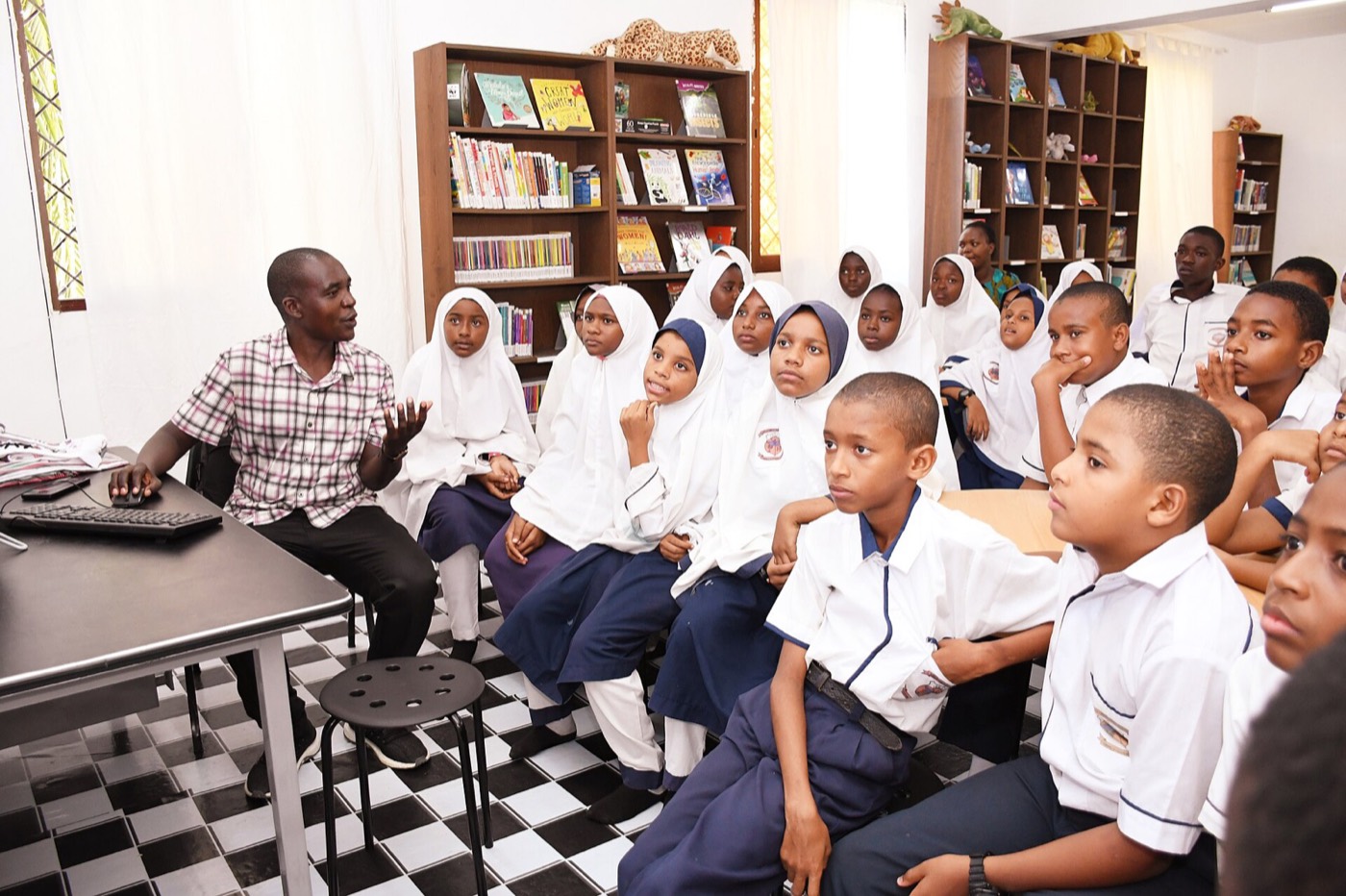
Training fails in Kenyan campaigns for a reason that has nothing to do with the volunteers. It fails because the training is a lecture, and a lecture is the worst available way to teach somebody to do a thing.
Four hours in a hall. A projector that will not focus. Somebody reading the party's history, then the manifesto, then a slide about the importance of unity. Lunch. Everybody goes home. On Tuesday not one person can remember what to say when a woman opens her door and asks why she should care.
Train for one task, not for the campaign
A training session should teach exactly one job to the people who will do that job this month.
Household visits are one session. Agent duties are a separate session for different people at a different time. Voter registration drives are a third. Data recording is not a session at all, because it belongs inside the other three.
The moment a session covers three roles, two thirds of the room is listening to something they will never use, and everybody's attention goes together.
Ninety minutes, and most of it out loud
Cut it to ninety minutes and hold it in the ward, not at headquarters. Transport money and a lost Saturday are real costs to a volunteer, and a session that costs them both had better be worth it.
Structure that works: fifteen minutes on what we are doing and why, twenty on the actual method, forty on practice, and fifteen on questions.
The forty minutes of practice is the session. Everything else is preamble.
Practise the awkward parts out loud, in pairs
People do not freeze at the door because they lack information. They freeze because they have never said the words before.
So make them say the words. In pairs, one plays the resident, one knocks. Then swap. Run it through the situations that actually happen in a Kenyan ward.
The door opens and it is a person who supports your opponent openly. The person says every politician is the same and they will not vote. The person asks for money, directly. The person asks what the candidate will do about the water, and the volunteer does not know. The person is friendly, agrees with everything, and the volunteer has to end the conversation and move on, because twenty houses in a morning means eight minutes each.
That last one is the scenario nobody trains and everybody needs. A warm conversation that runs forty minutes feels like success and costs you the rest of the street.
Also practise the honest answer to a question you cannot answer, which is: I do not know, I will find out, and I will come back on Saturday with the answer. Then train the follow-up, because a volunteer who says that and does not return has done more damage than one who never knocked. Related: door-to-door at scale.
The one card they carry, and what is on it
Every volunteer leaves with one page. Not a folder, not a manifesto, not a branded notebook that stays at home.
On it: three sentences about the candidate that a volunteer can say without reading. The three issues this ward actually raises, with the campaign's position on each in one line. What to say when asked for money, which is a single sentence and must be the same sentence for everybody. The coordinator's phone number. And how to record a visit, in the exact steps, on the phone they already own.
One page, because it has to fit in a pocket and survive rain.
How to tell whether the training worked
Not by a feedback form and not by the mood in the room.
Count how many people who attended completed a task within seven days. That single number tells you more than any evaluation, and if it is low the problem is usually not the training at all. It is that nobody was given anything to do when they got home, which is a failure of the forty-eight hours rather than of the session. Related: the first forty-eight hours.
Then retrain the second time on what went wrong in the field, using real situations your own volunteers hit last month. A second session built out of your ward's actual doorsteps is worth five built out of a template.
What to do before your next session
Take whatever training material you have and cut everything that is not one of three things: what to say, what to do, and how to record it.
Then find the ward with the most new volunteers, book ninety minutes there this month, and put forty of those minutes into people talking to each other in pairs. There are enough months left before 10 August 2027 to run that session in every ward twice. There will not be by the middle of 2027.
Frequently Asked Questions
How long should campaign volunteer training be?
About ninety minutes, held in the ward rather than at headquarters, covering one job only. Roughly forty of those minutes should be volunteers practising out loud in pairs, because that is the part that changes what happens at a real door.
What should campaign volunteers practise in training?
The awkward conversations. A supporter of the opponent, somebody who says all politicians are the same, somebody who asks for money, a question the volunteer cannot answer, and a friendly conversation that has to be ended politely so the rest of the street gets visited.
How do you know if campaign training worked?
Count how many attendees completed a real task within seven days of the session. Feedback forms and the mood in the room tell you nothing. If the number is low, the usual cause is that nobody was given work to do when they got home.