Count Your Streams First. Your Agent Number Follows From It.
One agent per polling station is the wrong number, and it is the number most Kenyan campaigns budget for.
The unit that matters is the stream. A large polling station is split into streams so voters are not queuing behind two thousand people, and each stream runs its own identification, its own ballot boxes, its own count and its own set of result forms. An agent standing in the corridor of a station with four streams is watching one of them and guessing about the rest.
So the first piece of work in your agent operation is not recruitment. It is counting.
Where the stream list comes from
The IEBC publishes the polling station list, and it is the only source you should build from. A ward coordinator's memory is not a list. A forwarded message from the last cycle is not a list.
Get the current one for your area and write it out in a single place: station name, station code, the ward and constituency it sits in, and the number of streams. If stream counts are not yet published for your area, record registered voters per station and note that the stream count follows from it. Update the sheet the moment a final list is issued.
That sheet is the spine of everything else. Nothing in your election day plan can be costed, staffed or checked until it exists.
The arithmetic, in the order you should do it
Work outward from streams.
Streams times one. One trained agent per stream is the floor. That is what people mean by full coverage, and on its own it is not enough.
Add relief. Voting runs from before dawn into the evening, and only then does the count begin. The count is the part of the day that decides your result, and it starts when your agent has already been on their feet for fifteen hours. Some campaigns answer this with a second agent per stream on a shift. Others use a mobile reliever covering three or four streams in one building. Both cost money. Choosing neither costs you the count.
Add a reserve. People fall ill, travel, lose documents and change their minds. A reserve of roughly one name in seven, trained rather than merely listed, is the difference between a gap you close by phone at six in the morning and a stream nobody ever covered.
Add the supervision layer. Ward agents and a chief agent are not overhead. They are the people who notice at nine in the morning that two streams have never reported, and who physically reach them.
Your seat decides the geography
The stream is the unit for everybody. How many of them you are responsible for depends entirely on what you are running for.
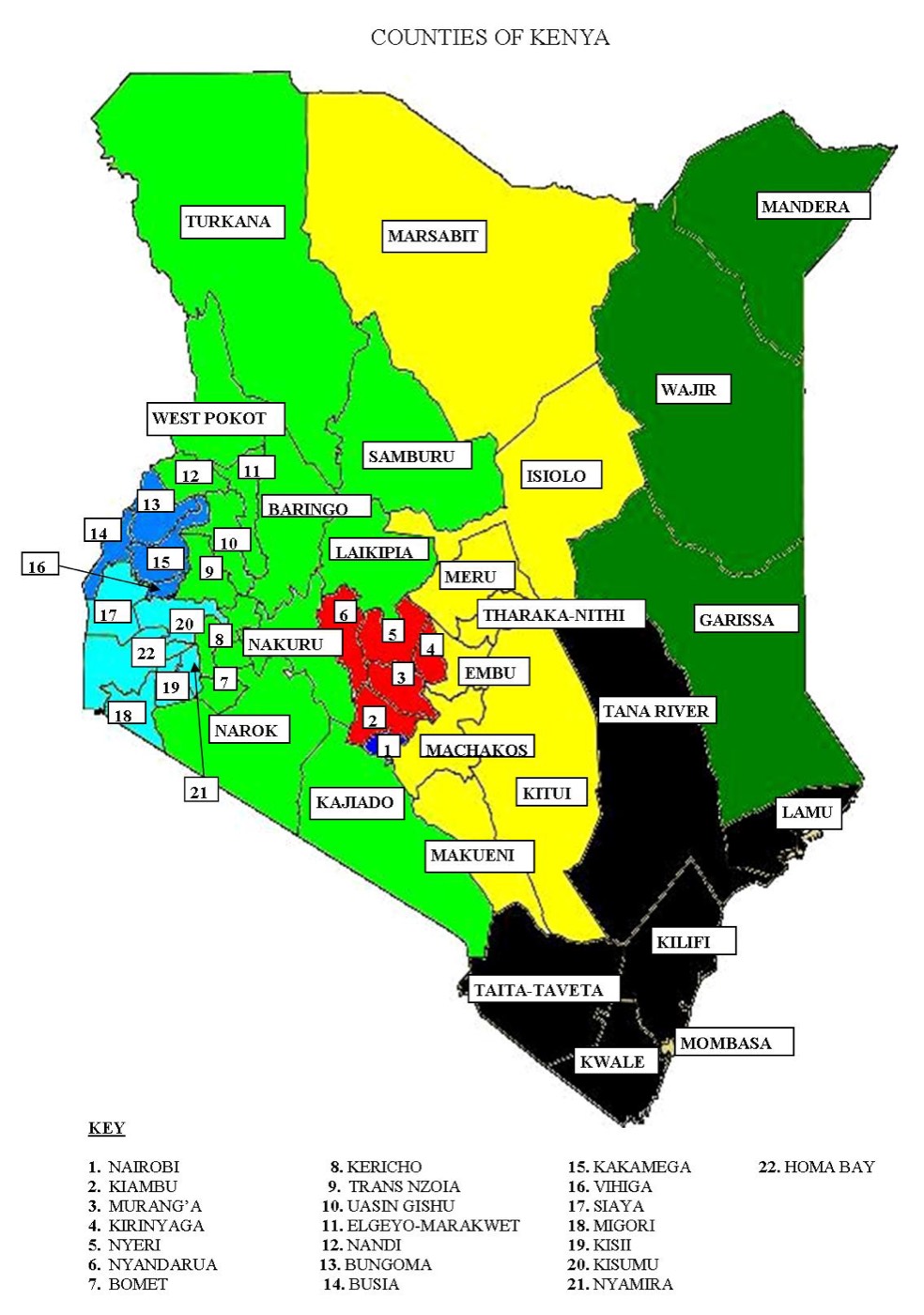
An MCA candidate covers the streams inside one ward, and Kenya has 1,450 of them. An MP covers every stream in one constituency, and there are 290. A governor, a senator and a woman representative each cover an entire county, which means every constituency and every ward inside it, across all 47.
That is not a difference of degree. A ward campaign can hold its whole coverage picture on one page. A county campaign cannot, and needs a structure that rolls the ward numbers up without anybody retyping them.
A party fielding candidates for several of the six offices should also decide early whether its agents are shared or separate, because one agent sitting in a stream can lawfully observe all six counts for the candidates who appointed them. Sharing is cheaper. It also means one absence costs you six results rather than one.
The number you report every week is the gap, not the total
Recruited totals flatter you. Eighty-four agents can mean eighty-four streams covered, or it can mean four streams with three agents each and eleven with none, because enthusiastic areas volunteer and quiet ones do not.
Report the uncovered streams instead. Every week, by ward, in front of the person who can fix it. This is the same discipline set out in the coverage test, and it is the only figure that tells you the truth about 10 August 2027.
Do this before you talk to a single recruit
Build the sheet. Station, code, ward, constituency, streams, agent name, phone, ID, confirmed yes or no.
Then total it, add your relief and reserve, and you have a target number and a budget line that are defensible rather than guessed. Take that number into attendance-led recruitment, which is the next problem and a harder one.
Doing this in 2026 takes an afternoon. Doing it in the last week before the poll is how campaigns discover, at nine at night, that a school on the edge of the ward has three streams and nobody in any of them.
Frequently Asked Questions
Do you need one polling agent per station or per stream?
Per stream. A station is split into streams, and each stream has its own queue, its own ballot boxes, its own count and its own result forms. An agent can only witness the stream they are standing in, so a campaign that recruited one agent per station in a dense ward has covered a fraction of its counts.
How many wards and constituencies does a Kenyan campaign have to cover?
It depends on the seat. An MCA candidate covers the streams in one of Kenya's 1,450 wards, an MP covers one of 290 constituencies, and a governor, senator or woman representative covers an entire county out of 47. The stream remains the unit of coverage in every case.
How much reserve should be built into an agent plan?
Around one name in seven above full stream coverage, trained rather than simply listed. Attrition between recruitment and polling day is certain, and a reserve that has never been trained is not a reserve, it is a phone number.