Counties Wanted Sh454 Billion. The National Assembly Offered Sh420 Billion.
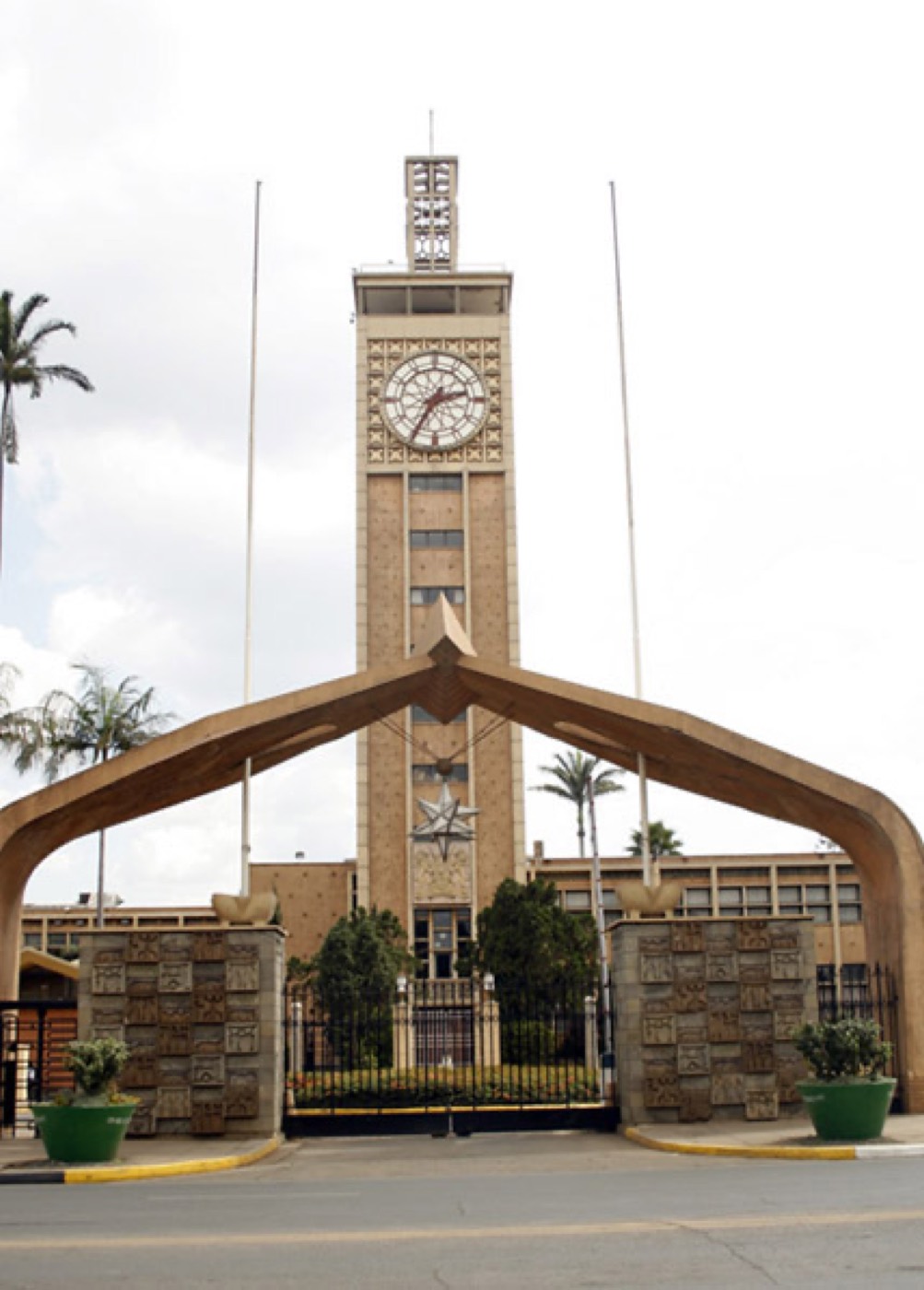
Every year Kenya has the same argument, and every year it is reported as a procedural disagreement between two chambers when it is actually the most consequential financial decision in the country.
The Division of Revenue Bill decides how nationally raised revenue is split between the national government and the 47 counties. For 2026/27 the Senate's Finance and Budget Committee proposed an equitable share of about Sh454.74 billion for counties — roughly 22.2 per cent of audited revenues from 2022/23 — against about Sh420 billion proposed by the National Assembly.
Under the Senate's framework the national government would retain around Sh2.437 trillion of a total shareable revenue of about Sh2.902 trillion, with about Sh10.25 billion going to the Equalisation Fund.
The other fight, which matters more
Buried in the Senate's proposals is an amendment that would require the national government to bear any revenue shortfall during the financial year — meaning county allocations would not be cut if national collections come in below projection.
That is not a technicality. Under the current arrangement, a county budgets for a figure, plans on it, hires against it, and then absorbs a share of the gap when the Treasury misses its targets. Which happens.
Senators argue the higher allocation is necessary to sustain devolved functions against rising operating costs. The National Assembly's position is the one every finance ministry in the world takes.
Why this reaches your ward
Because the money that eventually pays for a dispensary, a water project or a ward bursary passes through this split first.
A ward's development allocation is downstream of a county budget, which is downstream of the equitable share, which is decided in this argument. When an MCA tells a public participation meeting there is no money for the road, the chain of reasons ends here.
That is worth knowing for two reasons.
As a voter, it tells you which complaints are your MCA's fault and which are not. Not all of them are.
As a candidate, it tells you what you can honestly promise. An aspirant promising ward projects on the assumption of a county budget that is decided in Nairobi is promising something they do not control, and voters have been watching that promise fail for a decade.
What a serious ward campaign does instead
Promises less and documents more.
The candidates who build durable local support do not run on a list of projects. They run on a list of specific problems they have recorded and pursued — a broken culvert, a stalled classroom, a water point that has been dry since March — with dates and outcomes attached.
That is a record rather than a manifesto, and it survives a bad budget year because it never depended on a good one.
Doing it requires logging every complaint your team hears in the field, with a photo and a location, and tracking which ones are still open. Which is ordinary work, and which is what BallotWinners records for a ward campaign running from a phone.
What to watch next
Whether the two chambers converge, and at what number. The final figure sets the ceiling on every county budget in the country for the year, and every ward allocation inside those budgets.
Related: what an MCA actually does.
Why the gap is bigger than Sh34 billion
A Sh34 billion difference across 47 counties averages a bit over Sh700 million each, which sounds survivable until you look at what county budgets are made of.
The large majority of a Kenyan county budget is recurrent — salaries for health workers, teachers in early childhood centres, county staff — and those costs do not fall when the allocation does. So a shortfall does not shave a little off everything. It lands almost entirely on the development budget, which is the part voters can see.
That is the mechanism by which a disagreement between two chambers in Nairobi becomes a stalled dispensary in a ward, and it is why county officials treat this argument as existential while the public treats it as procedural.
The shortfall clause matters more than the headline number
If the Senate's proposal that the national government absorb any revenue shortfall survives, counties get something they have never had: a figure they can actually plan against. If it does not, the allocation is a projection and the counties carry the forecasting risk of a collection target they have no control over.
Frequently Asked Questions
What is Kenya's Division of Revenue Bill?
The annual bill that determines how nationally raised revenue is divided between the national government and the 47 county governments. It sets the equitable share counties receive before county-level allocations are made.
How much did counties get in the 2026/27 revenue debate?
The Senate's Finance and Budget Committee proposed an equitable share of about Sh454.74 billion for counties, roughly 22.2 per cent of audited 2022/23 revenues, against about Sh420 billion proposed by the National Assembly.
Why does the revenue split matter to a ward?
Ward development allocations come out of county budgets, which are funded from the equitable share decided in this split. It determines the ceiling on what any MCA can realistically deliver.