How to Feed and Pay Your Polling Day Team Without Chaos
Nothing damages a campaign's relationship with its own people faster than a payment that goes wrong at the end of a fifteen-hour day.
The pattern repeats in every cycle. A crowd at the office late at night, a list nobody can agree on, people who were never assigned a stream insisting they worked, and an exhausted agent who watched a count until midnight waiting behind them. That agent is the person you most need to volunteer again, and this is how campaigns lose them.
Almost all of it is avoidable, and almost all of the fix happens months earlier.
Agree the terms in writing, long before August
Every person working for you on 10 August 2027 should know four things well in advance: what they will receive, what for, when it arrives, and how.
Write it on the appointment letter or on a single sheet given with it. An amount settled months in advance is a fact. An amount discussed on the night is a negotiation, and a negotiation with a tired person who is holding your results form is a negotiation you lose.
Say plainly what the payment is for. It is a facilitation for a full day of duty, including the count, and it is paid to named members of your team against an assignment. That framing matters because it is the truthful one, and because it keeps a legitimate operational cost clearly separate from anything that could be characterised as an inducement to a voter.
Pay by name, by phone, and from the campaign account
Cash handed out in a crowd is where the chaos lives. It cannot be reconciled, it cannot be evidenced, and it attracts people who did no work.
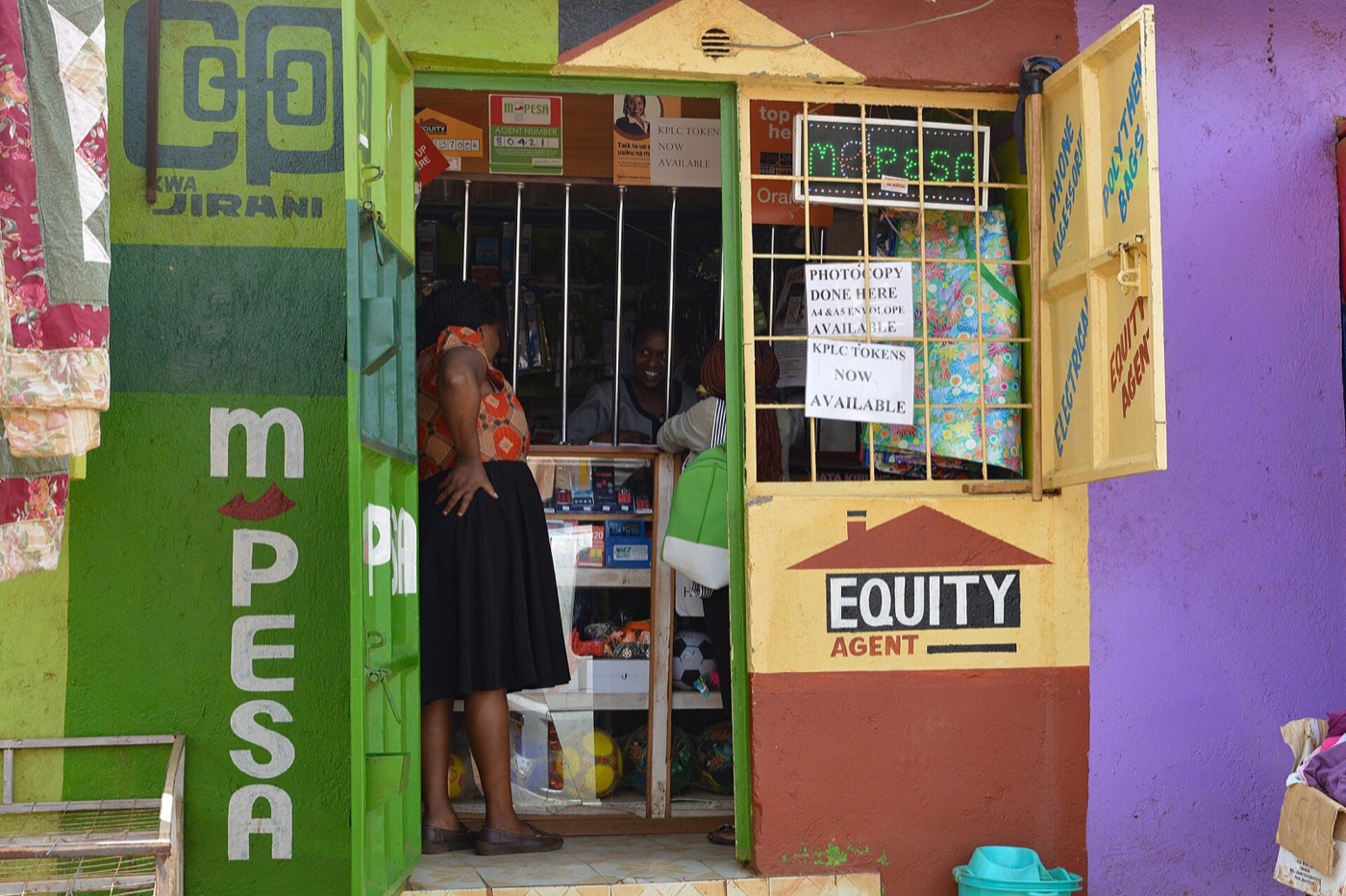
Mobile money against a list solves most of it. You pay a name and a number that were recorded weeks earlier, the transaction leaves a record on both sides, and nobody has to be physically present to be paid. The queue at your office disappears, and with it the argument.
Run everything through the campaign account so that the money you spent has a trail from the account to the person. Your expense return after the election is built from exactly this, and reconstructing it from memory in September is not a project you want.
Related: building a budget that survives scrutiny.
The split that gets your forms back
Pay part before, and the balance on delivery.
A portion in advance is practical. Your agents need to eat and travel, and people who are out of pocket all day make worse decisions in the afternoon.
The balance is paid on delivery of the signed copy of the results form for their stream. Not on turning up, not on a phone call, on the document. That single condition does more to guarantee your evidence chain than any instruction at a briefing, because it puts your incentive and the agent's incentive on the same side.
Say it clearly and say it early. Nobody feels tricked by a rule they were told about a year before they were asked to work to it.
Related: what the agent is actually doing during that count.
Feeding people who cannot leave a room
An agent inside a polling station is not free to wander off and find lunch, and a station is not a place where food arrives on its own.
You have two workable options and one that always fails.
A packed ration issued at the morning briefing. Simple, cheap per head, and it does not depend on anything going right later in the day. It has to be food that survives a hot afternoon in a bag.
A ward-level delivery run at a set hour, by somebody whose only job that day is the food round. It is better food and it needs a named person and a vehicle that is not doing anything else.
Reimbursing people for buying their own lunch is the one that fails. It creates receipts you will chase for weeks and it leaves agents to solve a problem they cannot solve from inside a station.
Whichever you choose, plan a second round for the evening. The count is the longest and least comfortable part of the day, and it is the part where you most need people alert.
What actually drives this cost
Four things, and you control three of them.
The number of streams you are covering, which comes from your stream list. The number of people per stream, which should be one agent and one relief. Whether food is centrally packed or delivered. And whether you pay in one late scramble or on a schedule set in advance, because scrambles cost more every single time.
Nobody can give you a shilling figure that will still be right in 2027. What you can do now is build the sheet that turns those four inputs into your own number.
The one sheet to build this month
One row per person: name, ID number, ward, station, stream, phone number for payment, advance paid, balance due, form received.
That sheet is your payroll, your evidence list, your reconciliation and your volunteer record for the next campaign. Start it in 2026 with the agents you have already recruited, and add to it as you go.
Frequently Asked Questions
How should a Kenyan campaign pay its polling agents?
By mobile money, against a list of names and numbers recorded weeks in advance, and from the campaign account rather than from cash. That removes the late-night crowd at the office, leaves a record on both sides of every payment, and gives you the trail your expense return will need after the election.
Should agents be paid before or after polling day?
Split it. A portion in advance so people can eat and travel, and the balance on delivery of the signed copy of the results form for their stream. Tying the balance to the document puts your interest and the agent's interest on the same side, and it does more for your evidence chain than any briefing.
How do you feed agents who are inside a polling station all day?
Either issue a packed ration at the morning briefing or run a ward-level delivery at a set hour with somebody whose only job that day is the food round. Reimbursing people for buying their own lunch fails, because an agent cannot leave the stream and you will chase the receipts for weeks. Plan a second round for the evening, since the count is the longest part of the day.