How to Find Out How Your MP Voted on Anything
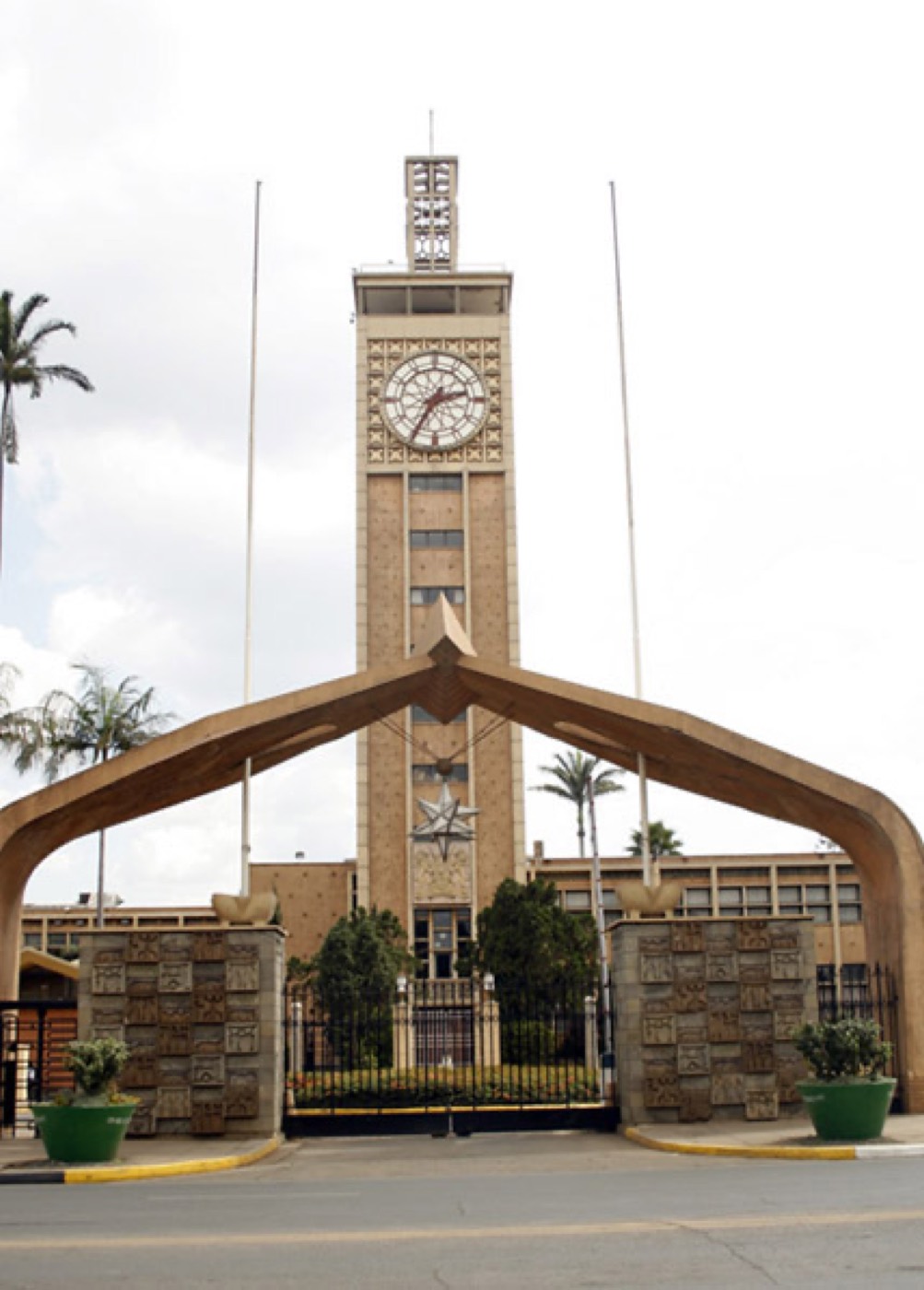
Kenya publishes what happens in Parliament. Debates, order papers, committee reports, and — when they happen — divisions.
Almost nobody outside Nairobi has ever looked at any of it, which is the single largest reason Kenyan MPs are not held to their records.
Here is how to do it.
Step one: know what you are looking for
Hansard is the verbatim record of debate. It tells you what was said and by whom, on what date.
The Order Paper is the day's agenda. It tells you what was scheduled.
A division is a recorded vote with individual names. This is the thing people mean when they ask how their MP voted.
Votes and Proceedings is the formal minute of what the House decided.
Step two: understand why most votes have no names
This is the part that surprises people.
Most Kenyan parliamentary decisions are taken by acclamation — the Speaker puts the question, members say aye or nay, and the Speaker declares which side has it. No names are recorded.
A division with individual names happens only when it is demanded and the demand is properly supported.
That is precisely what happened with the Finance Bill 2024: members opposed to the bill disputed the outcome of an acclamation vote, a roll-call division followed, and that is the only reason there is a list of 204 and 115 at all.
So when somebody asks "how did my MP vote on X", the honest first answer is often: there is no record, because nobody demanded one.
Step three: where to look
The Parliament of Kenya website publishes Hansard and House documents. Search by date — you need the date of the sitting, which you can get from news coverage of the debate.
For high-profile votes, Kenyan media publish division lists on the day, which is where most circulating lists originate. Treat those as reporting rather than as the official record: the published Finance Bill 2024 lists were incomplete on both sides.
Step four: ask the question that actually works
Do not ask "did you support it". Every MP has a comfortable answer.
Ask: "Were you in the chamber for the vote on [named bill] on [date]?"
Attendance is binary, checkable and much harder to talk around than a position. And it is the live issue: Kenya's Finance Bill 2026 passed with 187 of 349 members absent.
Why campaigns should build this into canvassing
Because it is the highest-value, lowest-cost campaign material available to a parliamentary challenger in Kenya, and it is almost never used.
Three sentences at a door — the bill, the date, whether the incumbent was there — do more than any amount of general criticism, because they cannot be denied and they require no interpretation.
The reason challengers do not use it is not ignorance. It is that delivering it consistently across a constituency, and knowing which households have heard it, requires a canvassing operation with records. Most do not have one.
That is exactly what BallotWinners is for: a coordinator per ward, every household visit recorded with what was said, so a fact delivered in July 2026 is a fact you can build on in July 2027 rather than repeat at random.
What the record will never show
Committee work, constituency work, and the quiet pressure that changes a bill before it reaches a vote. A member who never speaks in the chamber may be effective in a committee.
That is a fair defence and it is a checkable one: committee reports are published too.
Three things worth checking beyond votes
Committee membership. Published, and it tells you what a member actually works on. A member on the Budget and Appropriations Committee has influence that never appears in a division.
Questions asked. Members can put questions to Cabinet Secretaries, and those appear in the record. A member who has never asked one about their own constituency's problems has told you something.
Bills sponsored. Private members' bills are published. Most MPs sponsor none in a full term.
Those three, together with attendance, give a far more complete picture than any single vote — and all four are public, free, and almost never assembled into anything a voter encounters.
Related: the Finance Bill 2024 roll call.
Frequently Asked Questions
Are Kenyan parliamentary votes public?
The Hansard record of debate, order papers and votes and proceedings are published. Individual names are only recorded when a formal division is demanded — most decisions are taken by acclamation with no names recorded.
Why was the Finance Bill 2024 vote recorded by name?
Because members opposing the bill disputed the outcome of a vote by acclamation, which triggered a roll-call division in which each member's vote was recorded.
What is the best question to ask an MP about their record?
Whether they were in the chamber for a specific named vote on a specific date. Attendance is binary and checkable, and Kenya's Finance Bill 2026 passed with 187 of 349 members absent.