How to Transfer Your Voter Registration to a Different Ward
A transfer moves your name from one polling station to another. It is not a fresh registration, and treating it as one is how people end up with two entries and a problem the law takes seriously.
If you have moved and you intend to vote where you now live, this is the procedure you need.
When you actually need one
You need a transfer when the place you will be on 10 August 2027 is not the place your registration sits.
That covers the ordinary movements of Kenyan life. You moved house across a ward boundary. You married and moved. Your employer posted you to another county. You registered at university and have since gone home for good.
Kenya does not let a voter simply present themselves at whichever station is convenient on the day. You vote where your registration sits, which is why the only two options for someone who has moved are to travel back or to transfer. If the move was out of the country entirely, the rules are different again and are set out in what Kenyans abroad can vote for.
You do not need a transfer for a temporary absence. If you will be back, or if you can travel, your existing station is fine.
One further case catches people out. Registering somewhere does not tie you to it for life, and staying registered somewhere you left preserves no claim on that place. The register records where you vote, not where you are from. Many Kenyans deliberately keep an entry in a rural constituency for reasons of belonging rather than convenience, and that is a legitimate choice. It should be a choice made on purpose, rather than one made by never getting round to anything.
Where a transfer is done, and by whom
At an IEBC office, in person, by the voter.
Nobody can transfer you by phone, and nobody should be transferring you on your behalf using a copy of your ID. Bring the national identity document your registration is keyed to. The officer records the change against your existing entry, which is exactly what makes it a transfer rather than a new registration.
Ask what the office has recorded before you leave, and note the destination centre and station.
The window is not permanent
The register is not open for changes indefinitely. The law fixes a point before an election after which the register is closed, and the Commission announces the periods during which registration and transfer activity is running.
Two consequences follow. Do not plan around a window you have not seen announced by the IEBC. And do not leave it to the last announced week, because that is when every office in the county has a queue outside it.
What a transfer changes on your ballot paper
More than people expect.
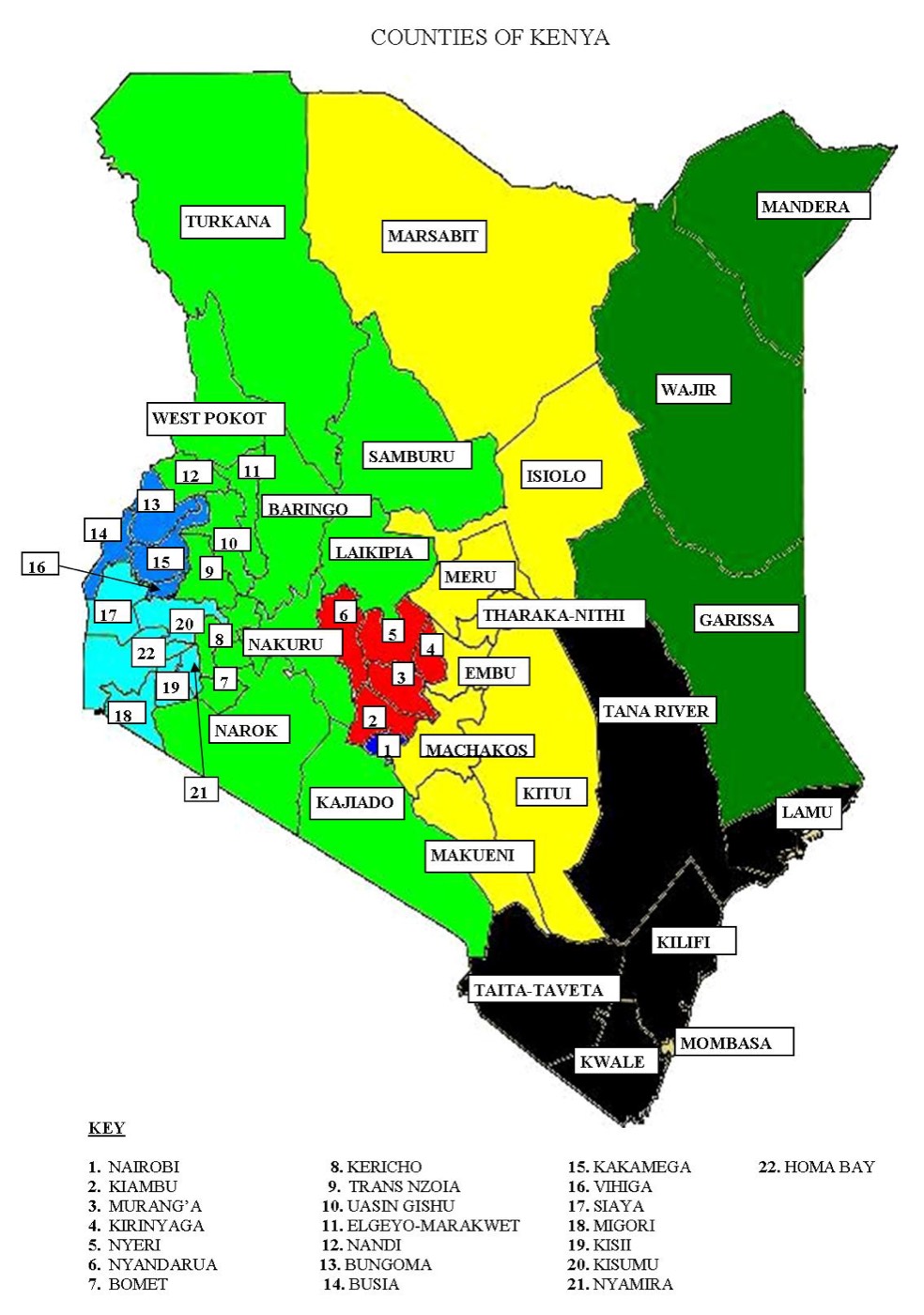
Move to a different ward and your MCA ballot changes. Move to a different constituency and your MP ballot changes with it. Move to a different county and your Governor, Senator and Woman Representative ballots all change too.
That is five of the six papers, and the presidential ballot is the only one that is the same wherever you are registered. The full breakdown is in every Kenyan ballot paper.
So a transfer is not a formality. It is a decision about which local races you have a say in, which candidates should be asking for your vote, and which county government answers to you. Make it deliberately.
After the transfer, verify again
This is the step people skip.
A transfer that was recorded and a transfer that was not are indistinguishable from the outside. You walked into an office, you spoke to an officer, you walked out. The only way to know the register agrees with you is to ask the register, and how to verify your details describes the three channels for doing it.
Verify once a reasonable period after the visit, and again when the Commission publishes the register for public inspection. If the transfer did not take, the second check is what gives you time to go back.
Do this
Decide now, in 2026, where you intend to vote in 2027. Not where you would prefer to, where you will actually be.
If that is not where your registration sits, take your ID to the IEBC office serving the constituency you are moving into, ask for a transfer, note what they record, and verify it afterwards. Doing it this year means a failed transfer is a nuisance. Doing it in the final week means a failed transfer is a lost vote.
Frequently Asked Questions
Is a voter transfer the same as registering again?
No, and the difference matters. A transfer moves your existing entry to a new polling station. Registering a second time creates a duplicate entry, which the Commission's biometric checks are designed to detect and which the law treats as an offence. If you have already registered once, ask for a transfer.
Can somebody else transfer my registration for me?
No. A transfer is done in person by the voter, at an IEBC office, with the national identity document the registration is keyed to. Anyone offering to do it for you with a copy of your ID should be refused. If you need help, the useful help is a lift to the office and company in the queue.
What changes on my ballot if I transfer to another county?
Five of your six ballots change. A new ward gives you a different MCA race, a new constituency a different MP race, and a new county different Governor, Senator and Woman Representative races. Only the presidential ballot is identical everywhere, so a transfer is a decision about which local contests you take part in.