Kalonzo Explains the Wiper Patriotic Front Rebrand
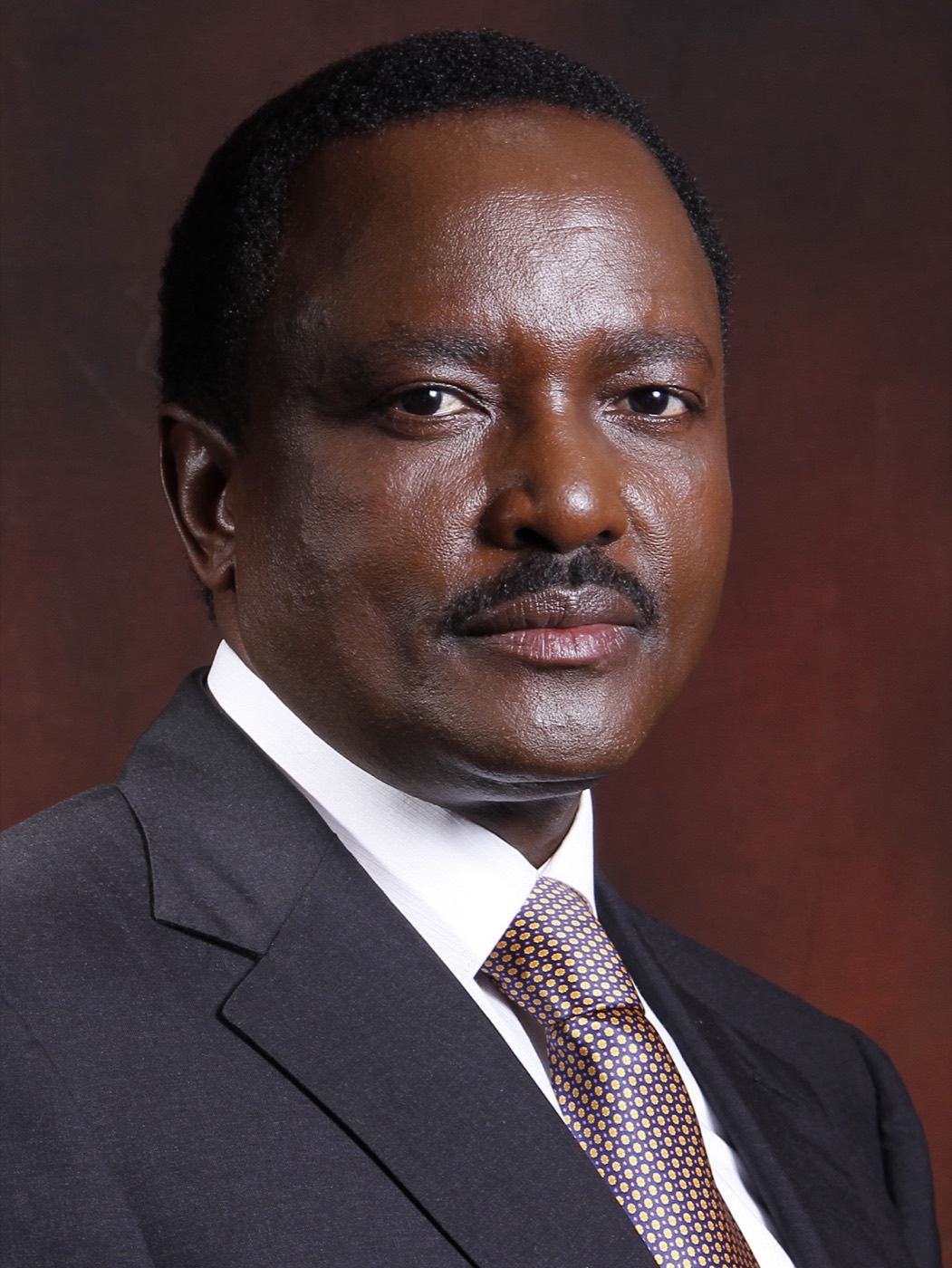
Kalonzo Musyoka has explained why he renamed the Wiper Democratic Movement as the Wiper Patriotic Front: the new identity is intended to capture the frustrations of young Kenyans and build a political platform around their desire for change.
He has been specific about the origin. The rebrand was driven in part by the political consciousness that emerged among young people during the protests against proposed tax increases.
Taking the explanation seriously
It is easy to dismiss a rebrand, and this one deserves a fairer reading than that.
The generation that came onto Kenyan streets in 2024 described itself as leaderless, partyless and tribeless. Every word of that is a rejection of something a long-established regional party is.
A party leader who has been in national politics for decades, recognising that his vehicle is precisely what that generation objects to, is at minimum correctly diagnosing a problem. Most of his contemporaries have not said so out loud.
Why a name change does not fix it
Because the objection was not to the name.
A party that is renamed but retains the same leadership, the same regional base, the same nomination practices and the same relationship between principals and members has changed a label. Young Kenyans have been notably good at spotting exactly that.
What would constitute a real change is visible and testable: nomination rules that guarantee members a vote rather than permitting a committee to decide, young candidates in winnable seats rather than nominated positions, and a membership register that actually functions.
The membership target
The party has said it wants to grow from around one million members to between three and four million, and to field candidates for MCA, MP, governor and senate seats across the country.
That is the part of the plan that is checkable, and it has a deadline. Membership lists are submitted and certified in March 2027 and reach the IEBC in April.
Two to three million accurate new records — full name as on the ID, correct ID number, ward — captured, de-duplicated and produced in a format the Registrar accepts, in under a year. That is a data operation, and it is where most Kenyan parties' claimed numbers meet their certified ones and lose.
What an aspirant should watch
Not the branding. Two things.
The certified membership figure, when it exists, against the claim. That is the single best indicator of whether a party's growth is real.
The nomination rules certified on 30 October 2026. A party genuinely reorienting toward younger members will have rules that guarantee a members' vote. One that retains discretion to substitute a committee decision has told you what the rebrand was.
Related: Kalonzo and the Wiper Patriotic Front.
The precedent for reaching a hostile generation
Parties elsewhere that have successfully attracted a generation hostile to them generally did one thing: gave that generation actual power inside the party, early and visibly.
Not youth wings, which are containment. Positions with authority over decisions — nomination boards, candidate selection, budget, communications.
That is testable in the Kenyan context on a specific date. Nomination rules are certified on 30 October 2026, and party organs are constituted under party constitutions.
A party genuinely reorienting toward younger members will show it in who sits on the body that decides candidacies, and in whether the rules guarantee members a vote rather than permitting a committee to substitute one.
Everything else is a name, and names are cheap.
The date this becomes checkable
30 October 2026, when the Registrar certifies nomination rules, and March 2027, when membership lists are certified.
Those two documents will say more about whether a rebrand meant anything than any launch event, and both are public facts on fixed dates.
Frequently Asked Questions
Why did Kalonzo Musyoka rename Wiper?
He has said the Wiper Patriotic Front identity is meant to capture the frustrations of young Kenyans and build a platform around their desire for change, driven in part by the political consciousness that emerged during the protests against proposed tax increases.
What is Wiper Patriotic Front's membership target?
Growth from around one million members to between three and four million, alongside fielding candidates for MCA, MP, governor and senate seats across the country.