Keeping a Campaign Team Together Through the Quiet Months
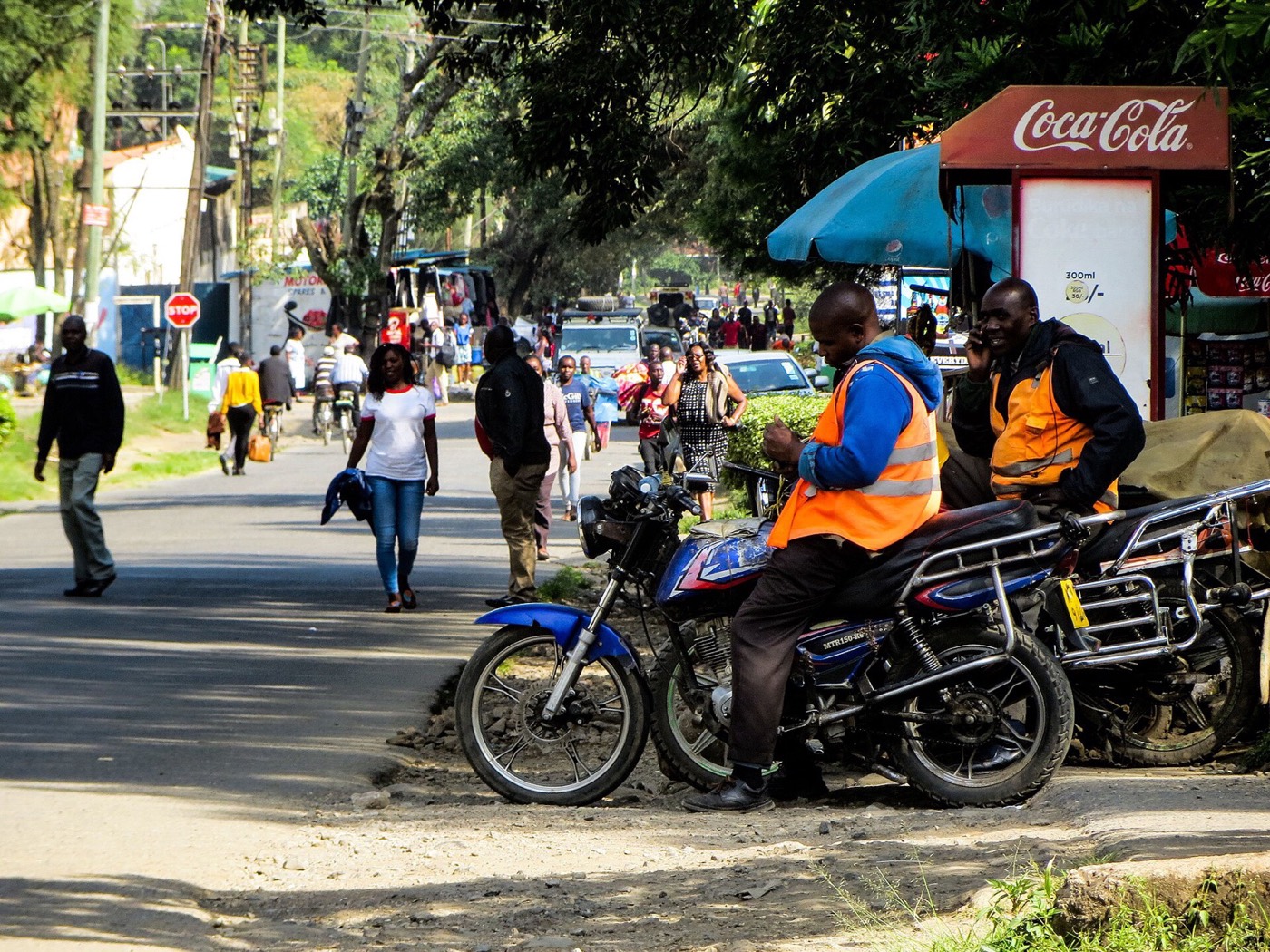
There is a long stretch in every Kenyan campaign where nothing visible happens. No rallies worth the name, no nomination fight yet, no ballot in sight. That stretch is where teams are lost, and losing them there is entirely avoidable.
Nobody resigns. That is what makes it hard to see. People simply stop replying, stop attending, and are still on the list in a group chat that nobody has audited since the day it was created.
What actually causes people to drift
Not boredom, and not disloyalty. Three ordinary things.
Nothing is asked of them. A person who is asked for nothing for six weeks correctly concludes they are not needed, and rearranges their Saturdays around something that does need them.
Nothing they did was ever acknowledged. A volunteer who visited forty households and was never told the number mattered will not visit forty more.
Somebody else was thanked publicly and they were not. In a ward where everybody knows everybody, this is not petty. It is a public statement about who counts, and it is usually made by accident.
Give the quiet months work of their own
The quiet stretch is not empty. It is the only period in the whole cycle when the unglamorous work can actually be done, and framing it that way changes how people experience it.
There are four jobs that fit it perfectly.
Mapping. Every polling stream in the ward, every school and hall used as a centre, every road that becomes impassable in the rain. Slow, dull, and impossible to do in the final month.
Voter registration. Finding people who are eligible and not registered, and getting them to a registration point. This is the highest-value work available and it can only be done well over a long period.
Party membership. In a party primary only members vote, and a certified membership list closes well before the primaries themselves. Signing up supporters as members is quiet-month work with a hard deadline attached.
Agent recruitment. Names against streams, one ward at a time. The archive makes the case for starting almost a year out: recruit your polling agents early.
Each of those gives a volunteer a reason to be contacted this week rather than in 2027.
Meet on a fixed rhythm, even when there is little to say
The same day, the same time, every week or every fortnight. A short meeting that happens reliably beats a long one that happens when somebody remembers.
Rhythm is what makes a group feel like an organisation rather than an occasional gathering. A coordinator who knows numbers are due on Friday behaves differently on Wednesday. A volunteer who knows there is a meeting on the first Saturday of the month keeps it free.
Keep the meeting to thirty minutes and give it a fixed shape: what we did, what we found, what each person is doing next. If it regularly runs to two hours it will start being skipped, and the people who skip it first are the busy ones you most need.
Recognition is free and gets skipped anyway
Read out names. In the meeting, in the group, at the event.
Not a certificate and not a title, because titles inflate and become worthless. The name of the person and the specific thing they did: who visited the most households this month, who signed up the most new members, who found the stream nobody had listed.
Do it consistently or not at all, because recognition that happens once and then stops does more harm than none. And spread it across wards, because a campaign that only ever praises the town wards teaches the rural ones that their work is not seen.
The register you should be able to produce in one minute
Here is the test for whether your team still exists.
Ask for a list of everybody who completed a task in the last thirty days, sorted by ward. If the answer takes a week and involves phoning coordinators, you do not have a team. You have a group chat and a hope. Why a group chat cannot answer that question is worth reading alongside this.
Compare that list to your total names. The gap is your real attrition, and in the quiet months it grows silently every week nobody looks.
What to do this month
Pick one of the four quiet-month jobs, give it to every ward with a number attached, and set a date to compare wards.
Then take the names that have done nothing in sixty days and have their coordinator call each one personally with one small task. Some are gone. Many are not, and are waiting to be asked, which is the whole point of doing this in 2026 rather than discovering it in the last fortnight before 10 August 2027. Related: recruiting people who stay.
Frequently Asked Questions
Why do campaign volunteers disappear between elections?
Usually because nothing was asked of them, nothing they did was acknowledged, or somebody else was thanked publicly and they were not. None of the three is about loyalty, and all three are cheap to fix.
What work should a campaign do in the quiet months?
Mapping every polling stream and route, voter registration, signing supporters up as party members before the membership list closes, and recruiting polling agents ward by ward. All four are slow jobs that cannot be done properly in the final weeks.
How often should a campaign team meet when there is no election near?
On a fixed rhythm, weekly or fortnightly, at the same time, kept to about thirty minutes. Reliability matters more than length. A meeting that regularly runs long starts being skipped, and the first people to skip it are the busiest and most useful.