Kenya's 2026 By-Elections, and What Each One Actually Showed
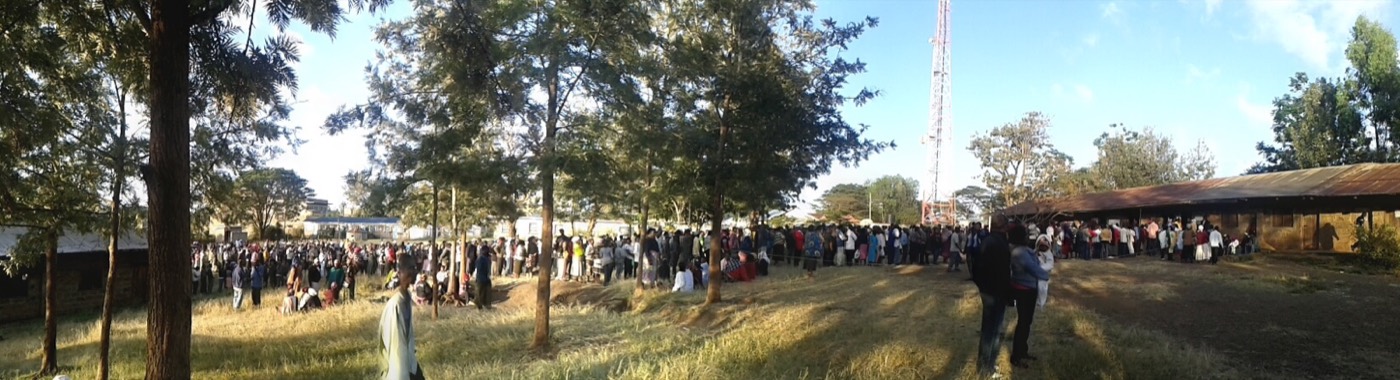
Between general elections, by-elections are the only real electoral data Kenya produces. They are studied intensely and almost always over-read.
Here is what this cycle's results actually support.
What the record shows so far
Results have gone in more than one direction. UDA has won ward contests and attributed them to public confidence in the government's development agenda. Opposition parties have won others and drawn the opposite conclusion.
Both cannot be describing the national mood, which is the first clue that neither is.
The consistent findings across all of them
Three things repeat regardless of who won.
Turnout is low. Consistently and substantially below general-election levels. That means the result describes the mobilised minority.
Violence and bribery allegations recur. Kenya's recent by-elections have been marked by intimidation, disruption and claims of voter inducement in multiple constituencies. This is the most important finding in the whole set and the least discussed, because it is about 2027 rather than about who won a ward.
Machinery beats mood. Whoever can move people, transport and money into one constituency at short notice tends to win. That capability correlates with being in government, which is why governments generally do well in by-elections everywhere.
How to read a by-election properly
Four questions, and if a commentator has not answered them they are guessing.
1. What was the turnout, against the general election in the same seat? A win on half the turnout is a different result from a win on the same turnout.
2. Was the seat vacated by death or by petition? A seat lost on petition carries a grievance the by-election is partly about.
3. Did the losing side actually contest it? Parties sometimes decline to invest, and a walkover reported as a landslide is not information.
4. What happened on the ground? Violence, disruption or a delayed declaration tells you more about 2027 than the margin does.
The transferable lesson
By-elections reward the same capability that decides close general-election seats: identifying your voters individually and getting them to the station.
In a by-election that capability is decisive because everybody else has stayed home. In a general election it is worth less per unit of effort because everyone is mobilising — which means it has to be built over a much longer period to produce the same advantage.
A campaign that starts identifying supporters household by household, records where each is registered, and reviews the count weekly by ward, has a turnout operation by August 2027. That is the whole lesson, and it is available to any campaign willing to do unglamorous work in 2026.
Related: what a Samburu ward by-election showed.
The one number nobody publishes
Cost per vote.
A by-election is a rare moment when a party spends a concentrated, identifiable sum on a small, identifiable electorate. Divide the spend by the votes and you get the clearest possible measure of a campaign's efficiency.
Nobody publishes it, obviously, because the numbers would be embarrassing on all sides. But campaigns should calculate their own. A party that spent heavily to win a ward by a small margin has learned something important about its ground operation, and a party that won cheaply has learned something more valuable still.
And the finding that actually transfers
Across every by-election in this cycle the pattern is the same: the side with a working local structure wins, and the side relying on national brand does not.
That is not a comforting conclusion for parties whose strategy is national messaging, and it is the single most reliable thing by-elections tell us about August 2027.
Frequently Asked Questions
Do Kenyan by-elections predict general election results?
Poorly. Turnout is much lower, results are dominated by local organisation and short-notice resource deployment, and the outcomes in this cycle have gone in more than one direction.
What is the most useful thing a by-election reveals?
The state of the security environment. Recurring violence, intimidation and bribery allegations in by-elections are a direct indicator of what a general election day is likely to involve.