Kenya's Opposition Has Eight Principals and One Ticket
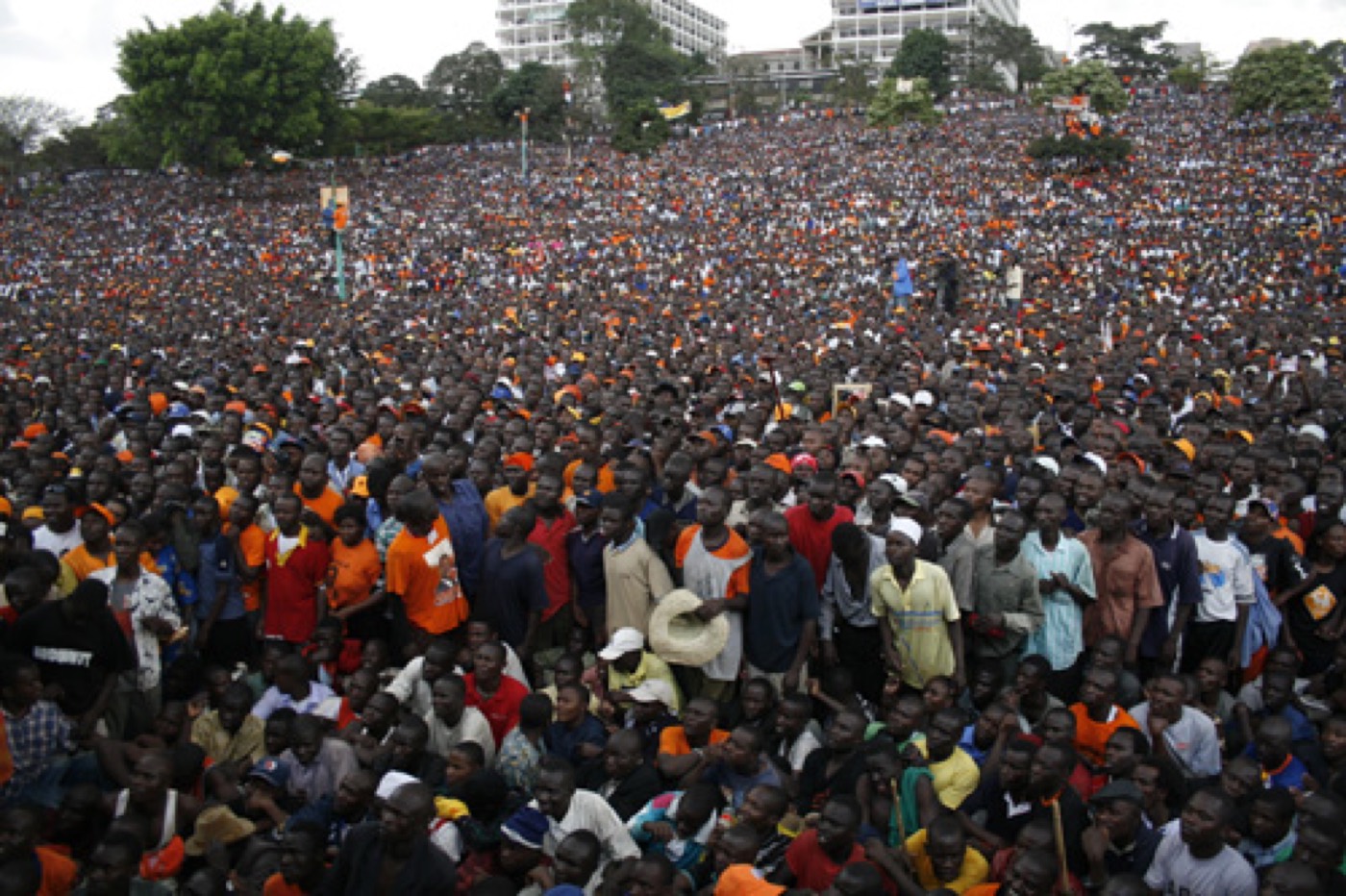
Kenya's opposition coalition contains a large number of people who have run for president, intend to run for president, or believe they should.
There is one presidency.
That is the whole problem, and it will not be solved by another retreat.
What is actually on the table
A presidential coalition has a small number of things it can distribute:
The presidential nomination. One.
The running mate slot. One, and it is worth much less than it looks because Kenyan deputy presidents have found the office constrained.
Positions in a future government. Valuable and unenforceable, since they depend on winning and on the winner honouring the arrangement.
Down-ballot zoning. Agreements that partner parties will not contest particular counties or constituencies. This is the most concrete thing on offer, and it is why so many coalition negotiations end up being about seats rather than the presidency.
Why nobody wants to go first
Because the moment a principal accepts something other than the top of the ticket, they have concluded their own presidential prospects for this cycle and possibly for good.
In Kenya that is not a small thing. A politician's national relevance, fundraising and regional standing all rest partly on being a plausible presidential candidate. Conceding it is a permanent loss of position in exchange for a promise about a government that does not exist.
So every individual principal is better off delaying, and the coalition is worse off for every month of delay. That is a collective action problem, and collective action problems are not resolved by appeals to unity.
The methods available, and why each has failed
Polling. Requires agreement on the pollster, the question, the sample and the date, fixed before anybody knows the result. Whoever is behind at the moment of agreement has no reason to sign.
A delegates' vote. Requires an agreed delegates register, which is the same problem with more steps.
A public primary. The only method with real legitimacy, and effectively a general election rehearsal the coalition cannot fund.
A convener's decision. Fastest, and carries no legitimacy with anybody who loses.
What the coalition can do instead, and is doing
Down-ballot deals. Seat-level arrangements between partner parties are far easier to reach than a presidential nomination, and they let principals demonstrate cooperation while conceding nothing at the top.
That is rational and it has a cost that falls on somebody else: the aspirants whose seats are being traded.
Which is the point for anybody reading this who is running
If you are seeking a ticket in a coalition party, your seat is an asset in a negotiation you are not part of, conducted by people whose primary objective is not your election.
There is one hedge and it is the same one every time: make your seat expensive to trade. Named ward coordinators, an active volunteer roster, members recruited, agents assigned. A constituency where the party's candidate has that structure is not a cheap seat to give away, and the person doing the trading can see it.
Related: coalition or coalition party.
What a run-off would change, and why nobody plans for it
Kenya has never held a presidential run-off, and the possibility is persistently under-discussed.
If no candidate takes more than half the national vote plus 25 per cent in at least 24 counties, the top two go to a second round. In a genuinely fragmented field that becomes plausible rather than theoretical.
For a fragmented opposition, a run-off is the mechanism that would rescue them from their own arithmetic: reach second place, then consolidate everything behind one candidate for round two, with the choice made by voters rather than by principals.
That is a coherent strategy and nobody is stating it, partly because it requires admitting that a first-round win is not available and partly because it depends on the incumbent falling below the threshold, which mid-2026 polling does not suggest. But it is the only path that does not require somebody to concede in advance, which is exactly what has proved impossible.
Related: the 24-county rule.
Frequently Asked Questions
Why can't Kenya's opposition agree on a presidential candidate?
Because accepting anything other than the nomination means conceding presidential prospects, which carries a permanent cost to a Kenyan politician's national standing. Every principal is individually better off delaying while the coalition is collectively worse off.
What can a Kenyan coalition offer besides the presidency?
The running mate slot, positions in a future government that are unenforceable, and down-ballot zoning agreements under which partner parties agree not to contest particular seats.