Kenya's Opposition Promised One Candidate by March. It Is Now June.
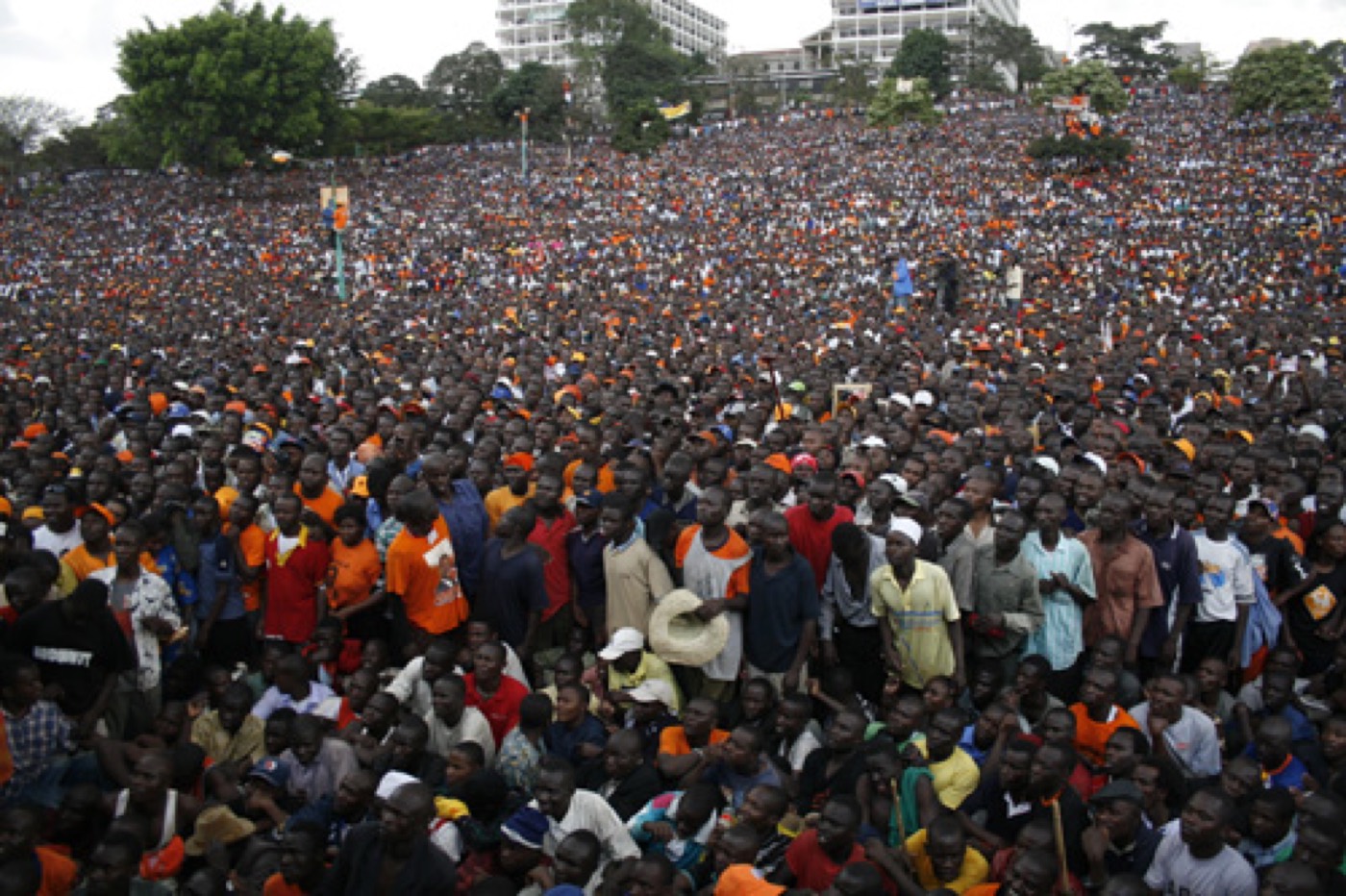
In 2025, Wiper leader Kalonzo Musyoka said the united opposition would name its presidential candidate in the first quarter of 2026.
That quarter has been over for two months.
Why the deadline slipped
Not because nobody is trying. Because agreeing a single candidate requires answering a question the coalition has never answered: by what method?
Kenyan reporting on the opposition's internal discussions keeps surfacing the same three disagreements.
Whether opinion polls should decide it. Some principals favour polling as the fairest available proxy. Others distrust it, and specifically distrust who commissions and pays for the polls that would be used.
Whether the public should be involved. Martha Karua has argued that Kenyans should have a role in choosing the flagbearer. That is a principled position and also, for a candidate polling behind the men in the room, the only method that could plausibly change the outcome.
Whether anybody is willing to lose. This is the real one. Every principal in the room has a base, a history and a reason to believe it should be them. A selection method only works if the losers accept it, and none of them has yet agreed to be a loser.
The arithmetic that makes it urgent
Kenya's presidency requires more than half the votes cast, plus at least 25 per cent of the votes in more than half of the 47 counties.
A fragmented opposition does not merely lose. It makes a first-round win by the incumbent much easier, because the threshold is about share rather than plurality.
Every month the question stays open, the incumbent's campaign gets a free advantage that no amount of opposition mobilisation offsets.
Why it may not be resolved at all
Two structural reasons to be pessimistic.
The calendar rewards delay. Naming a candidate early means the losers spend a year without a project. Naming late keeps everyone in the room. The incentive on each individual principal is to delay; the incentive on the coalition is to decide. Individual incentives usually win.
Down-ballot deals substitute for the top-ticket decision. Seat-level arrangements between parties are easier to reach than a presidential nomination, and they let principals demonstrate cooperation without conceding anything. Expect more of those and fewer of the hard decision.
What this means if you are running for something else
You are the one carrying the risk of this.
A down-ballot aspirant in a coalition party is planning a campaign while two things remain unknown: who the presidential candidate is, and whether their own seat will be traded to a partner in the process of deciding.
There is exactly one hedge, and it is unglamorous: build support that is yours rather than the coalition's. Named ward coordinators you recruited. A volunteer roster where people do actual work. Members you signed up. Polling agents you know by name.
All of that transfers to whatever symbol exists in April 2027. A campaign that is a coalition brand transfers nothing, and finds out late.
That is not a rhetorical point. It is the practical reason we built BallotWinners around the candidate's own structure rather than the party's, and it is the difference between an aspirant who is negotiated with and one who is negotiated about.
What a selection method would have to look like
For the record, because the coalition will eventually have to choose one.
A poll-based rule needs an agreed pollster, an agreed question, an agreed sample design and an agreed date, all fixed in advance and in writing. The reason this has not happened is that whoever is behind at the moment of agreement has no incentive to sign.
A delegates' vote needs an agreed register of delegates, which is the same problem in different clothing.
A primary open to the public is the only method with democratic legitimacy and by far the most expensive and hardest to run. It would also, in practice, be a general election rehearsal that the coalition cannot afford.
A convener's decision is fastest and has no legitimacy with the losers.
There is no method without a loser, which is the whole difficulty, and it is why the deadline slipped rather than being met with a bad answer.
Frequently Asked Questions
Has Kenya's opposition chosen a 2027 presidential candidate?
Not as of mid-2026. Kalonzo Musyoka said in 2025 that the united opposition would name a candidate in the first quarter of 2026, but that deadline passed without agreement on either a name or a selection method.
Why can't Kenya's opposition agree on one candidate?
Three unresolved disagreements: whether opinion polls should decide it, whether the public should be involved in the choice, and whether any principal is prepared to accept losing a selection process.
What share of the vote wins Kenya's presidency outright?
More than half of all votes cast plus at least 25 per cent of the votes cast in more than half of the 47 counties. Otherwise the top two candidates go to a run-off.