The Last Seventy-Two Hours Before Polling Day
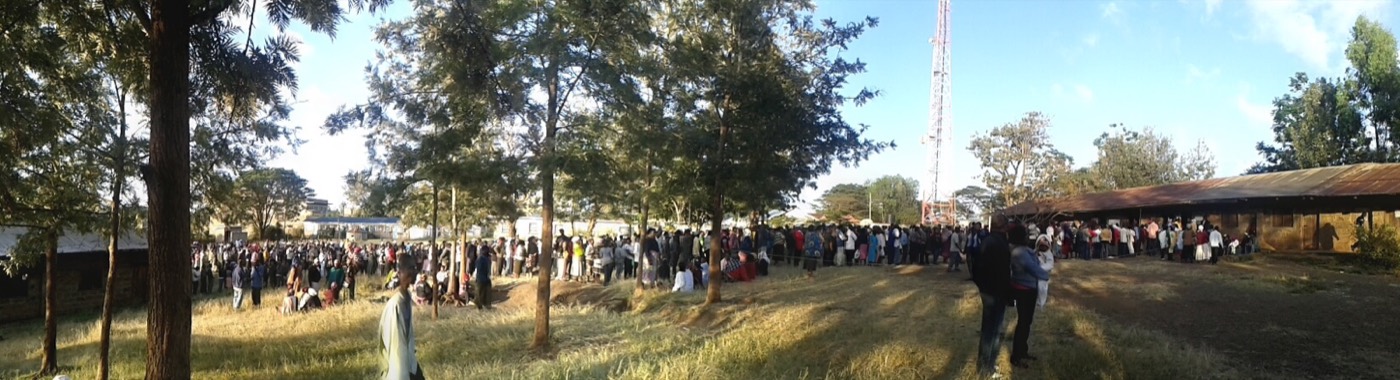
By the last three days, persuasion is finished. Anybody still undecided will mostly be decided by whether they can be bothered to walk to a polling station.
The final seventy-two hours are a logistics problem. Campaigns that treat them as a campaigning problem lose votes they already had.
Stop campaigning when the rules say stop
Campaigning does not run up to the moment the polls open. There is a cut-off before polling day, set out in the electoral code and enforced by the commission, and the exact timing for 10 August 2027 will be published ahead of the election. Read the current direction rather than relying on what somebody remembers from last time.
Plan for the cut-off instead of being caught by it. Everything below is permitted work, because it involves your own people, your own materials and your own arrangements.
Confirm every agent by name, stream and phone
Not by ward. By stream.
Every polling stream needs a named agent who has confirmed within the last two days that they will be there. Confirmed means you spoke to them, not that they are in a group.
For each one you need the appointment paperwork in their hand, their phone number, their reporting time, and how they are getting there. If you cannot produce that list on the Friday, you do not have agents, you have hope. There is a fuller version of that test in the agent coverage piece.
Name reserves as well. People fall ill, phones die, families have emergencies, and a stream with no agent is a stream where nobody checked the form.
Brief the agents once, properly, and early
The briefing does not happen on polling day morning. It happens before the cut-off, in person, in one room per constituency if you can manage it.
Cover what an agent may and may not do, what to check when the seals are broken, what to do if they are asked to leave, and the one thing that decides everything afterwards: obtain a signed copy of the results form for your office before the station closes for the night. Their safety comes first and is a subject in its own right, set out in the agent safety piece.
Small things that decide the day
Airtime, loaded the day before rather than promised for the morning.
Phones charged, and a plan for charging in a station with no power.
Food and water for people who will be in one room from before dawn until long after dark.
Transport agreed and paid in advance, with a manifest, because negotiating a fare at five in the morning on polling day is a losing position.
A printed contact list on paper, because networks fail and a dead phone holding all your numbers is only a solved problem if you solved it earlier.
Work the list of people who said yes twice
This is your turnout operation, and it should already exist.
Contact the people who have confirmed support more than once. One short message or call each: where their station is, when it opens, and that you would be glad to see them early in the day.
Do not attempt to persuade anybody in these three days. Do not send anything to your opponents' supporters. Do not add new names. The whole value of the work described in the follow-up piece is that in this window you already know exactly who to call.
Set the reporting chain before you need it
Decide now who receives what, from whom, and how.
Agents report to a ward point of contact. Ward contacts report to one person per constituency. One person holds the whole picture. Anything that looks like an offence or an obstruction goes to a named person who knows the escalation route, rather than being argued about at the station.
Agree what gets sent: the stream, the figures as recorded, and a photograph of the signed form. Agree what does not get sent: rumours, screenshots from elsewhere, and numbers nobody can attribute to a station.
Then let people rest. A team that works through the last night is a team making mistakes at six in the morning, and the work of the final seventy-two hours is confirmation rather than effort. If it is still effort, the plan was late.
Write the stream-by-stream agent list today, even in 2026, and see how much of it you can already fill.
Frequently Asked Questions
What should a campaign do in the last three days before polling day?
Stop persuading and start confirming. Every polling stream needs a named agent who has spoken to you within two days, with paperwork in hand, a reporting time and a way of getting there, plus named reserves. Beyond that the work is airtime, charging, food, transport with a manifest, a paper contact list, and a short reminder to the supporters who have said yes more than once.
When does campaigning have to stop in Kenya?
There is a cut-off before polling day set out in the electoral code and enforced by the commission, and the exact timing ahead of 10 August 2027 will be published before the election. Read the current direction rather than relying on memory of a previous cycle. Confirming your own agents, arranging your own transport and reminding known supporters where their station is are separate from campaigning.
What should the polling day reporting chain look like?
Agents report to a ward point of contact, ward contacts report to one person per constituency, and one person holds the whole picture. Agree in advance exactly what gets sent, which is the stream, the figures as recorded and a photograph of the signed form, and what does not, which is rumour, forwarded screenshots and numbers nobody can attribute to a station.