Linda Mwananchi: What the Homa Bay Rally Told Us About 2027
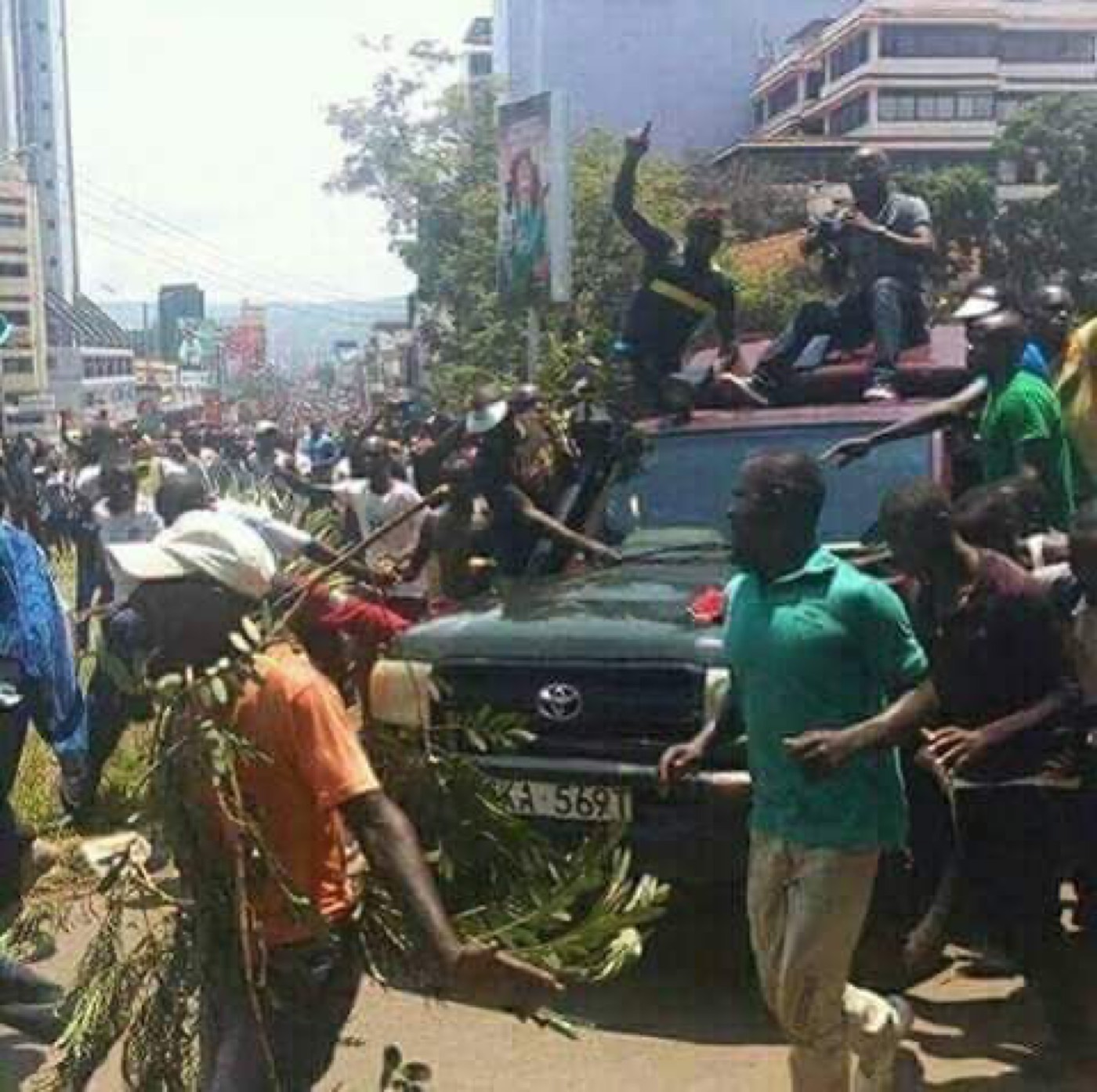
On Sunday 16 August 2026, the Linda Mwananchi movement held a rally in Homa Bay. Nairobi Senator Edwin Sifuna was there. So were Siaya Governor James Orengo and Embakasi East MP Babu Owino.
Two things happened, and both are the story.
The crowds were large. And there were sustained attempts to disrupt the meetings, with chaos reported through the day.
Why Homa Bay specifically
Because it is ODM territory in the most complete sense — one of the counties where the party has historically produced enormous, near-unanimous margins.
Sifuna is a former ODM Secretary-General, removed by the party's own NEC. He is now touring the party's heartland with a movement organised around everything ODM's current leadership has agreed to.
That is not an incidental stop on a national tour. It is a test, run in public, of whether the ODM base in 2027 follows the party structure or follows the politics it thought the party stood for.
Large crowds suggest the answer is not settled.
The route so far
Linda Mwananchi built momentum in Western first — Trans Nzoia, Bungoma, Kakamega, Busia — before moving into Nyanza. A rally in Meru was announced for the end of August 2026, which takes the movement into Mount Kenya East.
That sequence is deliberate. Western, then Nyanza, then a Mount Kenya county. It is the geography of a national coalition being assembled by rally rather than by negotiation.
The disruption is a data point, not a footnote
Chaos at an opposition rally in 2026 is not an isolated incident. It sits inside a documented pattern.
The Kenya National Commission on Human Rights spent mid-2026 recording political intolerance, intimidation and the alleged use of organised groups, documenting incidents between June and August 2026 and warning that the trend could undermine democratic participation ahead of 2027. Kenya's Interior Cabinet Secretary said in April 2026 that more than 104 criminal gangs were operating under political patronage.
So a rally that draws crowds and disruption in the same day is telling you two separate things: that the mobilisation works, and that there is now a market response to mobilisation that works. We wrote about the economics of that market in the goon economy piece.
What a movement still has to convert
A rally is the easiest part of politics to do and the hardest to bank.
Three conversions have to happen between a Homa Bay crowd and a Homa Bay result:
Crowd to register. Names, wards, phone numbers, captured on the day. A crowd that leaves without being recorded is gone.
Register to task. A supporter who is contacted once with a thank-you and then not asked to do anything concludes, correctly, that they are not needed. The gap between collecting names and using them is where Kenyan movements die.
Task to coverage. Ultimately somebody has to sit in a polling stream on 10 August 2027 with a Form 36A. Movements that never make this conversion produce enormous crowds and lose counts they should have won.
None of that is a technology problem in principle. In practice it is, because doing it by hand across eight counties is impossible and nobody does it. This is precisely why we built BallotWinners around the conversion rather than the crowd: every supporter recorded, every task assigned to a named person, and every polling stream showing whether it has an agent or not.
A movement that manages those three conversions in the eleven months remaining is a serious 2027 force. One that keeps holding rallies is a memory.
Frequently Asked Questions
What happened at the Linda Mwananchi Homa Bay rally?
On 16 August 2026 the Sifuna-led movement held rallies in Homa Bay alongside Siaya Governor James Orengo and MP Babu Owino. The tour drew large crowds and was marked by heightened tension and attempts to disrupt the meetings.
Why is Linda Mwananchi rallying in ODM strongholds?
Edwin Sifuna is a former ODM Secretary-General removed by the party's NEC, and the movement opposes the accommodation ODM's current leadership has reached with the government. Rallying in Nyanza tests whether the party's base follows its structure or its former politics.