Market Day Is Your Cheapest Contact Day. Do Not Waste It.
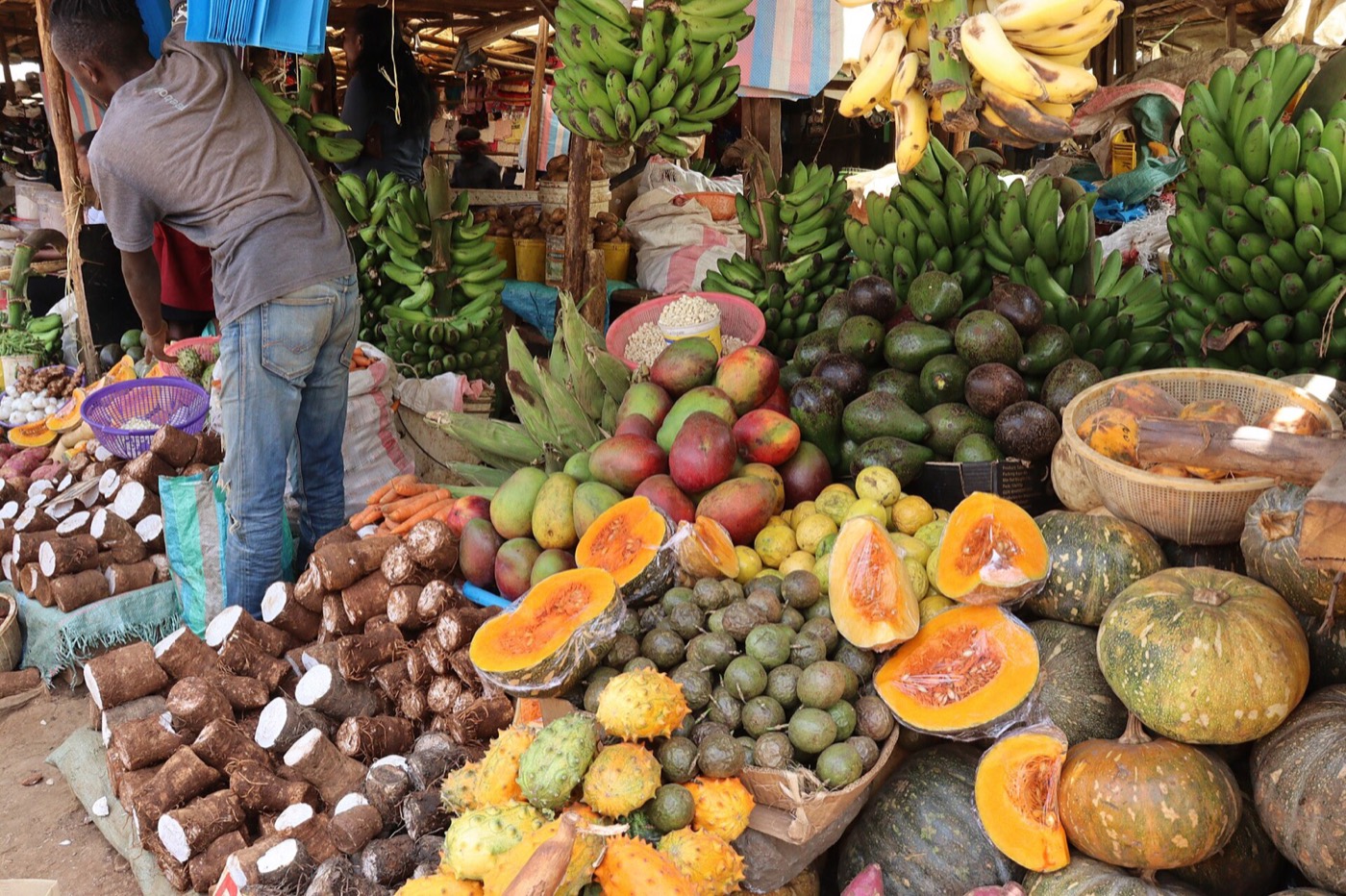
On market day the ward comes to you. That is the whole argument, and it is stronger than most campaigns realise.
A market on its day contains traders, farmers, buyers from three sub-locations, riders, hawkers and a stream of people who would each have cost you a separate walk. Nowhere else in a Kenyan ward assembles that mix without an invitation.
Most campaigns answer it with a convoy, a loudspeaker and forty minutes of shouting, which is the one approach that guarantees nobody remembers a word.
Learn the day and the hours before you plan anything
Markets in Kenya run on a fixed day, sometimes two, and each has a peak of two or three hours. Outside that peak the same ground is half empty.
Find the day. Find the peak. Find out whether it shifts for month end, for a public holiday, or for the rains.
Then plan to arrive for the peak and to leave before it ends, which almost no campaign does.
Get permission from the people who actually run it
Every market has somebody in charge: a market committee, a traders association, a county market master, sometimes all three.
Go to them first, days ahead. Say how many people you are bringing, where you want to stand, and how long you will be there. Ask where you should not stand.
There are two reasons. The obvious one is that a campaign thrown out of a market by its own committee is the story of the week. The less obvious one is that the committee will tell you exactly where the flow is, and that is information you cannot get by looking.
Remember that everybody there is working
This is the thing candidates forget within ten minutes.
A trader standing in front of a stall talking to you is a trader not selling. A candidate with an entourage blocking an aisle is costing every stall behind them real money, and the traders will be polite about it and furious afterwards.
Practical rules follow. Stand at the side, never in the aisle. Keep conversations short and let the trader end them. Buy something, from more than one stall, and pay the asking price without negotiating for a photograph.
Split the team into noise and contact
A market visit has two jobs, and campaigns collapse them into one.
The noise team is small: a few people, visible branding, music if the committee allows it. Its only job is to make people aware that something is happening.
The contact team is the point of the whole exercise. Pairs, not groups. No branding louder than a shirt. They move slowly through the market having short conversations and writing down what they hear.
Send one pair to the boda stage beside the market on the same afternoon. The two networks talk to each other constantly, which is a reason to be consistent in both, as set out in the boda piece.
If your whole team is the noise team, you held an event. If most of your team is the contact team, you ran a contact day, and the difference is measurable that evening.
Capture, or it did not happen
Names and phone numbers, ward, and the issue raised, recorded at the stall on the phone in the volunteer's hand rather than reconstructed in the evening.
Market conversations produce the single most repeated complaint in Kenyan ward politics, which is the levy: what it is, how it is collected, who collects it and what it buys. Log it every time, with the stall and the section, because a hundred of those entries is a case an MCA can actually take somewhere.
The discipline is the one used at a gate, described in the door-to-door piece, and the market version is easier because people are already standing still.
Go back to the same market, more than once
A single market appearance is an event. The same faces at the same market over several market days, between now and 10 August 2027, is a presence, and traders talk about presence.
A campaign that shows up in June 2026 and again in July 2027 is understood precisely. A campaign that shows up monthly, buys things, listens, and comes back with an answer on the levy is a different proposition entirely.
Find out your ward's market day this week, and go once with no branding at all.
Frequently Asked Questions
How should a Kenyan campaign use market day?
Arrive for the two or three hour peak and leave before it ends, having cleared it with the market committee days beforehand. Split the team into a small noise team and a much larger contact team working in pairs, and capture names, numbers and the issue raised at the stall itself. A market brings a whole ward's cross-section into one place, which no other event in a ward does.
Why do market campaigns annoy traders?
Because everybody in a market is working. A trader talking to a candidate is a trader not selling, and an entourage standing in an aisle costs every stall behind it real money. Stand at the side, keep conversations short, let the trader end them, and buy something at the asking price without haggling for a photograph.
What issue comes up most at Kenyan markets?
The levy: what it is, how it is collected, who collects it and what it actually buys. Log every instance with the stall and the section rather than nodding at it, because a hundred logged entries becomes a case an MCA can take somewhere. A campaign that returns to the same market with an answer on the levy is treated very differently from one that returns with a loudspeaker.