Boda Riders Are a Network, Not a Hire
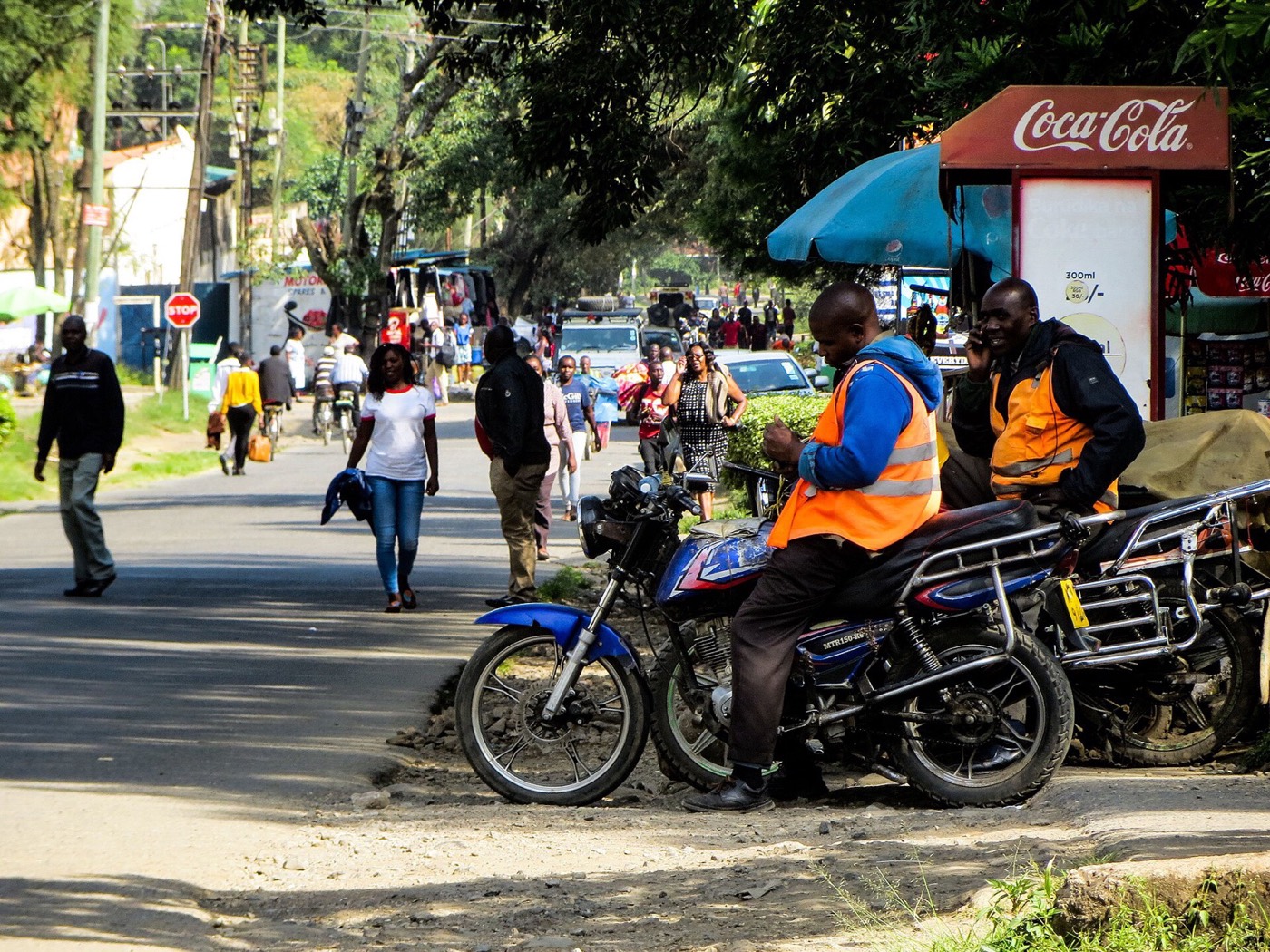
Almost every Kenyan campaign uses boda riders. Almost every Kenyan campaign uses them as transport and as a crowd, hires them for a day, and then wonders why the relationship has produced nothing by the ninth month.
A stage is not a labour pool. It is a network with a membership, an internal hierarchy and a daily flow of information through it, and it is the single most underused asset in ward politics.
What a rider actually knows
A rider at a busy stage speaks to a large number of residents every day, in a short and honest register, and travels the whole ward while doing it.
A stage therefore knows, collectively, which road flooded last night, which household has a funeral this week, which shop has closed, who has just moved in, which chairman is annoyed, where a rival held a meeting and how many people were actually at it.
None of that reaches a campaign any other way, and none of it costs anything to receive if the relationship is real.
Start with the chairman, not with the riders
Every stage has a chairman, and most have a sacco or a welfare group with an account and a set of rules.
Go to him first, in the open, and say what you want. Skipping the chairman to recruit individual riders is the fastest way to make a stage hostile, because you have cut across the one structure the riders themselves built.
Ask what the stage's own problems are before you say anything about your candidate. Riders have a specific list, and it is usually about the shelter, harassment, the county levy, licensing, or the state of one particular road. It is also a list an MCA or an MP can act on, which makes it the most promising complaint log in the ward.
The mistake, stated plainly
The mistake is buying a day.
A campaign turns up before an event, pays a group of riders to ride in a convoy wearing branded jackets, and leaves. The riders are paid, the photographs look busy, and nothing has been built. Next month a rival does the same, and the same riders ride for them, because nobody ever asked them for anything except a morning.
Worse, a rate gets established. Riders at the next stage hear what was paid, expect the same, and the campaign has created a market it now has to keep feeding until August 2027.
What to do instead
Pay properly for actual work, and record it. If a rider carries your materials or your agents, that is transport, and it should be paid at a fair rate, receipted, and entered in your expenditure record like any other cost. A campaign that pays cash with no record meets the problem again at audit.
Recruit individuals by name. Not the stage supports us. Which riders, with which phone numbers, in which ward, willing to do what. That is a volunteer roster and it belongs in the same record as everybody else, for the reason set out in the volunteer piece.
Give them information tasks, not only transport tasks. A rider who reports what they saw at the market on Thursday is worth more than one who carried a poster, and the market is the other half of the same afternoon, described in the market day piece.
Respect their business. A rider who is visibly branded for one side may lose customers from the other. Some will accept that and some will not, and pushing a person into it because you paid them is how a stage goes quiet on you.
The line you do not cross
Never ask riders to be enforcers.
Kenyan politics has an established and ugly market for organised young men, and a stage is exactly where a campaign is tempted to shop. Do not. Intimidation and violence are offences under the Election Offences Act 2016, the exposure falls on the riders far more heavily than on you, and the first time somebody is hurt the network becomes a liability.
If another campaign in your ward is doing it, the correct response is to record it and report it, not to match it.
What riders are actually for on polling day
On 10 August 2027 riders are genuinely useful for moving your agents between streams and carrying materials that could never be mistaken for an inducement.
Be careful with voter transport. Ferrying voters is a place campaigns wander into an offence without meaning to, and the safe practice is simple: move your own people and your own materials, and let voters arrive on their own.
Go and sit at a stage this week. Buy nothing, promise nothing, and ask what is wrong with the shelter.
Frequently Asked Questions
How should a campaign approach a boda boda stage in Kenya?
Go to the stage chairman first and in the open, before speaking to individual riders, because the stage built that structure itself and cutting across it makes the whole stage hostile. Ask about the stage's own problems, which are usually the shelter, harassment, licensing or the county levy, before you say anything about your candidate. Those complaints are things an MCA or MP can genuinely act on.
What is the mistake campaigns make with boda riders?
They buy a day. A campaign pays a group of riders to ride in a branded convoy before an event and leaves, having built no relationship at all, so the same riders ride for a rival the following month. It also establishes a rate that spreads to neighbouring stages and has to be paid again every time.
Can boda riders transport voters on polling day?
Ferrying voters is where campaigns wander into an election offence without intending to, so the safe practice is to move only your own people and your own materials. Riders are genuinely useful on polling day for shifting agents between streams and carrying items that could never be mistaken for an inducement. Pay that work at a fair rate and receipt it like any other cost.