Mount Kenya Is Voting Against the Government It Elected
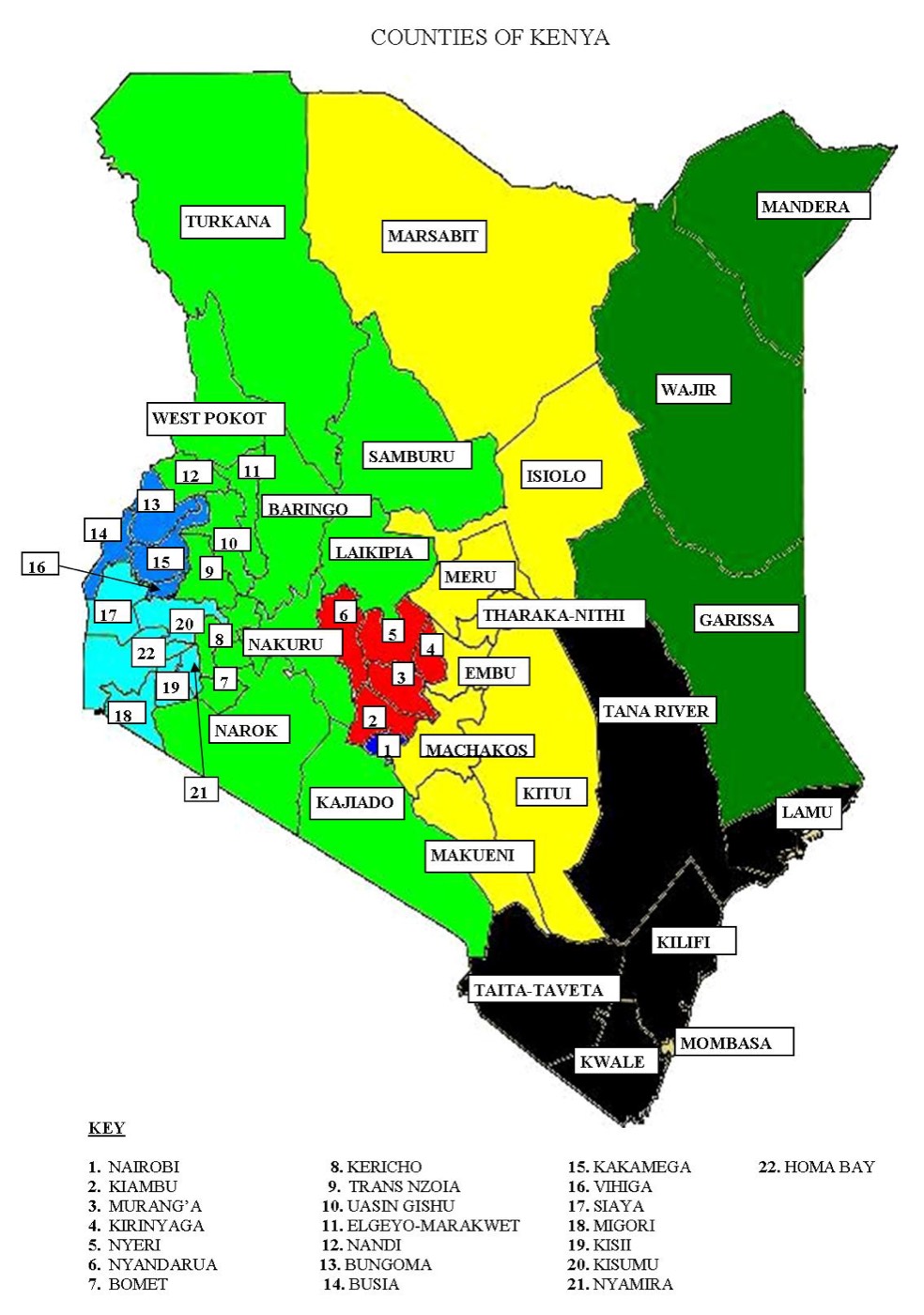
In 2022, Mount Kenya delivered decisively for the coalition that formed the government. In 2026, the same region has just returned a by-election result against that government's party by better than six to one.
Four years. Same voters, roughly. Opposite outcome.
The argument being made in the region
It is not primarily about policy, and campaigns that respond with policy are answering a question nobody asked.
The argument is about betrayal: that the region delivered a presidency, that its most senior representative was removed, and that it has been used and discarded.
Whether that is a fair account is contested and, electorally, close to irrelevant. It is a story with an emotional structure — we gave, we were taken from — and stories with that structure are extremely durable.
Why it is hard to answer
Because the available responses are weak.
"Look at the development." Roads, electrification and coffee reform are real and they are an argument about transactions, made to people who have reframed the relationship as a betrayal. Transactions do not answer betrayals.
"Your representation is intact." The government can point to a Deputy President from Mount Kenya East. The counter is that the region's own argument is now about which part of Mount Kenya, which is a smaller fight inside the same one.
"The alternative is worse." Available, and it is the argument of an incumbent with no positive case in the region.
The pattern in Kenyan politics
This is not new. Kenyan regions have swung sharply between cycles before, and the mechanism is usually the same: a region's political leadership falls out with the centre, the region follows the leadership rather than the party, and the swing is faster and larger than any policy shift would predict.
That tells you something important: the loyalty was never to the party. It was to a relationship, brokered by leaders, and relationships can be renegotiated in a way that manifestos cannot.
What this means for the 2027 arithmetic
Kenya's presidency requires more than half the national vote plus at least 25 per cent in more than half the counties.
A government ticket losing Mount Kenya heavily has to find the equivalent elsewhere. That is precisely what the arrangement with a Nyanza-based party is for, and it is why the deputy presidency has become the subject of a negotiation.
And an opposition winning Mount Kenya heavily still needs the rest of the country, which is why the unresolved question of a single opposition candidate matters more than any regional result.
What a candidate in the region should do
Whichever side you are on, the same thing: build a personal record that the national argument does not touch.
A candidate who can point, ward by ward, at problems residents raised and that were actually resolved — with dates, with the household knowing who did it — has an asset that survives a regional swing. A candidate whose entire case is a party symbol is a passenger on somebody else's argument.
That record cannot be assembled in July 2027. It has to be logged as it happens, from now, at the door, by the person who was there.
Related: Kindiki and the running-mate question.
The counter-case, stated fairly
It should be said that the region's turn is not irreversible, and there are two reasons to think so.
By-election turnout is low. A six-to-one margin among a mobilised minority is not the same as a six-to-one margin among the whole register, and nobody has tested the second.
Regional swings have reversed before. Kenyan regions have moved sharply between cycles in both directions, usually following leadership rather than policy, and leadership realignments can happen quickly.
Thirteen months is a long time in Kenyan politics, and the government has thirteen months of state resources, appointments and projects with which to make a case.
What it does not have is an easy answer to a betrayal argument, and that is the constraint that will shape the region's 2027 whatever else happens.
Frequently Asked Questions
Why has Mount Kenya turned against the government it elected in 2022?
The dominant argument in the region is one of betrayal — that it delivered a presidency, saw its most senior representative removed, and has been used and discarded. It is an emotional argument that development records do not directly answer.
How much does Mount Kenya matter to Kenya's presidential arithmetic?
Substantially. A presidential winner needs more than half the national vote plus at least 25 per cent in more than half of the 47 counties, so a ticket losing Mount Kenya heavily must find the equivalent support elsewhere.