The Numbers That Make a Losing Campaign Feel Like a Winning One
Every number in this article is real. Nobody made them up, nobody inflated them, and they can all be produced honestly.
That is exactly what makes them dangerous. A campaign does not lose because somebody lied about a figure. It loses because everybody was watching the wrong true one.
Crowd size at a rally
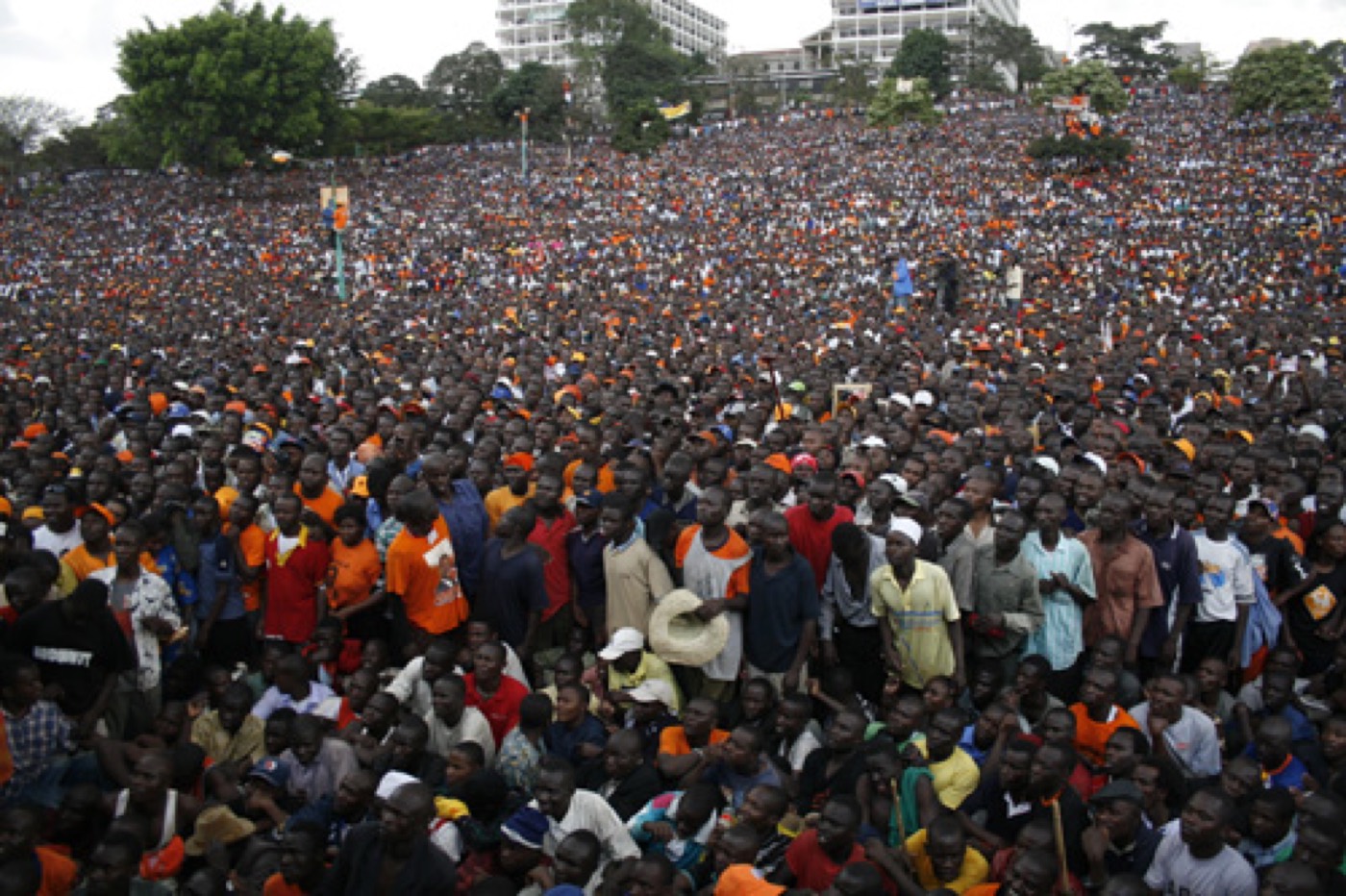
The oldest one in Kenyan politics, and the most seductive, because it is physically in front of you and it feels like evidence.
A crowd tells you that people came. It does not tell you where they are registered, whether they can vote in your race, whether they already supported you, or whether anybody wrote down a single name.
A crowd of thousands drawn from four constituencies is a smaller electoral asset than two hundred people from your own ward whose numbers you captured. The second group can be phoned in August 2027. The first cannot be phoned at all.
Related: converting a crowd into a list.
Followers, views and engagement
Online numbers are the modern version of the same error, with the added problem that the audience is national and your electorate is not.
A video with a very large view count may have reached almost nobody who can vote for you. Engagement measures how interesting the content was, which is a real skill and a real asset for a national figure, and close to irrelevant for a ward.
The useful online number is not followers. It is how many people came off the platform and into your records with a phone number and a polling station attached. That number is usually a tiny fraction of the follower count, and it is the only part that votes.
Volunteers registered
A sign-up list is a measure of interest, not of capacity.
Every campaign has a large registration total and a much smaller number of people who did something in the last fortnight. The gap is normal. Reporting the first number as though it were the second is not.
The honest version is volunteers active this week. It is a smaller, less pleasant figure, and it is the one that tells you whether you can actually knock on doors on Saturday.
Related: the volunteer nobody ever called.
Any total that only goes up
Cumulative anything. Total contacts. Total members. Total posters put up. Total meetings held since the campaign began.
These figures cannot fall, so they cannot warn you. A campaign that stopped working in March will still report a rising cumulative total in June, and everyone in the room will feel fine about it.
Every cumulative number should be reported with its weekly change beside it. The weekly change is the part that can deliver bad news, which is the only reason to look at a number at all.
The three questions that sort real from vain
Apply these to any figure before it goes on a wall.
Can it go down? A number that only rises is a record of the past, not a signal about the present. If it cannot fall, it cannot tell you to change anything.
Does it name people? Ten thousand views names nobody. Two hundred identified supporters at a named polling station names two hundred people you can contact. Only the second kind of number can be acted on by a volunteer on a Saturday morning.
Does it map to a vote? Ask what has to be true for this number to become ballots. If the chain from the number to a ballot has more than two steps and one of them is hope, it is a vanity metric.
Most figures a campaign is proud of fail at least two of these.
What survives the test is short. Four things, per ward: identified supporters added this week, contacts per active volunteer, polling streams still without an agent, and volunteers who did a task this week.
They are duller than a crowd photograph and every one of them can go down, which is the point.
Related: the full Monday list.
Do this before your next public event
Decide in advance what the event has to produce in order to have been worth it, and write the target down. Names captured with polling stations attached is a fair one.
Then measure the event against that, not against the photographs. Campaigns in 2026 that get into this habit still have it in 2027, when the difference between a good crowd and a good list is the difference between the two results.
Frequently Asked Questions
What is a vanity metric in a political campaign?
A true number that cannot change your decisions. Crowd sizes, follower counts and cumulative totals are all accurate and all fail to tell you whether the campaign is working, because they cannot fall, they name nobody you can contact, and the path from the number to an actual ballot is long and uncertain.
Do social media followers win Kenyan elections?
Followers are a national audience and your electorate is a specific ward, constituency or county, so most of a follower count cannot vote for you. The number worth tracking is how many people moved from the platform into your records with a phone number and a polling station, which is always far smaller.
How do I tell a useful campaign number from a vain one?
Ask three questions. Can it go down? Does it name individual people you could contact? And is the path from the number to a cast ballot short and concrete? A figure that fails any of them belongs in a report, not on the wall where your team makes weekly decisions.