The Opposition Convoy Stoned in Garissa, and the Pattern Behind It
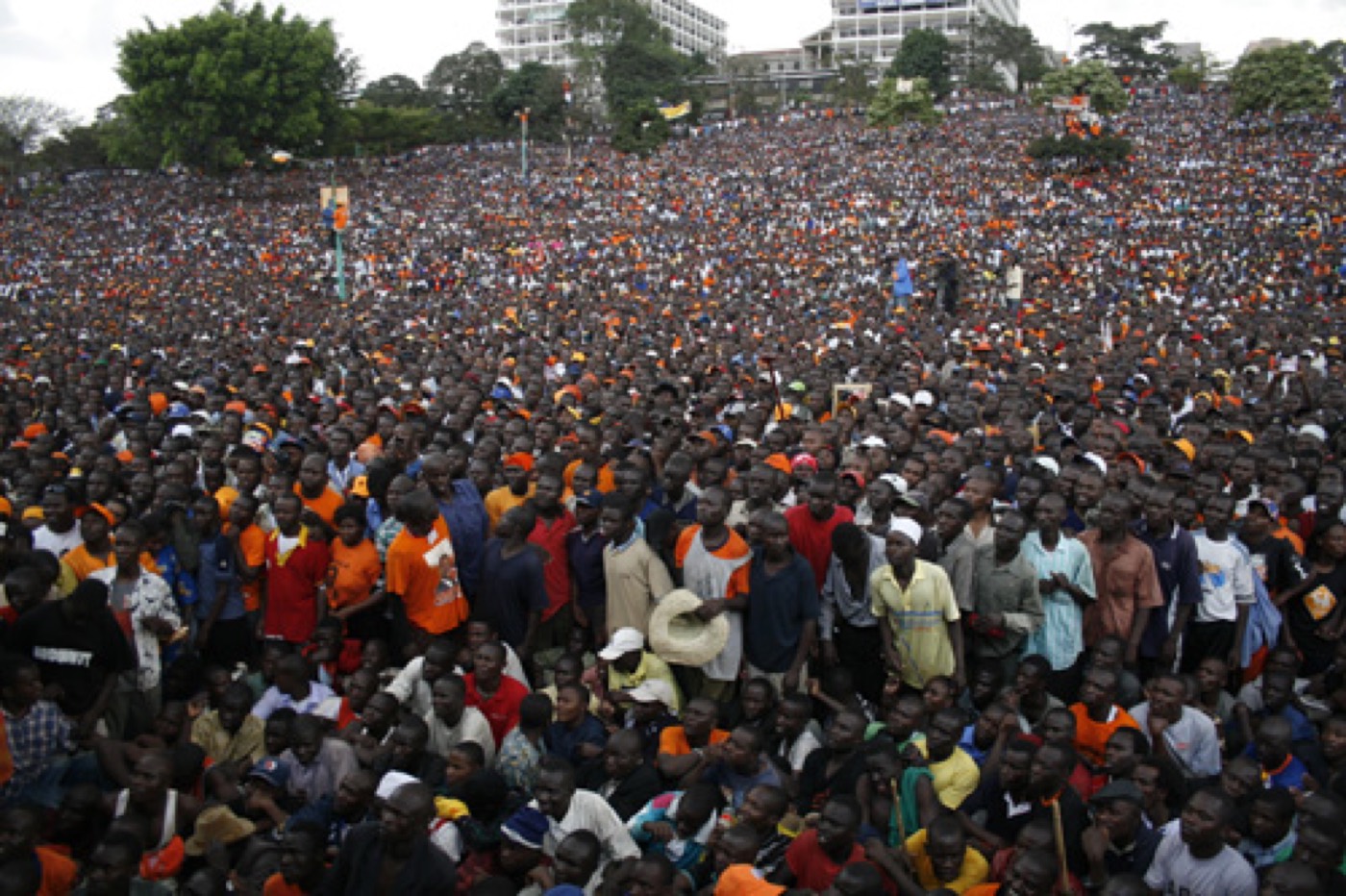
On Saturday 12 September 2026, groups of youths threw stones at the vehicles and supporters of opposition leaders Kalonzo Musyoka, Justin Muturi and Eugene Wamalwa at several stops in Garissa town, forcing them to cut their speeches short. Muturi called it an "attempted assassination". Kalonzo blamed Health Cabinet Secretary Aden Duale (Garissa Township), an allegation that has not been tested anywhere. It happened on the same day two men died at a ruling-party meeting in Embu, and it fits a run of attacks on political gatherings that Human Rights Watch had documented the day before.
What happened in Garissa
The rally was part of the united opposition's push into North Eastern. On the trip were Kalonzo, who leads the Wiper Patriotic Front, Muturi of the Democratic Party, Wamalwa of the Democratic Action Party of Kenya (DAP-K), and MPs Robert Mbui (Kathiani), Julius Mawathe (Embakasi South) and Mohamed Ali (Nyali).
People Daily reported that about 50 youths, working in separate groups, began stoning the gathering, and leaders and supporters ran for their cars. Citizen Digital described rival groups clashing. Several vehicles were damaged, among them Muturi's, whose windscreen was reported partly shattered. No deaths were reported from Garissa.
The accusation against Duale
Kalonzo named the Cabinet Secretary directly. "CS Duale is my neighbour back in Nairobi and I fail to understand why he has sent youths to throw stones at us here in Garissa," he said, as reported by Citizen Digital and the Daily Nation.
That is Kalonzo's claim. No police statement, arrest or charge had linked Duale to the attack as of 23 September 2026, and BallotWinners found no public response from Duale to the accusation in the reports it read. Garissa is his home county, where he was elected MP before joining the Cabinet.
Muturi, the former Attorney General, asked Inspector-General of Police Douglas Kanja to find out who organised the attack. "The attack on opposition leaders in Garissa is a grave matter that must not be taken lightly," he said. The next day, 13 September, the group attended Mass at St Francis of Assisi Catholic Church in Hola, Tana River, where Muturi repeated the assassination charge.
The same day in Embu
A few hundred kilometres away, a United Democratic Alliance (UDA) meeting of polling-centre officials chaired by Deputy President Kithure Kindiki at Nembure Stadium in Embu broke down. Two men died, which the Independent Policing Oversight Authority said was from gunshot wounds, and six vehicles were torched. Kindiki blamed Gitonga Mukunji (Manyatta), who went to court and got anticipatory bail. That story is set out in two men died at a UDA meeting in Embu.
So on one Saturday, a government meeting and an opposition rally both ended in violence. People Daily reported that Kalonzo afterwards questioned the state of security in the country, citing both.
The pattern
Garissa was not a one-off. On 11 September 2026, the day before, Human Rights Watch published an account of organised gang attacks on civic and opposition events in Nairobi, Nyandarua, Kisumu and Homa Bay since June. It counted at least six people killed and dozens injured. The first case it listed was on 12 June, when about 100 men forced their way into a civil society meeting at All Saints Cathedral in Nairobi, beat participants and took their phones and bags.
HRW interviewed 22 people between 30 August and 9 September, including journalists, opposition members and a commissioner of the Kenya National Human Rights Commission. It said the authorities did not appear to have taken meaningful steps to hold anyone to account.
Other incidents from the same stretch:
- 16 August, Homa Bay: the Linda Mwananchi tour was disrupted by violence, and police arrested 37 suspected gang members.
- 12 September, Embu: the Nembure Stadium deaths, above.
- 12 September, Garissa: the stoning.
Not every gathering went that way. On 13 September Edwin Sifuna (Senator, Nairobi) led a large Linda Mwananchi rally at Jacaranda Grounds that passed off calmly under heavy police presence, and police praised it as peaceful.
The Kenya National Human Rights Commission has been keeping its own count, covered in KNCHR has logged three months of political violence, and the money that pays hired crowds is the subject of Kenya's market in political violence.
What the law says, and who acts
Violence and intimidation at political meetings are offences, and the agencies are the police and the Directorate of Criminal Investigations, with the Director of Public Prosecutions deciding on charges. On 10 August 2026 DPP Renson Ingonga announced a dedicated division to prosecute election offences. The legal detail is in election violence in Kenya: what counts as an offence.
On 14 September, two days after Garissa and Embu, party leaders at the National Cohesion and Integration Commission's peace conference in Nairobi signed a joint communique against violence, hate speech and hired goons.
What to watch
Whether the police name or charge anyone over Garissa, as they did in Embu, where the DCI made three arrests within two days. Whether Duale answers Kalonzo in public. And whether the united opposition returns to North Eastern, where Garissa's own races are already moving: former governor Ali Korane has launched a comeback bid on UDA, according to The Standard.
Frequently Asked Questions
What happened at the opposition rally in Garissa?
On 12 September 2026 groups of youths stoned the vehicles and supporters of Kalonzo Musyoka, Justin Muturi and Eugene Wamalwa at several stops in Garissa, forcing them to end their speeches. Several vehicles were damaged, including Muturi's.
Who did Kalonzo blame for the Garissa attack?
Kalonzo accused Health Cabinet Secretary Aden Duale of sending the youths. It is an allegation; no police finding or charge had linked Duale to the attack as of 23 September 2026.
How many people have died in political violence in Kenya in 2026?
Human Rights Watch reported on 11 September 2026 that attacks on civic and opposition events since June had killed at least six people. Separately, two men died at a UDA meeting in Embu on 12 September 2026.