Parties Face a Gender Rule Headache in the IEBC Bill
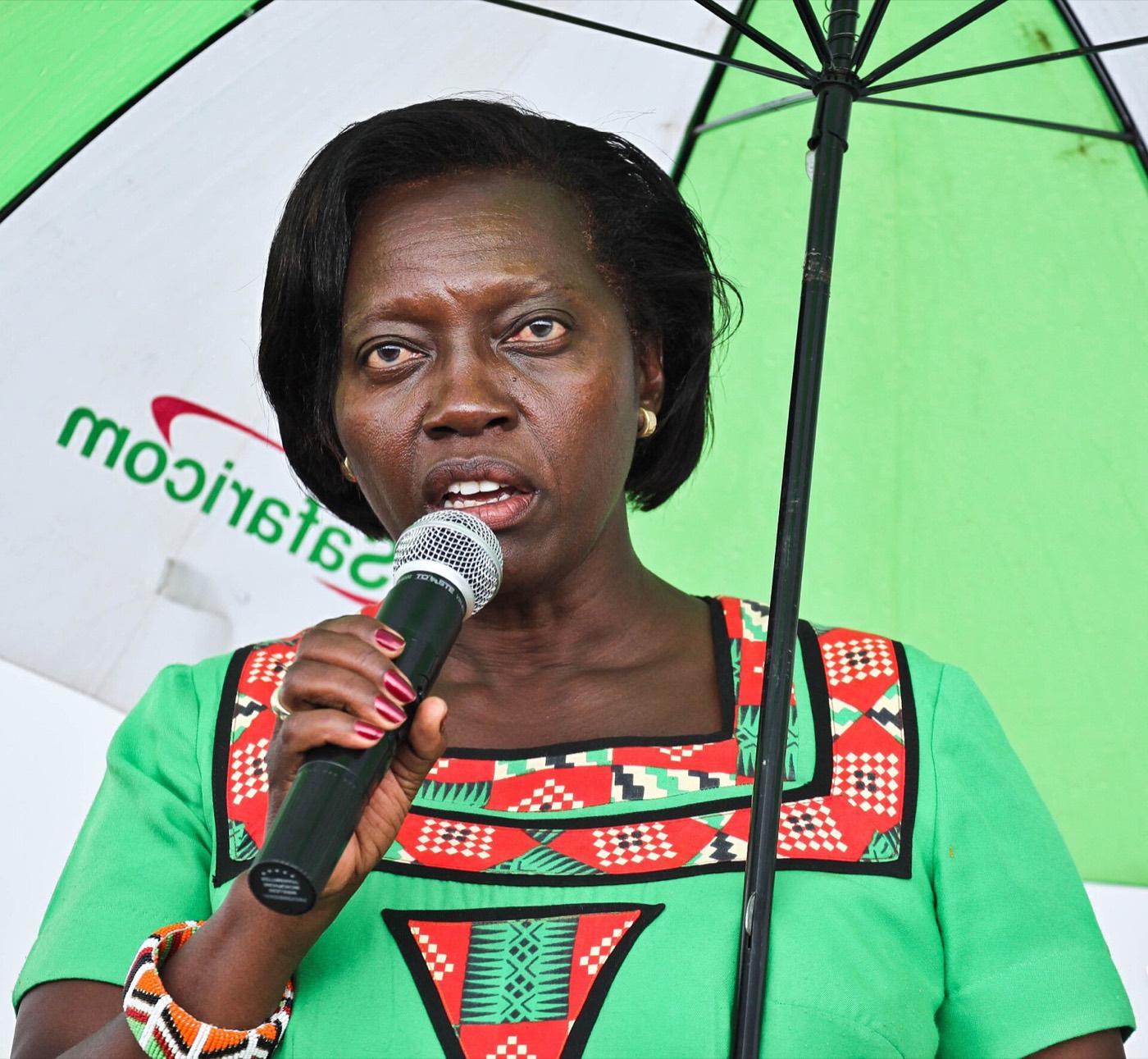
Kenyan political parties would be compelled to field significantly more women in the 2027 general election under electoral reforms seeking to implement the two-thirds gender rule.
The Election Laws (Amendment) Bill, 2026 shifts the burden from topping up Parliament after elections to political parties before Kenyans vote: every party would be required to ensure that not more than two-thirds of its candidates for Parliament are of the same gender.
Kenyan reporting has described parties as facing a headache over exactly this provision, which is a polite way of saying they do not want it.
Why the mechanism change matters
Sixteen years and more than ten legislative attempts have failed to implement the two-thirds rule. Almost all of those attempts approached it the same way: add seats after an election to correct the imbalance, an approach repeatedly dismissed as costly.
Moving the obligation to the nomination stage is different because it costs nothing in public money and everything in party discretion. It does not expand Parliament; it constrains who parties may put forward.
That is why it has a chance of passing and why parties resist it.
What it would actually require
Consider the arithmetic. A party fielding 290 parliamentary candidates would need at least 97 of them to be women.
Most Kenyan parties do not currently field anywhere near that proportion in directly elected seats. Meeting it would mean either recruiting substantially more women aspirants or declining to nominate some men who expect nominations.
The second is the real difficulty. Nomination is a scarce good distributed to people with expectations, and a quota means somebody who expected a ticket does not get one.
The accompanying proposal
A Political Parties (Amendment) Bill has proposed creating a Women Inclusion and Political Participation Fund, administered separately from the Political Parties Fund, to support education, training, mentorship and capacity building for women seeking elective positions.
That addresses capacity. It does not address campaign finance, which is the larger obstacle Kenyan women candidates report — nor political violence, which is a documented reason capable people decline to stand.
What this means for a woman aspirant right now
A narrow and time-limited opportunity, and it rewards preparation rather than availability.
If the reform passes, nomination boards will be looking, on a compressed timetable between the certification of rules on 30 October 2026 and the conclusion of primaries on 8 May 2027, for women candidates who can win seats. A quota filled with candidates who lose costs a party seats, so the question they will be asking is about electability.
The answer to that question is structure: named ward coordinators, a live volunteer roster with completed tasks, members recruited, agent recruitment under way, a record of household contact.
A woman aspirant who can show that in early 2027 is exactly who a board under a quota needs to find. One who becomes available when the rule changes is a name on a list.
Build it now, because it is the right move whether or not the bill passes.
Related: the gender rule in full.
Where the women who could win are
A practical point for any party that ends up needing candidates quickly.
They are already in local politics: serving MCAs, ward-level party officials, women's group and chama leaders, market association officials, church and community organisers, and former county officers. These are people with existing networks, demonstrated organising ability and local standing.
What they generally lack is not capability. It is capital, and the expectation that they will be considered.
A party serious about meeting a quota with winnable candidates would identify those people now, in every county, and support them through membership recruitment and ward organisation across the coming months — so that by April 2027 the electability question answers itself.
A party that waits until the rule passes will be looking for names in March and will find whoever is available, which is how quotas acquire their reputation.
Frequently Asked Questions
What would the Election Laws (Amendment) Bill 2026 require?
That no more than two-thirds of a political party's candidates for Parliament be of the same gender, shifting the burden of gender balance from topping up Parliament after an election to party nominations before it.
Why do Kenyan parties resist a nomination gender quota?
Because nominations are a scarce good distributed to people with expectations. Meeting a quota would mean either recruiting substantially more women aspirants or declining to nominate men who expect tickets.