The Two-Thirds Gender Rule Would Change Who Parties Nominate in 2027
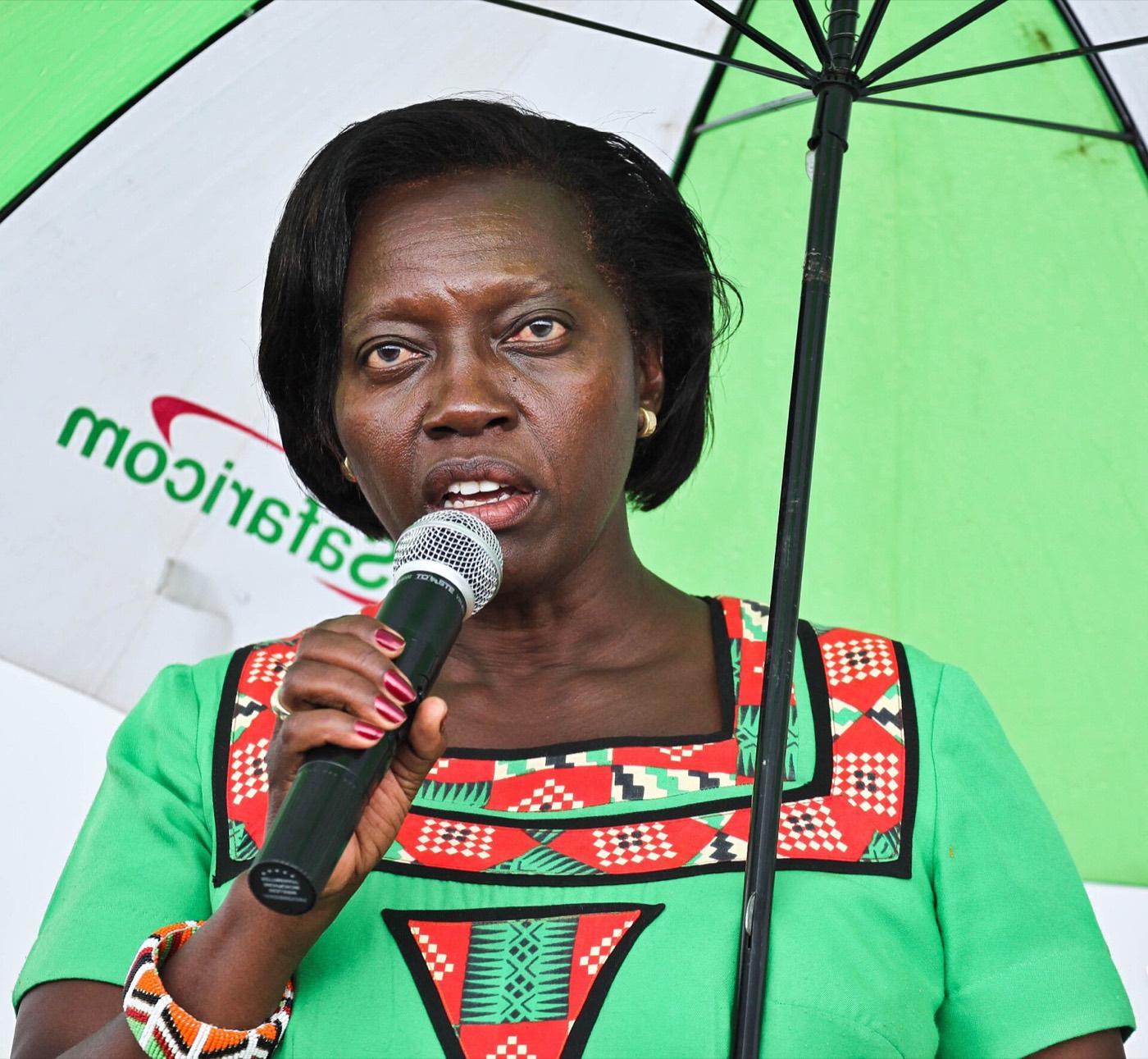
Kenya's Constitution has required, since 2010, that no more than two-thirds of the members of any elective public body be of the same gender.
Sixteen years and more than ten legislative attempts later, Parliament has not implemented it.
What is different about the current proposal
The Election Laws (Amendment) Bill, 2026 takes a different approach from the attempts that failed. Instead of topping up Parliament after an election — the approach repeatedly dismissed as costly — it shifts the burden onto political parties, before the vote.
Under the proposal, every political party would be required to ensure that not more than two-thirds of its candidates for Parliament are of the same gender.
A separate Political Parties (Amendment) Bill proposes creating a Women Inclusion and Political Participation Fund, administered separately from the Political Parties Fund, to support education, training, mentorship and capacity building for women seeking elective office.
Reporting through 2026 has described a fresh push with momentum behind it, and has noted that parties face a genuine headache in the IEBC bill over exactly this requirement.
Why the change of mechanism matters
Because it converts a constitutional aspiration into a nomination requirement with a deadline.
A party that must field at least a third women across its parliamentary candidates has to identify those candidates during the nomination process — which for 2027 means between the certification of nomination rules on 30 October 2026 and the conclusion of primaries on 8 May 2027.
That is a real, dated, operational problem for every party in the country.
What it would mean for a woman aspirant
A specific and time-limited advantage, and it is worth being clear-eyed about its shape.
Party nomination boards operating under a quota do not want any women candidates. They want women candidates who can win, because a quota filled with candidates who lose costs the party seats.
So the question those boards will be asking in early 2027 is: which women in this county can actually take a seat?
The answer will be found by looking at who has structure. A woman aspirant who can show forty named ward coordinators, a live volunteer roster with completed tasks, agent recruitment under way and a record of household contact is answering that question before it is asked.
A woman aspirant who becomes available in March 2027 is a name on a list.
The obstacles the bill does not remove
Two, and neither is legislative.
Cost. Kenyan campaigns are expensive and women aspirants have historically faced greater difficulty raising money. The proposed Women Inclusion Fund is aimed at capacity rather than campaign finance, so this remains.
Violence. MarthaMartha Karuattacked at Mukuru kwa Reuben and condemned it publicly. The KNCHR spent mid-2026 documenting rising political violence, and women candidates carry a distinct share of it. It is a documented reason capable people do not stand, and no quota addresses it.
Karua herself, speaking at a Kenya Women Parliamentarians meeting in Nairobi on 17 August 2026, urged women leaders to focus on competence and to treat rivals with respect — which is a rebuke aimed at the politics as much as at the law.
What to do while the bill is pending
Do not wait for it. That is the only sensible position, because more than ten previous attempts have failed and this one may too.
But if it passes, the parties will need candidates fast, and the people they find will be the ones already visible. Building a ward structure in late 2026 is the right move whether or not the bill becomes law — which is what makes it an easy decision.
Related: Martha Karua's 2027 case.
Frequently Asked Questions
What is Kenya's two-thirds gender rule?
A constitutional requirement, in force since 2010, that no more than two-thirds of the members of any elective public body may be of the same gender. Parliament has failed to implement it despite more than ten legislative attempts.
What does the Election Laws (Amendment) Bill 2026 propose?
It shifts the burden of gender balance from topping up Parliament after an election to political parties before it, requiring that no more than two-thirds of a party's parliamentary candidates be of the same gender.
What is the proposed Women Inclusion and Political Participation Fund?
A fund proposed under the Political Parties (Amendment) Bill, administered separately from the Political Parties Fund, to support education, training, mentorship and capacity building for women seeking elective positions.