Party Primaries in 2027: What Happens on 8 April, 16 April and 8 May
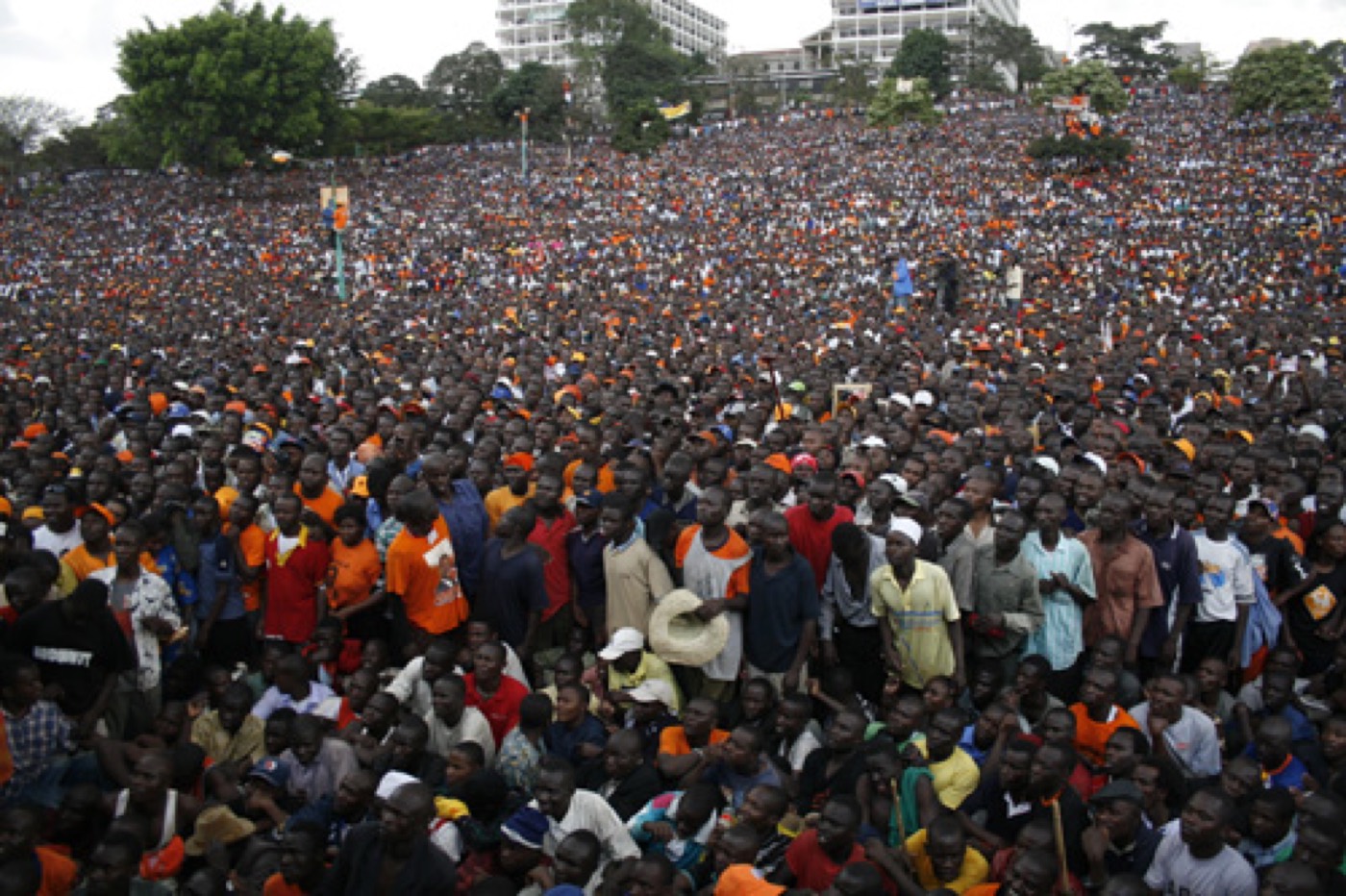
Kenyan party primaries are where most elections are actually decided, and they run on a timetable almost nobody outside party headquarters knows.
For 2027, three dates:
8 April 2027 — parties publish the names of their primary aspirants, plus the dates and venues of the primaries themselves.
16 April 2027 — the IEBC gazettes those contestants.
8 May 2027 — primaries must be complete and internal disputes resolved.
Thirty days, from published list to settled ticket, for every seat in the country.
What each date really means for you
8 April: the list is the gate
If your name is not on your party's published list, you are not in the primary. This sounds obvious. It is the single most common way an aspirant is removed — not by losing, but by a list.
Getting on the list requires that you are a member of the party (correctly recorded, with the right ID), that you have paid whatever nomination fee the rules specify, and that you have filed whatever the rules require by whatever internal deadline the party set. Those internal deadlines are earlier than 8 April and they are not published nationally.
Ask your party, in writing, for its internal aspirant-filing deadline. Do it in January.
16 April: the IEBC now knows who you are
Gazettement is what makes the contest formal. After this, changing the field is harder and more visible.
8 May: the wall
Everything must be finished. Primary held, result declared, dispute heard and determined. This same date is the last day to leave a party and file as an independent.
Which produces the trap: if your primary is held on 5 May and you believe it was rigged, you have three days to run an internal dispute and decide whether to go independent. In practice you cannot do both. Aspirants who plan for this pick their fallback before the primary, not after.
Where the squeeze happens
Kenyan reporting through 2026 has documented aspirants in several major parties — Wiper Patriotic Front, Ford Kenya and ODM among them — raising the same three complaints:
Pre-endorsement. Senior officials publicly backing one aspirant before the primary, which the others read, correctly, as the result being announced early.
Zoning. Coalition partners agreeing that a seat "belongs" to one party, removing it from open competition. If your seat has been zoned to a partner, your primary may not happen at all.
Method switching. Rules that permit consensus or a National Elections Board decision "where appropriate" let a party swap out a direct vote it expects to lose. This is why the rules certified on 30 October 2026 matter more than the primary itself.
What actually protects an aspirant
Not appeals. Appeals are slow and the calendar is short.
What protects you is being expensive to remove. A party that passes over an aspirant with forty named ward coordinators, a documented volunteer roster and a visible turnout operation is choosing to lose that structure — and in a close county, it knows it.
So the work that wins a primary is the work you do in the eighteen months before it: recruiting real people, giving them real tasks, and being able to show, on one screen, that they did them. That is what BallotWinners exists to make possible for a ward campaign running on a phone, and it is a materially better argument in a nomination meeting than a good speech.
Put agents at your own primary
Here is a piece of advice almost nobody gives, and it wins primaries.
A party primary is an election. It has polling points, ballot papers or registers, counting and a declaration. Every failure mode of a general election exists in a primary, usually with less oversight and no IEBC.
So: name an agent for every primary polling point, brief them, and have them capture the result at the point where it is declared. Campaigns that lose primaries frequently lose them at the tallying stage, and the ones that can prove what happened are the ones that had somebody there with a photograph.
The people you use for this are the same people you will use on 10 August 2027. Running your primary properly is a rehearsal you get paid for.
The week after
Whatever the result, two things happen in the week after your primary and both have deadlines.
If you won, your details go to the party for its list to the IEBC. Check them yourself. Names and ID numbers get transcribed wrongly and the person who suffers is you.
If you lost, your internal dispute and any decision to run independent both have to fit before 8 May 2027 — which, if your primary was held in the first week of May, means they do not fit at all.
Frequently Asked Questions
When must Kenyan parties hold their 2027 primaries?
Parties must publish aspirants, dates and venues by 8 April 2027, the IEBC gazettes contestants by 16 April, and all primaries and internal disputes must be concluded by 8 May 2027.
What happens if I lose a party primary in 2027?
Your internal dispute must be resolved by 8 May 2027, which is also the last day to leave your party and file as an independent, so aspirants should decide their fallback before the primary rather than after.
What is zoning in Kenyan party primaries?
Zoning is a coalition arrangement under which partner parties agree that particular seats will be contested by only one of them, which can remove a seat from open primary competition entirely.