Polling Day Transport Fails in Three Ways. Plan for All Three.
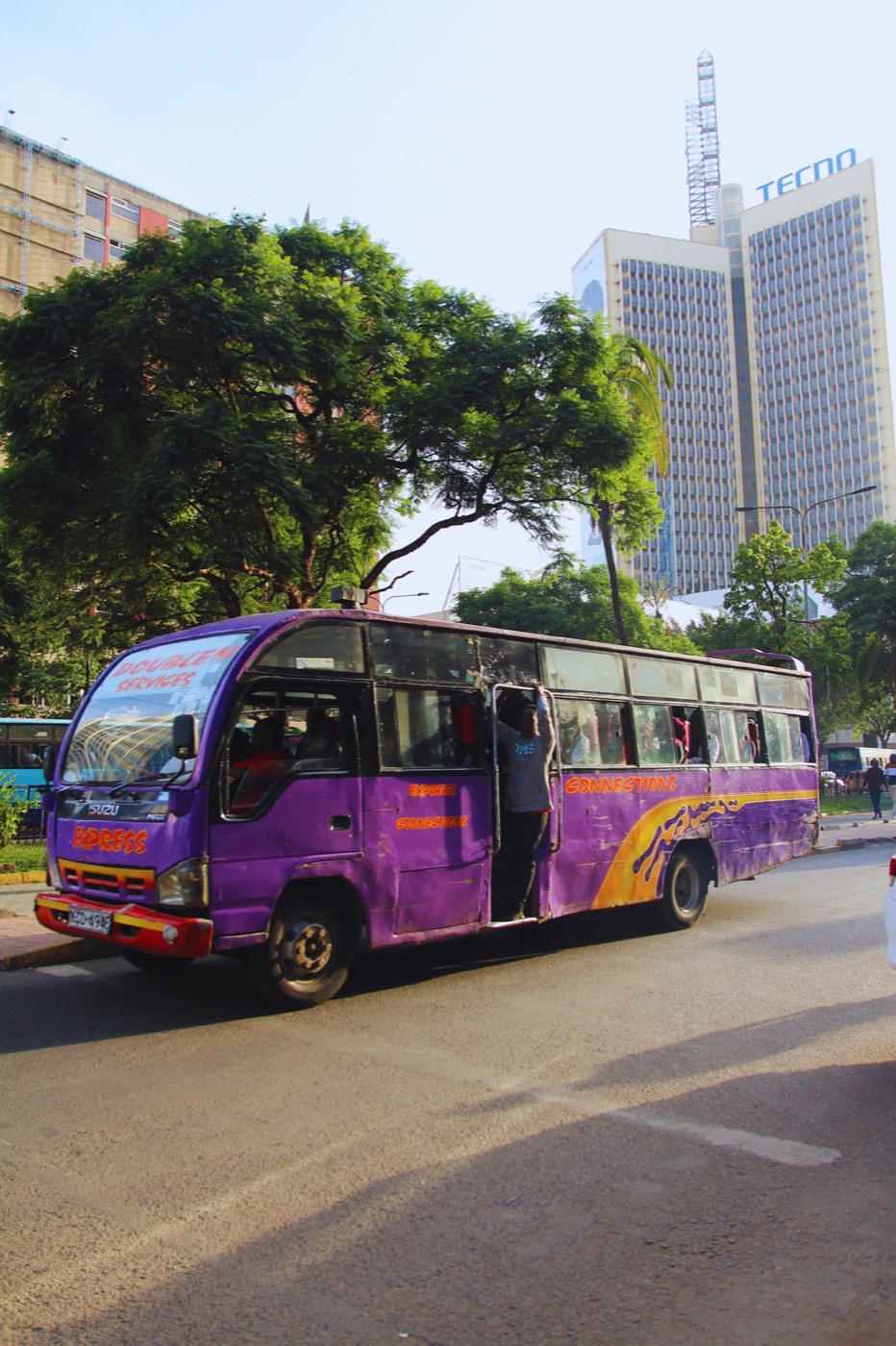
Transport is the part of polling day that looks solved on a spreadsheet and is not.
On the sheet you have vehicles, wards and departure times. On the day you have a driver who took a better offer, a road nobody in your team has actually driven, and thirty agents finishing a count at an hour when nothing is moving. Each of those is a separate failure with a separate fix.
Failure one: the vehicle that was never really yours
A verbal agreement with a driver is not a transport plan. It is a hope with a phone number attached.
On 10 August 2027 every campaign in your constituency wants vehicles on the same morning, and the price of a day's hire is set by that. A driver who agreed in July is a driver who can be outbid in August, and you will find out at 5am.
What fixes it is boring and it works. Book in writing, well ahead. Pay a deposit so that walking away costs the driver something. Confirm the day before, by voice, with the driver rather than the broker. And hold reserve vehicles at ward level, because a spare in the wrong ward is not a spare.
Name a person, not a role, against every vehicle. Vehicles that belong to everybody are driven by nobody.
Failure two: the stretch nobody drove before the day
Your movement plan is built from a map. Maps do not tell you that the approach to a station is impassable to a saloon car, that the gate you assumed is locked, or that the last stretch is genuinely walkable only if you know which path.
Send somebody to drive every route before polling day and time it. Not estimate it. Drive it, and write down the real number of minutes, with the parking spot named and the walk described.
In many wards the honest answer for the last stretch is a boda boda or your own two feet, and it is far better to know that in 2026 than to discover it with an agent in the back seat and a station about to open.
Related: the schedule the transport plan has to serve.
Failure three: the return leg, which nobody budgets
Almost every campaign plans the morning and forgets the night.
Your agents stay through the count. When they finish, they are carrying the single most valuable document your campaign holds, they are tired, and public transport in most places has stopped. A campaign that has not arranged the return leg has just asked its most important witnesses to find their own way home in the dark.
Plan the night as its own operation, with its own vehicles and its own drivers who have not been working since 5am. Agree a collection point per ward rather than a pickup per station. And decide in advance where the signed copies go, so nobody is carrying documents around at midnight looking for somebody to hand them to.
Related: keeping your agents safe through the day.
The line you do not cross, whatever the pressure
Your vehicles move your team. They do not move voters.
Under Kenya's election law, transport offered to voters is treated with deep suspicion for an obvious reason: it is one of the oldest ways of dressing up an inducement. Fare given at a rally, a hired matatu circulating a ward on polling day, a pickup collecting people from a particular estate. All of it invites a bribery allegation you will spend months answering, and the Election Offences Act 2016 exists precisely for that conduct.
So write the rule into your transport document in one line, and repeat it at the final briefing. Our vehicles carry named members of this campaign, on a written list, to and from their assigned duty. Nobody else, on any day.
That rule also protects your operation from itself. A vehicle diverted to carry six neighbours is a vehicle that is not collecting the replacement agent for a stream that is currently unwitnessed.
What actually drives your transport cost
Not the number of wards. Four things, and you control three of them.
Distance and terrain, which you cannot change but can measure.
The number of separate stations you must reach, which is fixed by your stream list.
How early you book, which decides whether you pay a normal rate or a polling day rate.
Whether you planned the night, because emergency transport at midnight costs several times what the same trip costs if arranged a month ahead.
Do this before the end of 2026
Build a vehicle sheet with one row per vehicle: driver name, phone number, ward, the route it runs, the agents it carries, the deposit paid, and who confirms it the day before.
Then drive one full route yourself, with a stopwatch. The gap between the time you assumed and the time it takes is the size of the problem you would otherwise have met on the morning of 10 August 2027.
Frequently Asked Questions
Can a Kenyan campaign transport voters to polling stations?
Treat it as something to avoid entirely. Transport offered to voters is one of the classic forms of inducement and invites a bribery allegation under the Election Offences Act 2016. The safe rule, written into your transport plan, is that campaign vehicles carry named members of the campaign on a written list to and from assigned duty, and nobody else.
Why does the return journey matter so much after polling closes?
Because your agents finish the count carrying the signed copies of the results forms, at an hour when public transport in most places has stopped. A campaign that has not arranged the night leg has left its most important documents with tired people who are looking for a lift. Plan the night as a separate operation with fresh drivers and a collection point per ward.
How far ahead should campaign vehicles be booked for polling day?
Months, in writing, with a deposit. Every campaign in your area wants vehicles on the same morning, so a verbal agreement made in July can be outbid in August and you will find out at 5am. Confirm by voice with the actual driver the day before, not with a broker.