Saba Saba 2026: Heavy Policing, Small Crowds, Unfinished Business
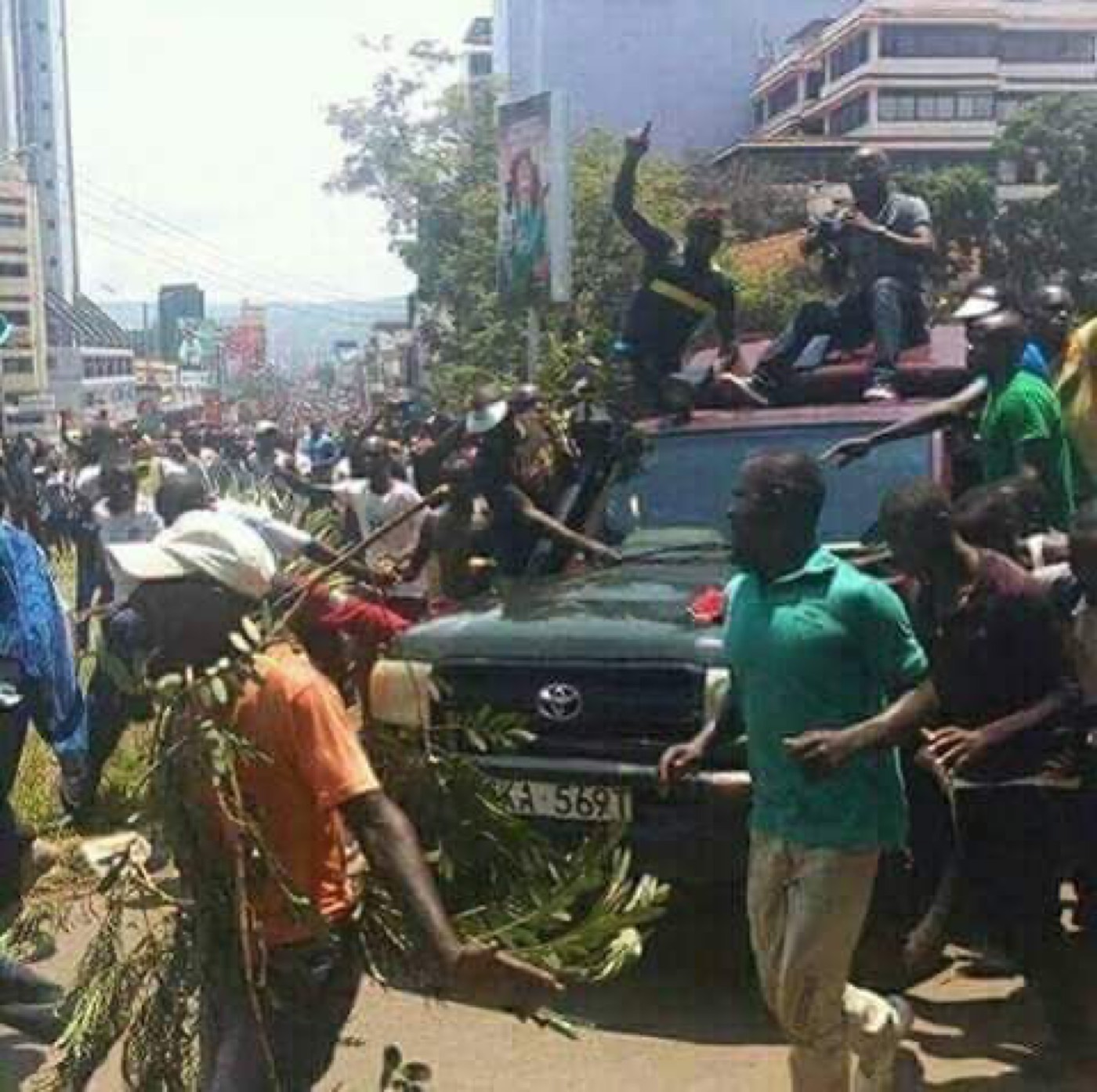
Saba Saba 2026 has passed. Heavy police deployments and protest bans marked the day, and while fear kept crowds small, activists insisted the fight for justice is far from over.
Many Kenyans continue to describe the anniversary as a powerful symbol of the country's unfinished democratic journey.
What small turnout means, and what it does not
It does not mean the grievances went away. Cost of living, unemployment, police conduct and accountability for the missing are all exactly where they were on 6 July.
It does not mean people changed their minds. Reporting through the 2026 protest period consistently described exhaustion rather than conversion — people who still believe what they believed and have concluded that the street is not producing results.
It does mean the tactic has hit a limit. A movement that mobilised hundreds of thousands in 2024 and thousands in 2026 has run into a genuine strategic problem, and pretending otherwise helps nobody.
The two ways this goes from here
Energy moves into the electoral system. Registration, candidacies, ward organisation, a party or an independent run. This is slower, less satisfying, and the only route that produces institutional change.
Energy dissipates. People conclude that neither protest nor voting works, disengage, and the political class returns to a smaller, more manageable electorate.
The second is the default outcome and it requires nobody to do anything.
The registration argument, stated plainly
Kenya's turnout has fallen from about 86 per cent in 2013 to 78 in 2017 to 64.77 in 2022. In 2022 close to eight million registered voters did not vote.
Meanwhile the IEBC is targeting a register of 28.5 million by 2027 and the 18-to-20 age group is the lowest-performing in registration.
Put those together and the arithmetic is stark: the generation that demonstrated it could shut down a capital city is the generation least represented on the register. That is not a moral failing. It is a consequence of a political system that has given young Kenyans very little reason to believe registration is worth the queue.
But it is also, precisely, the thing that makes the political class able to ignore them.
What would change it
Not a slogan. A person.
The registration initiative that has moved Gen Z numbers most in this cycle was youth-led, peer-distributed and framed as a challenge rather than a civic duty. It worked because somebody's friend asked them, not because an institution told them.
For any campaign, movement or candidate: the highest-return activity available in the second half of 2026 is helping young people register and recording who did it. A registered supporter is a vote. An unregistered one is a sentiment, and sentiment does not appear on Form 34A.
Related: protest is not a turnout strategy.
What "unfinished" specifically means
Three items, all of them concrete rather than atmospheric.
A law against enforced disappearance. Kenya has no statute that specifically defines and punishes it, which shapes every case brought about the missing.
Accountability for the protest deaths. Rights groups have documented substantial numbers of cases; the question of responsibility remains substantially unresolved.
A functioning police oversight chain. The oversight authority investigates and refers; prosecution and discipline sit elsewhere, and non-cooperation from officers has been reported.
Those are legislative and institutional questions with identifiable addresses. They are not resolved by a march and they are not resolved by its absence either — which is precisely the argument for the electoral route.
The commemoration risk
A day that becomes purely commemorative loses its function.
Saba Saba worked in 1990 because it was a demand attached to a specific, achievable objective: repeal Section 2A. It was concrete, it was within Parliament's power, and it was achieved.
Anniversaries organised around remembering rather than demanding tend to shrink, because the people who show up are the people who were already convinced and there is nothing to win.
The 2026 petition to Parliament was an attempt to attach a demand — a law, an inquiry, an oversight mechanism. Whether the day stays political or becomes ceremonial depends largely on whether anybody chases that petition.
Frequently Asked Questions
What happened on Saba Saba 2026 in Kenya?
The day was marked by heavy police deployments and protest bans, with fear keeping crowds small. Activists maintained that the underlying demands on justice and accountability remain unresolved.
Does low protest turnout mean Kenyans have given up?
Reporting through 2026 described exhaustion rather than changed minds. The underlying grievances on cost of living, unemployment and police accountability remain, but confidence in street protest as the route to addressing them has weakened.