Saba Saba Is on Tuesday. Here's What It Commemorates.
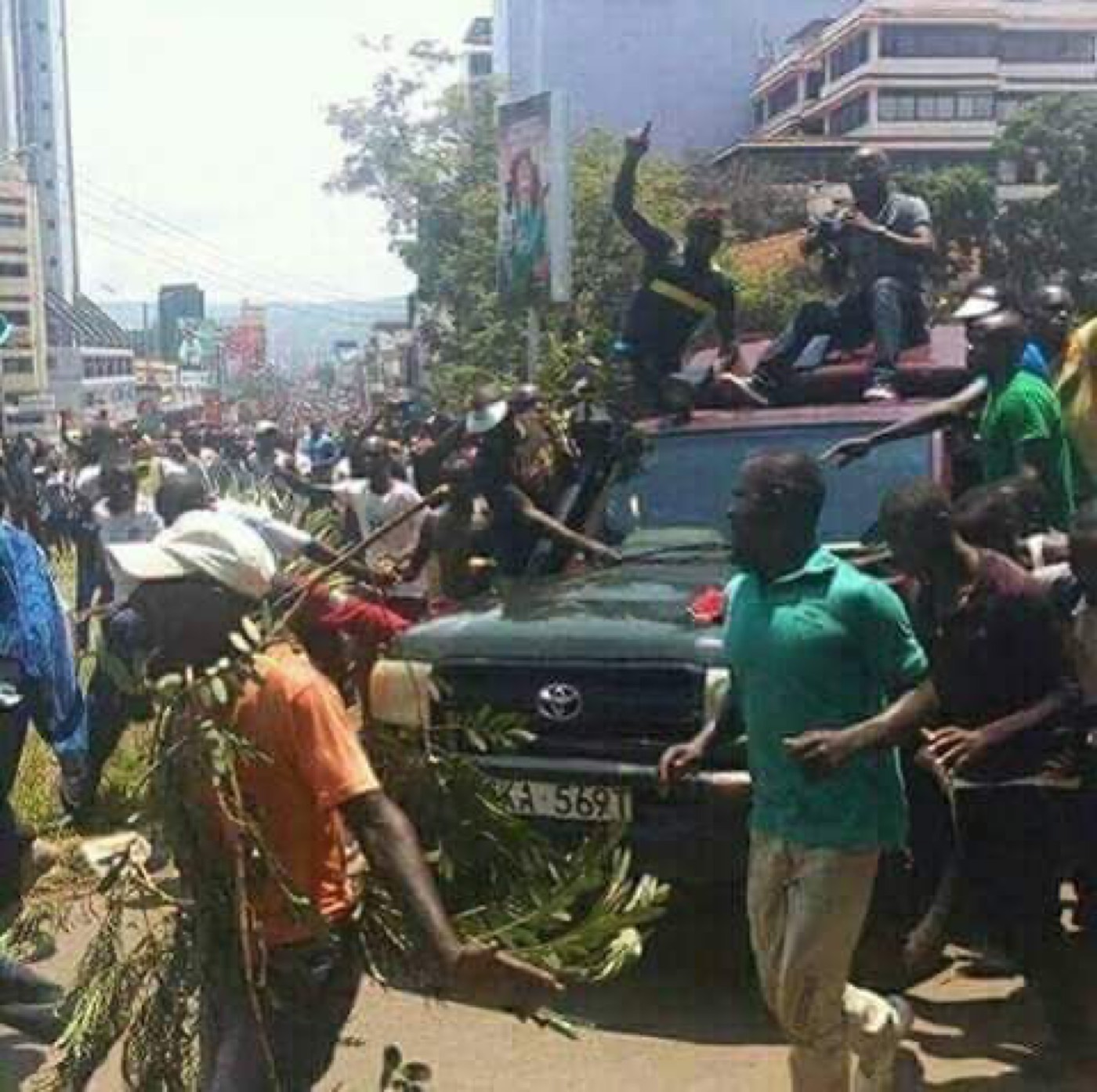
Kenya is on heightened alert ahead of Saba Saba on Tuesday, with activists planning demonstrations to commemorate the country's pro-democracy movement while pressing for action on governance, accountability and police reform.
Before Tuesday, it is worth being clear what the day is, because a large share of the commentary treats it as an extension of the 2024 protests. It is not.
Saba Saba means "seven seven"
On 7 July 1990, Kenyans gathered at Kamukunji grounds in Nairobi to demand an end to single-party rule under Section 2A of the Constitution.
The rally was banned. Leaders were detained. People were killed and many more arrested. And it worked: within two years the constitutional bar on multiparty politics was repealed, and Kenya held its first multiparty election since independence in 1992.
Almost every subsequent expansion of Kenyan political freedom traces back to that period. The 2010 Constitution — devolution, the Bill of Rights, the two-term limit, an independent judiciary — is downstream of it.
Why the date keeps being reclaimed
Because it is the one day in the Kenyan calendar that belongs to citizens rather than to the state.
Independence day, Mashujaa day and Jamhuri day are official. Saba Saba was never granted; it was taken, and it commemorates the act of taking. That makes it available to every subsequent generation with a demand, which is why it has been used by so many different movements over thirty-six years.
One activist has gone as far as declaring 7 July a public holiday, which is itself a very Saba Saba thing to do.
What is being asked for in 2026
The petition being taken to Parliament seeks parliamentary intervention on alleged extrajudicial killings and enforced disappearances, on excessive use of force by security officers, on strengthening police accountability and oversight, and on the protection and enforcement of constitutional rights.
Those are specific, addressable demands directed at the institution constitutionally responsible for oversight.
Why this belongs on an elections blog
Because everything the 1990 movement won is the framework the 2027 election will be conducted inside.
Multiparty competition. A Bill of Rights. Devolved government with 47 county elections. A two-term limit. An independent electoral commission. A judiciary that has annulled a presidential election.
None of that existed in 1989. All of it exists because of a sequence of events that began with a banned rally at Kamukunji.
It is worth remembering that when the 2027 campaign becomes exhausting, which it will. The right to have this argument at all was not always available.
For campaigns
Two things.
Do not appropriate the day. It has survived thirty-six years of politicians trying, and Kenyans are practised at spotting it.
Take the demands seriously. Police accountability and the missing are not protest slogans. They are the live governance questions of this cycle, and a campaign with nothing specific to say about them is telling voters something.
The people the day is named for
Saba Saba is usually described in terms of institutions — the repeal of Section 2A, the return of multiparty politics. It is worth remembering that it was people.
Those who called for the 1990 rally were detained. Others were killed. Many more were arrested, lost jobs, or spent years in exile. The constitutional changes that followed were not granted; they were extracted at a cost paid by identifiable individuals, most of whom are not household names.
That is worth holding onto in an election cycle, because the framework the 2027 campaign runs inside — competitive parties, a Bill of Rights, devolved government, an independent commission, courts that have annulled a presidential election — is the product of that cost.
Related: what the law says about protest.
Frequently Asked Questions
What is Saba Saba in Kenya?
Saba Saba means 'seven seven' and commemorates 7 July 1990, when Kenyans gathered at Kamukunji in Nairobi to demand an end to single-party rule. The rally was banned and violently suppressed, but the constitutional bar on multiparty politics was repealed within two years.
What are activists demanding on Saba Saba 2026?
A petition to Parliament seeking action on alleged extrajudicial killings and enforced disappearances, curbs on excessive use of force by security officers, stronger police accountability and oversight, and enforcement of constitutional rights.