The Ten-Point Agenda: What UDA and ODM Actually Agreed
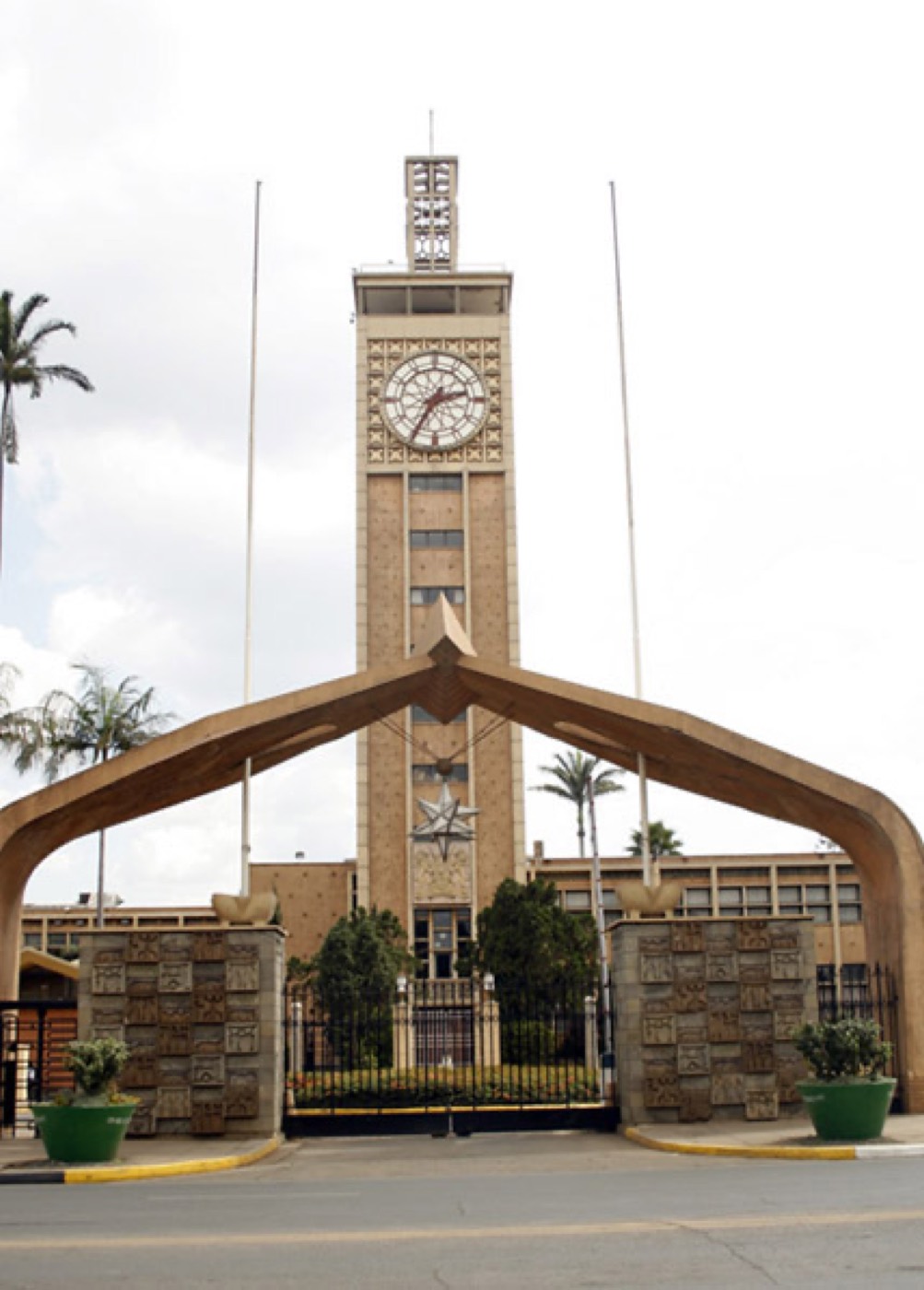
The arrangement between Kenya's governing party and the party that was its principal opposition rests on a ten-point agenda, and the Naivasha retreat was expected to review its implementation.
That review is the most useful thing to come out of the whole arrangement, because it is the only part of it that can be checked.
Why a ten-point agenda exists at all
Because a governing party and an opposition party joining forces need a stated reason that is not "we have agreed to share power".
An agenda converts an accommodation into a programme. It gives both sides something to say to their own base, and it gives the arrangement a test it can pass or fail.
The test that matters
Not what the ten points say. Which of them have been delivered, and what is the evidence.
That is a question with a factual answer, and it is the question every ODM member in a Nyanza ward will be asked between now and August 2027 by somebody arguing the party sold out for nothing.
A coalition that can answer it item by item has a defence. One that responds with generalities has confirmed the charge.
Why the burden falls unevenly
This is the structural difficulty and it is worth naming.
The governing party gets the benefit of the arrangement immediately: parliamentary numbers, reduced opposition pressure, and a broader claim to national legitimacy.
The opposition party gets the benefit later and conditionally: influence over policy, positions, and whatever the agenda delivers.
So at any given moment, one side has already been paid and the other is waiting. That asymmetry is what produces the internal fracture — and it is why a former Secretary-General was removed after publicly declaring the memorandum dead, and why a movement built on that argument is now touring the party's heartland.
What this means for an ODM candidate
You will be asked, at doors in wards your party has held for twenty years, what your party got.
Two answers are available. "Here are the specific things delivered, with dates" is a strong one if it is true. "It was necessary" is not, because the person at the door is entitled to ask necessary for whom.
That means the ten-point implementation record is not a Nairobi document. It is doorstep material for hundreds of candidates, and whichever campaign assembles it first — for or against — will be the one setting the terms of that conversation.
And for a UDA candidate
The mirror question, in Mount Kenya: what did the arrangement cost, and who was displaced by it. That is being asked already, and the by-election results suggest the answer being accepted locally is not the government's.
Related: ODM after Raila.
How to assess an implementation claim
Four questions, applicable to any government's list of achievements.
Was it new, or already under way? Renaming an existing programme is the most common form of delivery inflation.
Was it funded, or announced? A commitment in a budget line is different from a commitment in a speech.
Did it reach anybody, and how many? Numbers, with a source.
Can somebody outside government verify it? An audit, a published report, a physical thing in a place.
A ten-point agenda assessed against those four questions produces a defensible score. Assessed against a press statement it produces an argument.
For candidates on either side, doing that assessment yourself — before an opponent does it at a rally in your ward — is a straightforward piece of preparation that almost nobody undertakes.
Frequently Asked Questions
What is Kenya's broad-based government ten-point agenda?
The stated programme underpinning the arrangement between UDA and ODM, whose implementation was reviewed at the August 2026 Naivasha retreat between the two sides.
Why is the ten-point agenda politically important?
Because it is the only checkable test of the arrangement. Whether its items have been delivered, with evidence, is the question ODM candidates will face in wards where the pact is unpopular.