What the High Court Actually Ruled About Kenya's Election Date, and What It Didn't
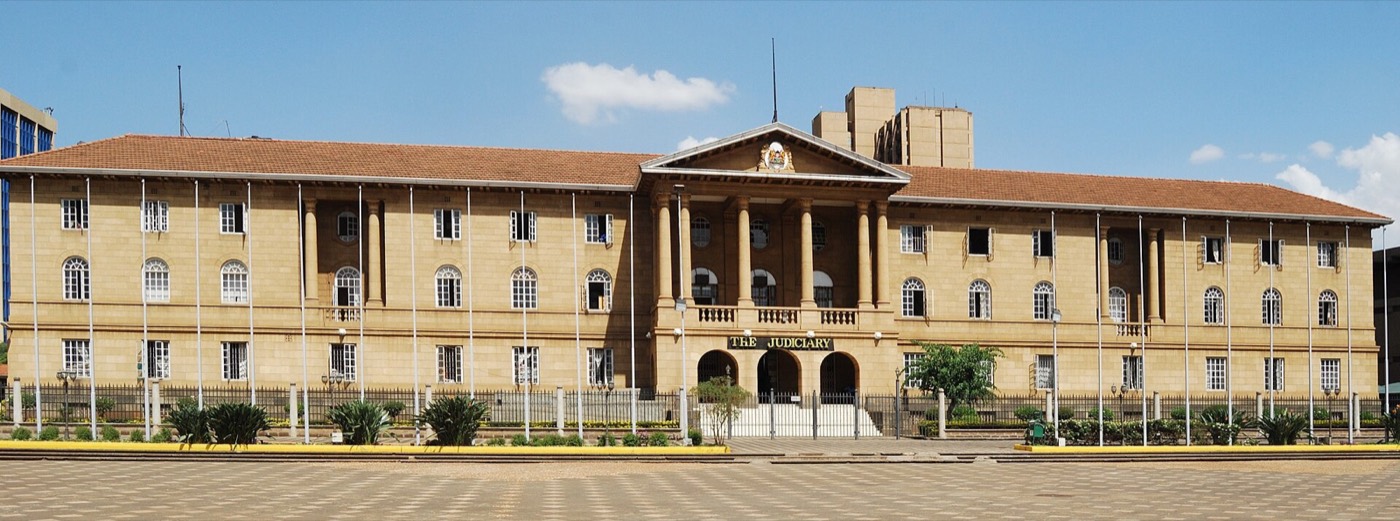
In early August 2026 the High Court handed down a ruling that briefly made it sound as though Kenya had missed its own election.
Justice Mugure Thande held that Article 136(2)(a) of the Constitution requires a presidential election on the second Tuesday of August in the fifth year after the previous one. Count from 2022 and that is 11 August 2026, not 10 August 2027.
Then the same ruling suspended the declaration until after the next General Election.
Why suspend a finding you have just made?
Because of what granting it would have required. The petition was filed in October 2025. Ordering the IEBC to abandon its 2027 preparations and run a national election inside the remaining months was, the judge found, practically impossible — and attempting it carried a real risk of instability.
So the court did something Kenyan courts have done before: it stated the principle and withheld the remedy.
The part about the presidential term
The second finding got less coverage and is more interesting. The court observed that a President's tenure ends when the next duly elected President is sworn in, and that there is no provision in the Constitution guaranteeing the President a five-year term.
Read literally, that separates two things Kenyans usually treat as one: the office, and a five-year entitlement to it. The businessman Jimi Wanjigi responded by calling President Ruto "a temporary incumbent", which is a political line rather than a legal one, but it captures why the finding landed.
What did not change
Almost everything operational.
- The IEBC is still working to 10 August 2027. It said so immediately and has not moved.
- The election period still opened on 20 August 2026, with the Code of Conduct in force.
- Every deadline in the calendar still stands — October's party filings, February's resignations, May's primaries.
If you are an aspirant, the ruling changes nothing about what you should be doing this month. See the full 2027 calendar.
What it might change later
Two things worth watching.
First, an appeal. A suspended declaration is still a declaration, and a higher court revisiting the Article 136 reading before 2027 would be genuinely consequential.
Second, the argument's afterlife. "The election was constitutionally due in 2026" is now a finding of the High Court rather than an opposition talking point, and it will be used as one — in petitions, in rallies, and in the legitimacy argument that follows any close result. Expect to hear it again in August 2027, whatever happens.
A note on reading rulings
A lot of what circulated in the days after this judgment was wrong in both directions — that the election had been moved to 2026, or that the court had dismissed the case. Neither is true. The court agreed with the petitioners on the law and declined to give them the order.
That distinction is the whole ruling, and it is the sort of thing that gets lost between a court and a WhatsApp forward. Which, as it happens, is also the subject of our piece on disinformation in the 2027 cycle.
What an appeal would have to do
Two separate things, and they can come apart.
It could overturn the interpretation — arguing that Article 136(2)(a) does not produce a 2026 date on these facts. That would remove the finding entirely.
Or it could revisit the remedy — accepting the interpretation but taking a different view of what should follow from it. Given that the court declined to disturb the 2027 preparations precisely on practicality grounds, and that practicality only becomes more compelling as August 2027 approaches, this is the less likely direction.
An appellate court engaging with the interpretation before 2027 would be genuinely significant, and there is no sign of an accelerated timetable for one.
The politics the ruling created
A suspended declaration is an unusually useful thing to a campaign, because it is a court finding that can be quoted without being acted on.
Expect it in three places: opposition rallies through 2027, petitions filed after the election, and the legitimacy argument that follows any close result. "The High Court found this election was constitutionally due a year earlier" is now a true sentence, and true sentences travel further than slogans.
Frequently Asked Questions
Did the High Court move Kenya's election to 2026?
No. The court found that under Article 136(2)(a) the presidential election was due on 11 August 2026, but it suspended that declaration until after the next General Election, and the IEBC is proceeding with 10 August 2027.
Why did the court suspend its own ruling on the election date?
The petition was filed in October 2025, and the judge found that requiring the IEBC to abandon its 2027 preparations and organise an election in the time remaining would be practically impossible and risked instability.
Does the President have a guaranteed five-year term in Kenya?
The High Court observed that the Constitution contains no provision guaranteeing the President a five-year term, and that a President's tenure ends when the next duly elected President is sworn in.