What a Kenyan Governor Actually Controls, and What They Cannot Touch
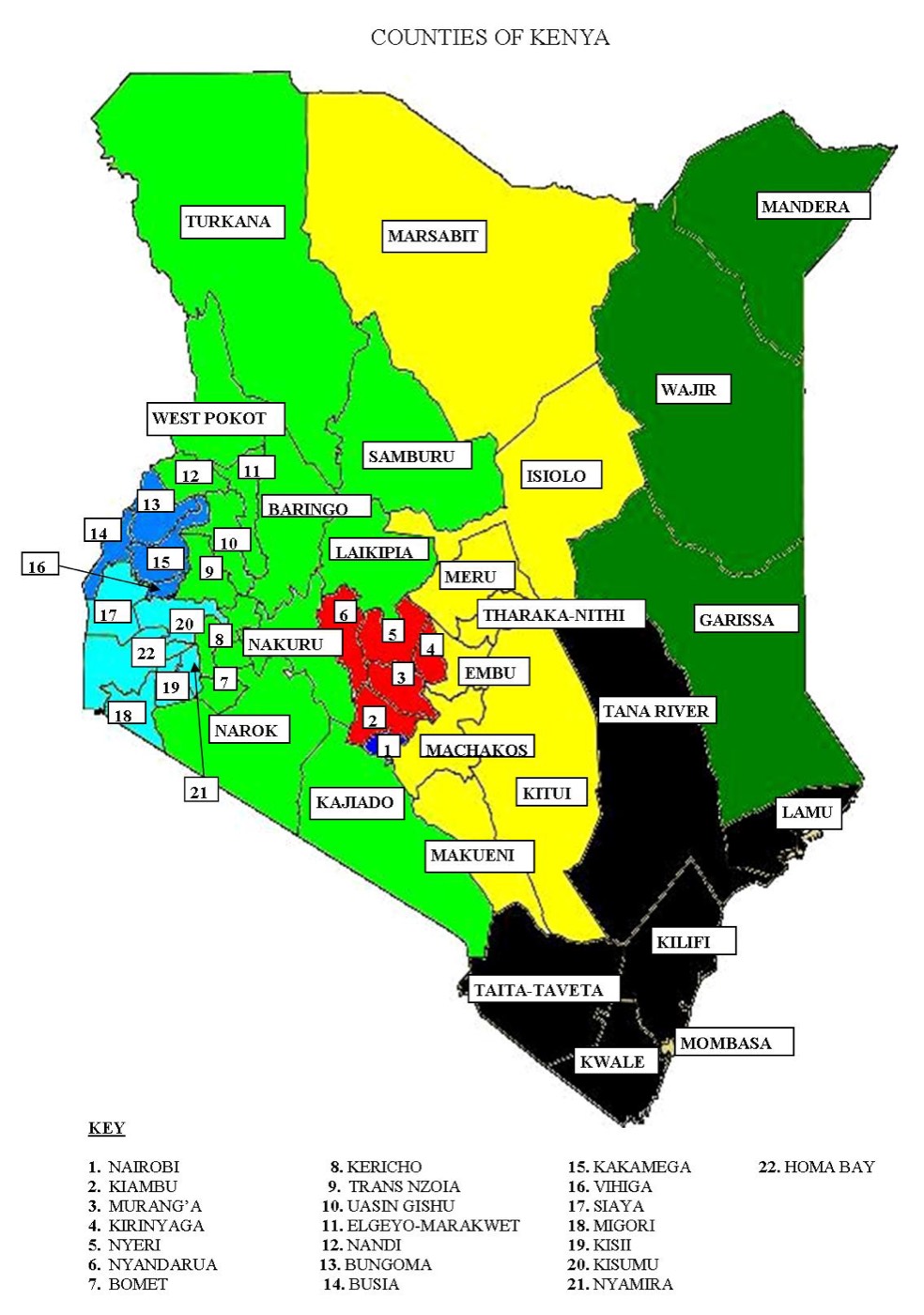
A governor runs the county executive. That is the whole job, and it is a large one.
Everything the Constitution devolved to counties sits under that office: county health facilities, county roads, water and sanitation, markets and trade licensing, agriculture, pre-primary education, firefighting, county planning, county public works. If a service on that list is working or broken where you live, the county executive owns it.
Everything the Constitution did not devolve sits somewhere else, and no amount of pressure on a governor will move it.
What a governor actually controls
The governor heads the county executive committee and nominates its members, subject to approval by the county assembly. Those members run the county departments. A governor who wants a department to change direction changes the person running it, or changes the budget it is given. Both levers are real and both are used constantly.
The governor proposes the county budget. The county assembly amends and approves it, but the first draft and the priorities inside it come from the executive.
The governor assents to bills passed by the county assembly, or refers them back with reservations.
The governor supervises the county public service, through the county secretary and the departments, which in most counties is the single largest employer in the county.
And the governor represents the county in intergovernmental forums, including the arguments over how national revenue is shared out among the 47 counties.
That is genuine authority over a genuine budget, exercised daily, mostly out of public view.
What a governor cannot do
A governor cannot make national law. Nothing a county executive does changes the Finance Act, the school curriculum or the Penal Code.
A governor cannot command the police. Policing is a national function. A governor may convene county security meetings and may be listened to, but the chain of command does not run through the county headquarters.
A governor does not run secondary schools, universities, national referral hospitals, the courts, immigration, or the national trunk roads that pass through the county. Those are national functions on national budgets.
A governor cannot spend money the county assembly has not appropriated. A county whose budget has not been passed is a county that cannot pay.
A governor cannot remove an MCA and cannot dissolve the county assembly. The two are separately elected and neither can fire the other.
A governor cannot invent a tax. Counties may charge property rates, entertainment tax and fees for services they actually provide. Anything beyond that needs national legislation.
And a governor cannot serve more than two terms.
Why voters ask a governor for the wrong things
Devolution moved functions. It did not move expectations.
For most of Kenya's independent history everything came from the centre, so the habit of taking every problem to whoever looks most powerful is decades old. A governor is the most powerful person many voters will ever stand in front of, so governors get asked about school fees, police posts, national job placements and the price of maize.
None of those are county functions. A governor who says so is called arrogant. A governor who promises to fix them gets elected.
That is how the six seats blur together in the public mind, and the blur is expensive. An office nobody can describe is an office nobody can hold to account.
Who is supposed to check a governor
Two bodies, both elected by the same voters.
The county assembly approves the budget, vets executive appointments, passes county law and can move an impeachment. The Senate hears that impeachment if the assembly passes it, and separately scrutinises how national money sent to the county was spent.
Related: why impeachments usually fail.
Neither check runs automatically. Both depend on people elected in the same county, often on the same party ticket, often by the same campaign machinery.
What to ask a candidate for governor
Not what they will do for you. Ask which devolved function they intend to fix first, what that function currently costs the county, and what they will stop funding in order to pay for it.
A candidate who answers with schools, police or national highways is either uninformed about the office or counting on you being uninformed. Both are worth knowing before 10 August 2027.
What to hold a sitting governor to
Three documents, all public, all dull, all decisive.
The county budget tells you what the executive chose. The county integrated development plan tells you what it promised. The Auditor-General's report on the county tells you what happened to the money.
Read the audit report for your county for the last full year. Find one query in it that touches a service you personally use. Take that single query to your MCA, to the county assembly committee that handles public accounts, and to the ward public participation forum the next time a budget is being prepared.
One resident with one specific audit query is far harder to deflect than a hundred with a general complaint.
Related: how the six offices fit together.
Frequently Asked Questions
What does a governor do in Kenya?
A governor heads the county executive and is responsible for every function devolved to counties, including county health services, county roads, water, markets and trade licensing, agriculture and pre-primary education. The governor nominates the county executive committee subject to county assembly approval, proposes the county budget, and assents to county legislation.
Can a governor control the police in their county?
No. Policing is a national function and the chain of command does not run through the county headquarters. A governor may convene county security meetings and may carry influence in them, but cannot direct police deployment, hire or discipline officers.
How many terms can a Kenyan governor serve?
A governor cannot serve more than two terms. Each term runs to the next general election, which is held on the second Tuesday of August every fifth year, so the next one falls on 10 August 2027.