What the Kenyan Voter Register Is, and How It Gets Built
The register is a list, and its unit is not a person. It is a person attached to a polling station.
Get that one idea and the rest of the Kenyan electoral system becomes legible: why you cannot vote wherever you like, why boundaries are fought over, why agents matter, and why the register is the most litigated document in the country.
What is in a register entry
Each entry carries the particulars taken from your identification document and the biometric data captured when you registered, and it sits under one polling station.
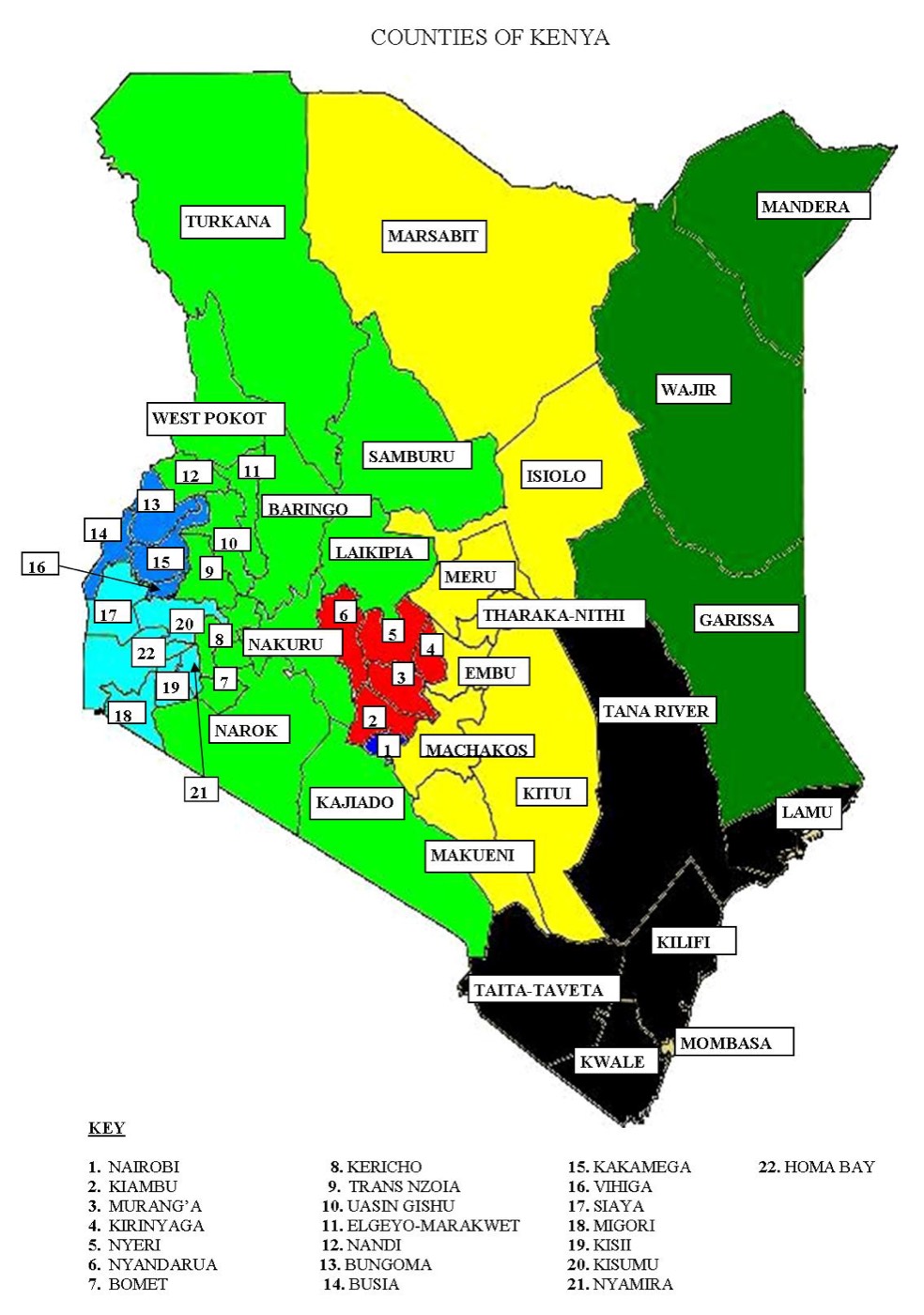
That station belongs to a ward, the ward to a constituency, the constituency to a county. Every level of that hierarchy corresponds to a seat. A ward elects one MCA. A constituency elects one MP. A county elects one Governor, one Senator and one Woman Representative. The presidential race is national.
So a single register entry silently determines which six contests you are part of.
How the register is assembled
From the bottom up, one registration at a time.
Registration officers capture entries continuously between elections. Those entries accumulate into the national register the Commission maintains, and the national register is decomposed again into a register for each polling station.
Both directions matter. The national view is what people mean when they talk about the size of the register. The polling station view is what actually gets used, because on polling day nobody consults a national list. A presiding officer works from the register for their own station and nothing else.
Before it can be used, it has to be shown
A register that nobody has checked is not a register anybody should trust.
So before a general election the list is closed, published for public inspection, and opened to claims and objections. Errors get corrected. Only after that is the register certified, and only a certified register produces the polling station lists used on the day.
Related: what the inspection window is for.
Why the register is the most contested document in Kenyan politics
Because it defines the denominator.
A presidential winner needs more than half of all votes cast, plus at least 25 per cent of the votes cast in each of at least 24 counties. Every one of those thresholds is computed against votes cast by people the register says are entitled to vote.
The same is true one level down. The size of a ward register tells a candidate how many votes a seat is worth, how many agents are needed and where the effort should go. A ward with a large register and low turnout is a completely different campaign from a ward with a small register and high turnout, and only the register tells you which one you are in.
Related: how the register turns into a national target.
What a campaign should actually do with it
Treat it as an operational document, not a statistic.
Count your stations. A constituency contains a known number of polling stations and each one has a presiding officer and a register. Your agent plan is a function of that number, not of your enthusiasm.
Read the size distribution. Stations are not equal, and a plan that treats them as equal wastes people on small ones and under-covers the big ones.
Compare register size against past turnout at ward level. That comparison tells you where votes are available rather than where crowds are available, and the two are not the same place.
The register between now and 2027, and what to do about it
It is not static. It grows as people register, shrinks as people are removed, and shifts as people transfer. The version you look at in 2026 is not the version that will be certified before 10 August 2027.
That is an argument for looking at it regularly rather than once.
If you are a voter, confirm your own entry, and confirm the polling station it names rather than only that your name appears.
If you are organising, get the station-level picture for your ward and write it down: how many stations, roughly how many voters each, and how far apart they are. Everything else you plan on polling day depends on those three numbers, and every campaign that skips them discovers the gap at six in the morning with no time left to fix it.
Frequently Asked Questions
What is the voter register in Kenya?
It is the official list of people entitled to vote, maintained by the IEBC, in which every entry is attached to a single polling station. That attachment determines which ward, constituency and county contests a voter takes part in. The national register is broken down into a separate register for each polling station.
Which register is used on polling day?
The register for that specific polling station. A presiding officer never consults a national list. This is why registration attaches you to one station, and why turning up at a different station with a valid identity card does not let you vote there.
Why does the size of the register matter to a campaign?
Because it is the denominator for every calculation that decides an election. A presidential winner needs more than half of all votes cast and at least 25 per cent in each of 24 counties, and at ward level the register tells a candidate what a seat is actually worth. It also sets how many polling agents a campaign needs.