Why Kenya's Opposition Wants to Be Called a Government
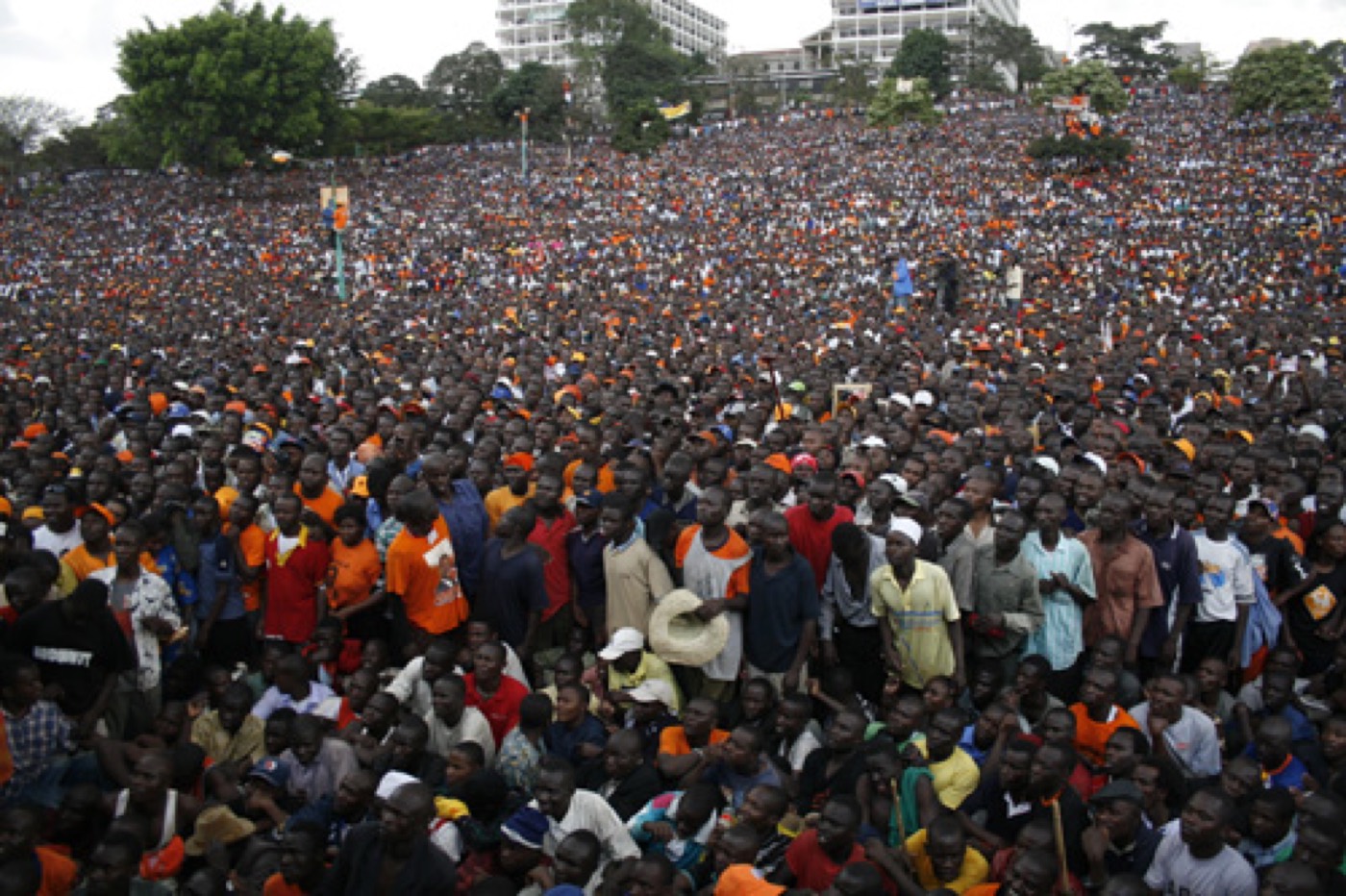
Kenya's opposition coalition is pushing to change its name from the United Opposition to the United Alternative Government — a rebrand driven largely by KaKalonzo Musyokawho is also a convener of the coalition.
Name changes in politics are usually cosmetic. This one is making a specific argument, and it is worth taking seriously.
The argument the name is making
An "opposition" is defined by what it is against. An "alternative government" claims to be defined by what it would do.
That distinction matters in Kenya more than it might elsewhere, because Kenyan opposition politics has a long history of being purely oppositional — organised around removing an incumbent rather than around a programme — and then arriving in office without one.
Calling yourself a government-in-waiting is a commitment to behave like one: to have positions, to cost them, and to be judged on them.
The coalition has begun doing exactly that, proposing a People's Budget as an alternative economic plan aimed at reducing the cost of living and improving public services.
What the rebrand is also doing
Two less lofty things, and both are legitimate.
Resolving a hierarchy problem. A coalition of principals who all want the presidency needs a structure in which nobody is obviously subordinate. "Alternative government" implies portfolios, which is a way of distributing status without distributing the top job.
Pre-empting the question nobody wants. As long as the coalition is an opposition, the only question anybody asks is who the candidate is. As an alternative government, it has other things to talk about while that remains unresolved.
Why the second reading is not cynical
Because it addresses a genuine problem.
Kenya's opposition said it would name a single presidential candidate in the first quarter of 2026 and did not. Every week without an answer is a week of coverage about the absence of an answer.
A coalition that can talk about a budget, a health plan and a tax position is a coalition that can be politically active while the hard decision is deferred. Whether deferral is wise is a separate question, and the arithmetic of Kenya's presidential threshold suggests it is not.
What this changes for a down-ballot candidate
Almost nothing, and that is worth saying plainly.
A rebrand at national level does not tell an MCA aspirant in Vihiga which symbol will be on their ballot paper, whether their seat has been zoned to a partner, or which party's nomination rules will govern their primary.
Those are the questions that decide whether you are a candidate, and they are answered by party officials and nomination rules rather than by coalition branding.
So: ask them, in writing, and build the ward structure that survives whatever the answer turns out to be.
Related: coalition or coalition party.
The precedent, and how it usually ends
Opposition formations calling themselves governments-in-waiting is not new in Kenya or anywhere else, and the record is mixed.
Where it works, it is because the shadow structure does real work: producing costed positions, scrutinising legislation clause by clause, and building the policy capacity that a new administration otherwise has to invent in its first eighteen months.
Where it fails, it is because the portfolios are distributed as status symbols to keep principals inside the tent, and nobody produces anything.
The test is simple and it will be visible within months: does the alternative government publish anything nobody asked it to publish? A coalition that produces a costed health plan, a debt position and a devolution paper is doing the work. One that produces a list of shadow ministers is doing the other thing.
Frequently Asked Questions
What is Kenya's United Alternative Government?
The rebranded name of the United Opposition coalition, a change driven largely by Kalonzo Musyoka as a convener, intended to present the coalition as a government-in-waiting with its own programme rather than a purely oppositional grouping.
Does the rebrand affect down-ballot candidates?
Not directly. Coalition branding does not determine which symbol appears on a ballot, whether a seat has been zoned to a partner party, or which nomination rules govern a primary.