Why You'll Campaign in 2012's Boundaries: IEBC Deferred Delimitation Again
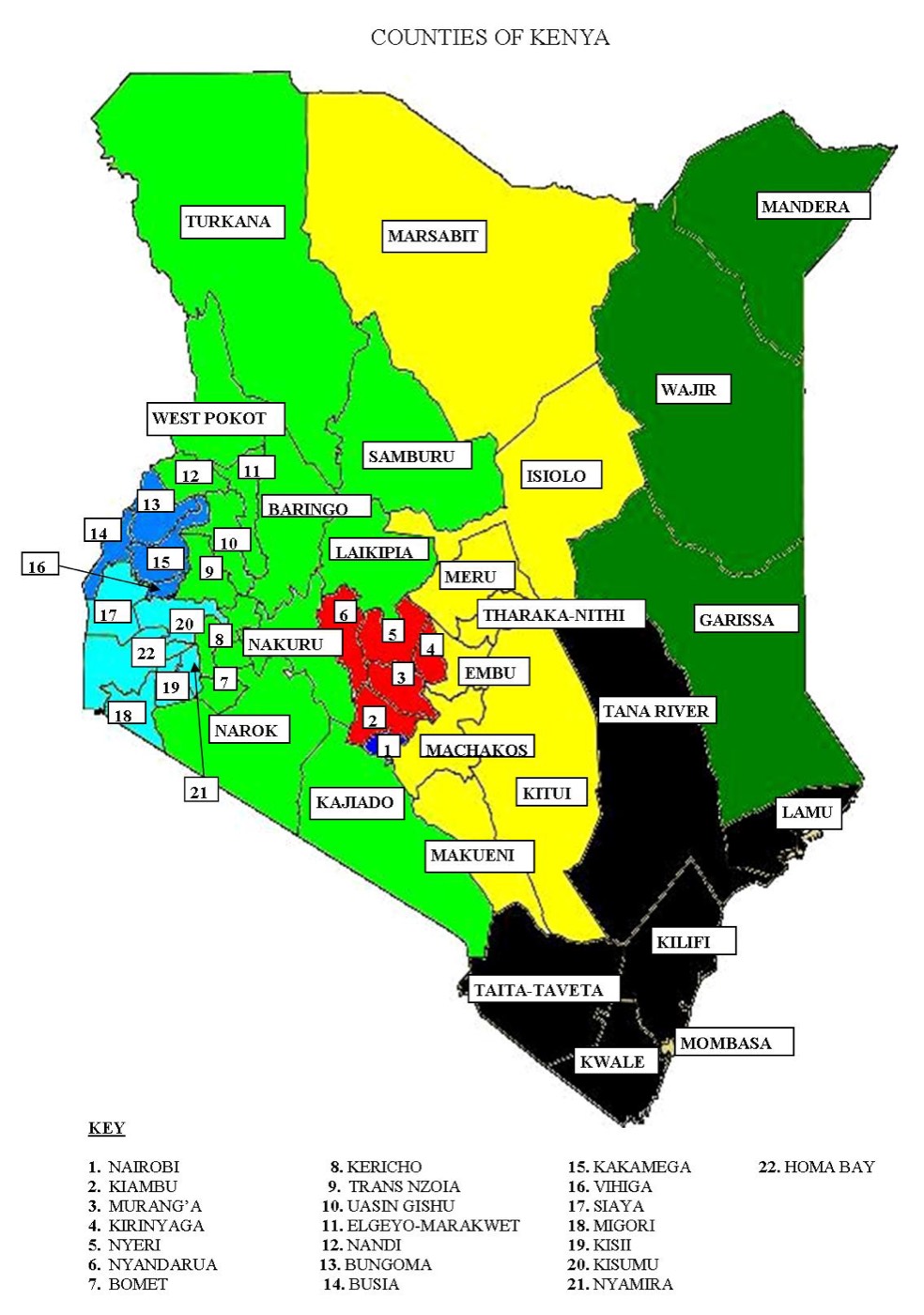
Article 89 of the Constitution says the IEBC must review constituency and ward boundaries every eight to twelve years. The last comprehensive review was in 2012, ahead of the 2013 election.
Do the arithmetic and 2027 is year fifteen.
The IEBC's position, stated through 2026, is that a full delimitation before the 2027 polls is impractical. Its chair has said it would overstretch the commission. It has proposed a phased approach with the substantive work done after the election, using population data that has been legally validated.
A petition seeking to compel a review before 2027 was resisted by the commission on those grounds.
Why it could not be done
Three things stacked up.
Census data disputes. Delimitation runs on population figures, and the legal status of the data has been contested.
Institutional gaps. The commission spent a long stretch without a full complement of commissioners. The current chair and six commissioners were sworn in during 2025, which left a compressed runway for an exercise that normally takes years.
Sequencing. Delimitation has its own statutory consultation and appeal timelines. Running them alongside the 2027 preparation calendar would have collided with everything else in this year's Gazette notice.
None of that is an excuse so much as an explanation. The deferral is real and campaigns have to plan around it.
What it means on the ground
Some wards are enormous and will stay that way. Kenya's population has grown by millions since 2012 and grown unevenly. Peri-urban wards around Nairobi, Kiambu, Nakuru, Mombasa and Kisumu carry voter numbers a 2012 line never anticipated. An MCA in one of those wards represents a population that would, under a fresh review, probably be two or three wards.
Your campaign's unit cost varies wildly by ward. Two wards in the same constituency can differ by a factor of five in registered voters. Budgeting the same per ward is how campaigns waste money in one place and starve another.
Agent numbers follow polling streams, not wards. A dense ward has many more streams, and every stream needs an agent. If you plan agent recruitment "per ward" you will be short in exactly the places that decide the seat.
This is not a theoretical planning problem. It is the arithmetic that determines whether you have coverage on 10 August 2027, and it is why BallotWinners builds a campaign down to the polling stream rather than stopping at the ward — the ward is an administrative unit, the stream is where the count happens.
What to do about it
- Get the current voter numbers per ward and per station in your area. Not the population — the register. They diverge, sometimes badly.
- Budget per registered voter, not per ward.
- Count your streams before you count your wards. That number is your agent requirement, and it is usually larger than people guess.
- Expect the review after 2027. If you win a seat in a ward that a future delimitation will split, you are campaigning in 2032 in a different place. Worth knowing now.
Related: the 2027 calendar.
How to get the numbers you actually need
The register, not the census. They diverge, and campaigns plan on the wrong one constantly.
What you want is registered voters per polling station in your area, which the IEBC publishes, and the number of streams at each station, which follows from the voter count. Together those give you your two planning numbers: where the votes are, and how many agents you need.
A ward's population tells you how many people live there. Its register tells you how many can vote. In a peri-urban ward with a young, mobile population those two can be wildly different, and the second one is the only one that appears in a result.
The 2019 census sits in the middle of this
Kenya conducted a census in 2019, after the 2012 delimitation and before the 2027 election, and disputes over the legal status of that data are among the reasons a fresh review could not proceed.
So the position is: boundaries drawn on pre-2012 data, a census conducted in 2019 that cannot yet be used to redraw them, and an election in 2027 fought on the older lines. When the review does happen after the polls, the wards that change most will be exactly the fast-growing peri-urban ones — which is worth knowing if you are winning one in 2027 and intending to hold it in 2032.
Frequently Asked Questions
Will Kenya's constituency boundaries change before the 2027 election?
No. The IEBC has said a comprehensive delimitation before 2027 is impractical and has deferred substantive boundary review until after the polls, so 2027 will be contested on boundaries drawn in 2012.
How often is Kenya supposed to review electoral boundaries?
Article 89 of the Constitution requires the IEBC to review constituency and ward boundaries at intervals of between eight and twelve years. The last comprehensive review was completed in 2012.
Why does the boundary deferral matter to a campaign?
Because population growth since 2012 has been uneven, wards within the same constituency can differ several-fold in registered voters and polling streams, so budgets and polling agent numbers must be planned per station rather than per ward.