"Your Divisive Politics Will Destroy Kenya": Ruto's Warning, Decoded
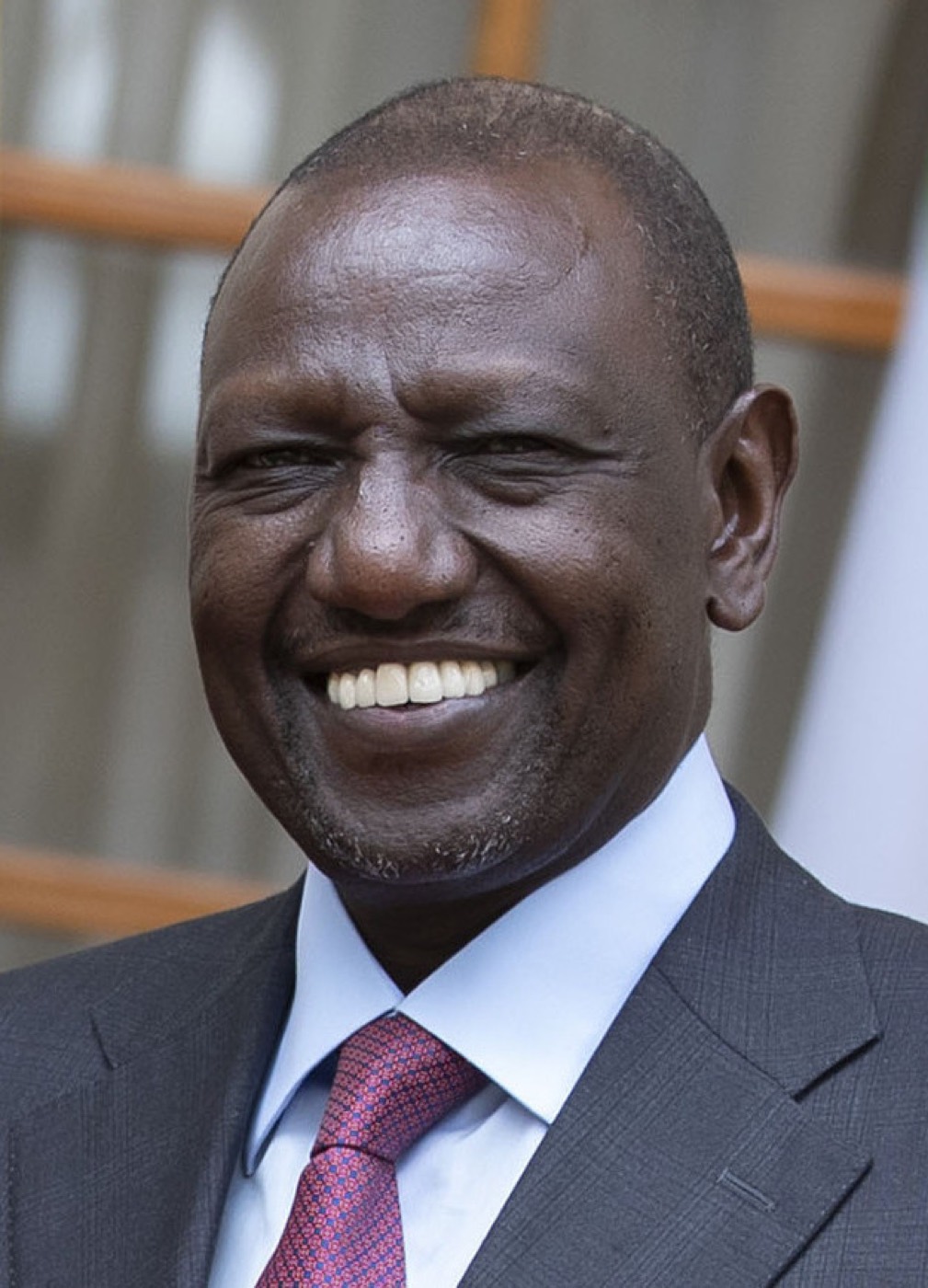
President William Ruto has warned Kenya's opposition that divisive politics will destroy the country, using a church platform to defend his administration's economic policies, foreign travel and budget priorities.
The appeal against tribalism and divisive politics has been read as signalling concern about rising political tension ahead of 2027. That reading is probably correct, and it is worth separating what is genuine in it from what is strategic, because both are present.
The genuine part
Kenya's history with ethnically framed political mobilisation is not abstract. The 2007–08 post-election period killed over a thousand people and displaced hundreds of thousands, and every subsequent election has been run in the shadow of it.
Warnings about divisive politics from any Kenyan leader deserve to be taken at face value first, whatever else is going on.
And the current environment supports the concern. Researchers analysing Kenyan online disinformation have identified coordinated campaigns featuring ethnically charged hashtags, with the most sophisticated among them focused on regional political dominance.
The strategic part
"Divisive politics" is also, in Kenyan political vocabulary, a phrase routinely used to describe opposition mobilisation.
An incumbent whose challengers are regionally based has an obvious interest in framing regional mobilisation as tribalism, and an equally obvious interest in framing their own coalition-building as national unity. Opposition leaders make the mirror-image argument.
Both sides are partly right about the other. That is what makes the charge so durable and so useless as an analytical category.
The test that separates them
Here is a way to assess any Kenyan politician's claim to non-tribal politics that does not depend on rhetoric.
Look at where they campaign when it is not convenient. A leader who only holds rallies where their community is a majority is running an ethnic campaign whatever they say from a pulpit. One who campaigns, repeatedly and without a delegation of local proxies, in a region that did not vote for them is doing something else.
Look at who they nominate. A party's candidate list across 47 counties is a much better indicator of its politics than any speech. A party that fields credible local candidates in regions outside its base is building something national. A party that fields placeholders is not.
Look at the issues they lead with. Cost of living, jobs, health and education are non-ethnic issues by construction. Historical grievance and regional entitlement are not. Most Kenyan campaigns run both and emphasise whichever suits the audience, which is itself the finding.
What this means at ward level
Very little, and that is the point worth making.
Ward campaigns are almost never won on national identity arguments. They are won on water, garbage, street lighting, bursaries and whether the candidate is present. A ward campaign that imports the national argument is importing a fight that does not help it.
The most effective thing a ward or constituency campaign can do in a high-temperature national cycle is stay relentlessly local: record what households actually raise, follow up on it, and be able to show a year of it by August 2027.
That record is the only campaign asset that is genuinely immune to whichever way the national argument goes, which is why we built BallotWinners around it: every household visit logged with what was said, every complaint tracked to closure, ward by ward.
And a caution for everybody
With the election period not yet formally open, a great deal of what is being said now sits outside the Electoral Code of Conduct. It will not stay that way. Language that is currently a political cost will shortly also be a legal one, for candidates and for the parties responsible for their supporters.
Frequently Asked Questions
What did Ruto say about divisive politics?
Speaking from a church platform, President Ruto warned the opposition that divisive politics would destroy Kenya, while defending his administration's economic policies, foreign travel and budget priorities.
How can voters tell whether a Kenyan campaign is ethnically based?
Look at where the candidate campaigns when it is not convenient, whether they field credible candidates across counties outside their base, and whether they lead with cost-of-living issues or with historical grievance.