Activists Have Notified Police of a March to Parliament
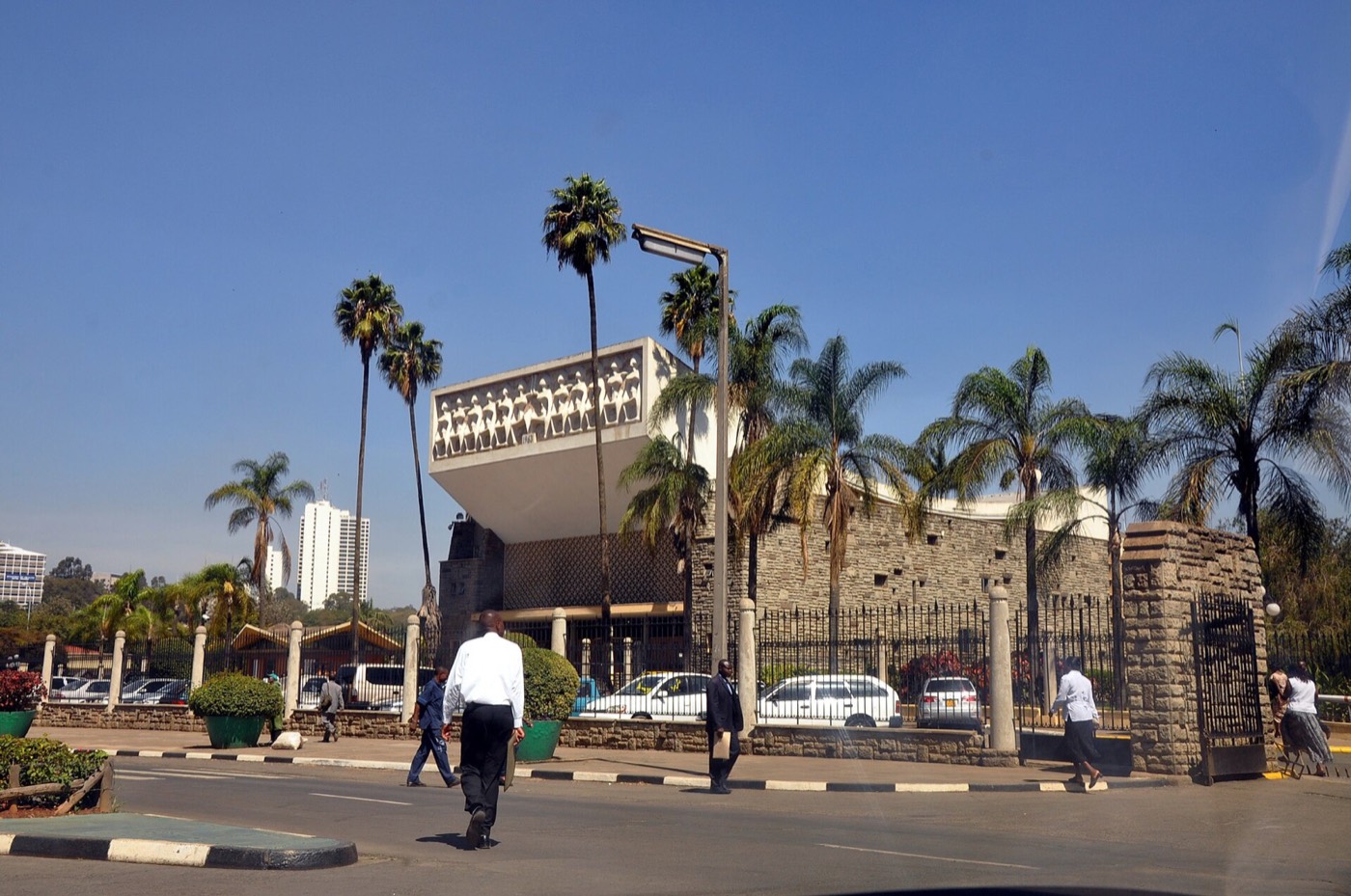
A Nairobi-based lobby group has served notice to the Inspector-General of Police and other security agencies of a planned Saba Saba march in Nairobi.
The plan as notified: converge at Jeevanjee Gardens, march through the central business district to Parliament Buildings, and present a petition to the Speaker and members of both the National Assembly and the Senate. Starting at 9am. Around 3,000 civil society members, activists, human rights defenders, young people, religious leaders, professionals and students expected.
What notification actually is
This is the part most Kenyans, including many organisers, get wrong.
Under Kenyan law, a public meeting or procession requires notification, not permission. Organisers notify the officer commanding the police station in the area in advance, giving the time, place and route.
The police may only stop a notified assembly on specific grounds, and a refusal has to be justified. "The police did not give permission" is not, in itself, a lawful basis for dispersal, because permission is not the legal standard.
Article 37 of the Constitution guarantees the right, peaceably and unarmed, to assemble, demonstrate, picket and present petitions to public authorities.
Why notification matters practically
Three reasons.
It creates a record. A written, acknowledged notification is evidence that the organisers followed the process. That matters enormously afterwards if there is a dispute about what happened.
It shifts the burden. Once notified, the question is why the assembly was interfered with rather than why it went ahead.
It enables planning. Police who know the route can manage traffic rather than react to a crowd.
What it does not guarantee
Anything, in practice.
Recent Saba Saba commemorations in Kenya have been marked by heavy police deployment and protest bans, and reporting on the 2026 anniversary period described fear keeping crowds small. Notification does not prevent that, and organisers know it.
The lesson that transfers to campaigns
This is not only an activist concern. A political campaign holding a rally is holding a public meeting, and the same framework applies.
So the practical guidance for any campaign in the 2027 cycle:
Notify in writing, and keep the acknowledgement. Not because it protects you on the day, but because it is the document that matters afterwards.
Record your route internally. Convoy attacks during the 2025 by-elections targeted movements, not venues.
Name a police liaison who is not the candidate.
Have two people recording for evidence, with time stamps, not for social media.
Know who from your campaign is present. If something happens, the first question is whether the people involved were yours, and a campaign that cannot answer will be assumed responsible.
That last one is the reason we record every volunteer, coordinator and agent as a named person with an assigned task. It looks like bureaucracy right up until the afternoon somebody asks.
Related: a campaign safety plan.
Why the destination matters
Marching to Parliament rather than to State House is a deliberate choice and a legally meaningful one.
Article 119 of the Constitution gives every person the right to petition Parliament to consider any matter within its authority. A march that ends with a petition presented to the Speaker is exercising a specific constitutional mechanism, not simply expressing a view.
That changes what happens afterwards. A petition, once admitted, is committed to a committee, which may invite the petitioners and summon witnesses, and which is expected to report back.
Whether it does is another matter. But the difference between a demonstration and a petition is that one produces a document with a file number, and file numbers can be chased.
Frequently Asked Questions
Do Kenyans need police permission to protest?
No. Kenyan law requires notification of a public meeting or procession, not permission. Article 37 of the Constitution guarantees the right to assemble, demonstrate, picket and present petitions peaceably and unarmed.
What was planned for Saba Saba 2026 in Nairobi?
A notified march from Jeevanjee Gardens through the central business district to Parliament Buildings, starting at 9am, to present a petition to the Speaker and members of both Houses, with around 3,000 participants expected.