Campaign Security After Embu: Planning a Safe Meeting
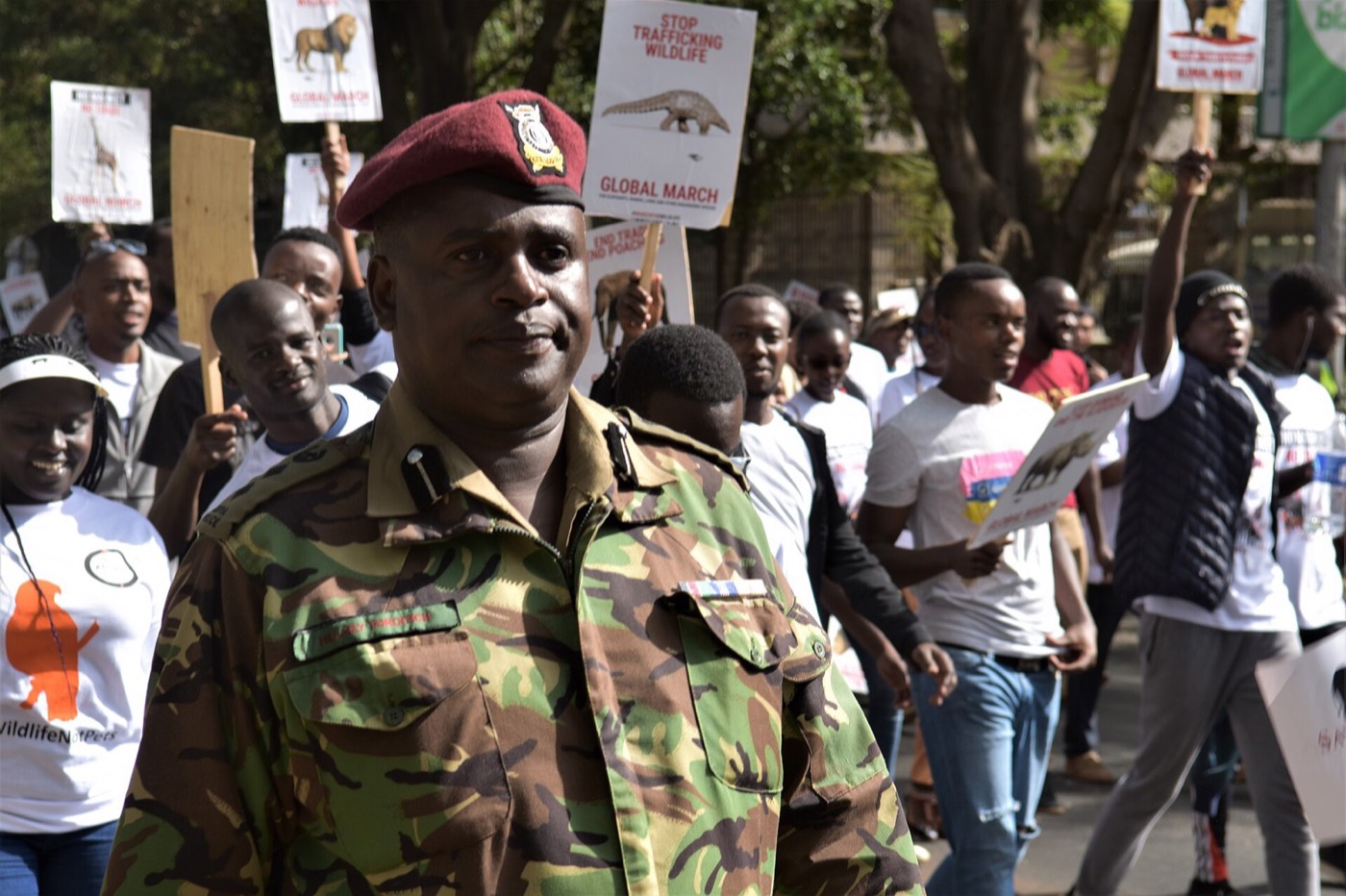
A safe campaign meeting needs four things on paper before anyone arrives: the police notice, a venue plan with exits and a separate route for the principal, a stewarding team with named leaders, and an agreed rule for when to stop. On 12 September 2026 at Nembure Stadium in Embu, two men died and six vehicles were set on fire when a crowd, rival camps and police met without such a plan.
What happened in 2026
In Embu on 12 September, trouble broke out outside a meeting of United Democratic Alliance (UDA) polling-centre officials chaired by Deputy President Kithure Kindiki at Nembure Stadium. Two men died, and IPOA said they had gunshot wounds. Six vehicles were torched. Kindiki blamed Gitonga Mukunji (Manyatta), who denied it and got anticipatory bail. The DCI arrested suspects on 13 and 14 September.
The same day in Garissa, stones hit an opposition convoy and rally with Kalonzo Musyoka, Justin Muturi and Eugene Wamalwa. Muturi called it an "attempted assassination". Kalonzo blamed Health CS Aden Duale. That is his allegation, and no finding has been made.
A month earlier, on 16 August, a Linda Mwananchi tour in Homa Bay ran into roadblocks and attacks. A police officer was killed, Citizen Digital reported, and police said about 500 youths had been paid Sh2,000 to Sh4,000 each to take part.
Nairobi went differently. On 13 September the Linda Mwananchi rally at Jacaranda passed off calmly under a heavy police presence, and police praised it as peaceful.
Human Rights Watch reported on 11 September 2026 that organised gang attacks on civic and opposition events had killed at least six people since June. Against that background, a big crowd at Jacaranda that had been notified and policed went home without incident.
The police notice
The Public Order Act requires organisers of public meetings and processions to notify the police in advance. Reports in September 2026 said the National Police Service expects between three and fourteen days' notice. Give the full details, including venue, time, expected crowd, route and the name of your contact person, and keep a stamped copy.
Giving notice does not free you from police instructions on the day. Police also cannot lawfully ban a meeting simply because they dislike its politics, and if you are refused, get the refusal in writing.
Choosing the venue
Choose the ground for its exits. A stadium with one gate leaves a crowd nowhere to go. Walk the venue beforehand with your security lead and mark:
- at least two exits for the crowd and one separate route for the principal;
- where vehicles will park, away from the crowd;
- where first aid will sit, and the nearest hospital;
- where the rival camp is likely to gather.
The six vehicles torched at Nembure are the reason for the second point.
Stewards
Recruit stewards from people you know, give them visible identification and brief them in writing. Never pay unknown young men to "secure" an event. Our report on the goon economy shows how hired muscle turns into the violence it was supposedly there to prevent.
Name one steward leader for each section, plus one overall commander who speaks for the campaign to the officer in charge.
When to stop
Decide in advance what ends the meeting: stones thrown, teargas, someone getting onto the stage, an injury. Agree who can make the call and how the principal leaves. On the day nobody wants to be the person who cuts off the speech, and a rule written down beforehand makes it easier.
Budget, film and report
Put all of this in the event budget. Our rally logistics guide shows where rally money usually leaks.
Film the event from a fixed point. If there is violence, report it to the police and keep the OB number. Complaints about police conduct go to IPOA; see what IPOA can and cannot do. Incitement and violence are offences whoever commits them, and our explainer on election violence offences lists who investigates what.
Do you need a rally at all?
The IEBC has said open campaigning is prohibited before 29 May 2027, so many meetings until then will be framed as party organisation or civic events. A smaller indoor meeting with registered attendees is easier to secure, and it often gets more done.
After Embu
At the NCIC's Amani Conference in Nairobi, which opened on 14 September 2026, party leaders signed a joint communique against violence, hate speech and goons. It carries no penalties of its own. The Public Order Act notice and the stewards' briefing are still the organiser's job.
Frequently Asked Questions
What happened at Nembure Stadium in Embu?
On 12 September 2026 chaos broke out at a UDA meeting chaired by Deputy President Kithure Kindiki. Two men died, IPOA said of gunshot wounds, and six vehicles were torched.
Do I need to notify police before a political meeting in Kenya?
Yes. The Public Order Act requires advance notice to the police for public meetings and processions. Reports in September 2026 said police expect three to fourteen days' notice.
Where do I report police misconduct at a rally?
Complaints about police conduct go to the Independent Policing Oversight Authority (IPOA). Crimes by members of the public are reported to the police, and you should keep the OB number.