Rally Logistics: Where the Money Leaks and How to Stop It
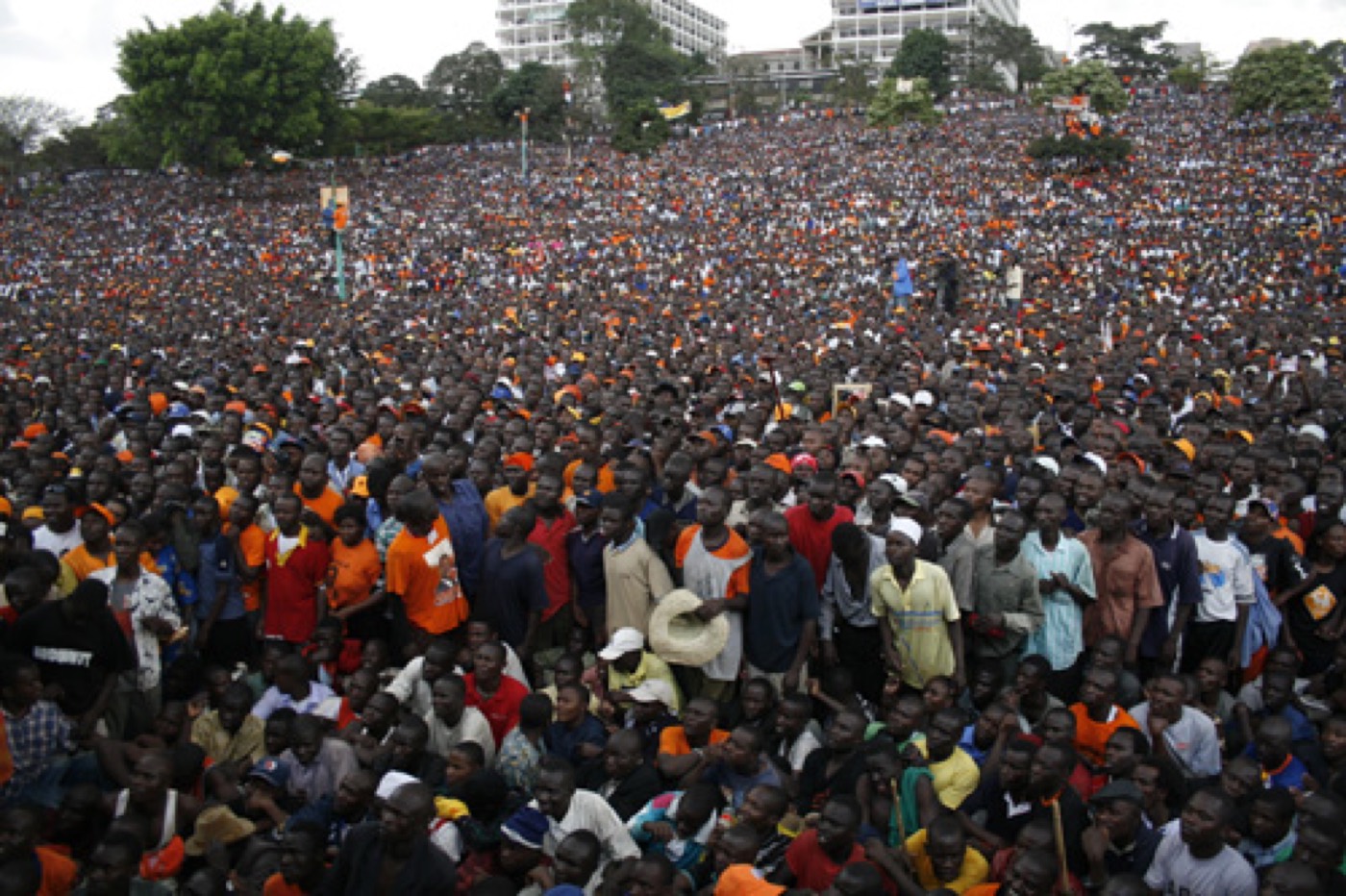
A rally is the largest single cost most Kenyan campaigns carry, and the money leaks in the same places every time.
None of the leaks are mysterious. Each has a fix that costs nothing and has to be agreed before anybody hires anything.
One person owns the money, one owns the programme
Not the same person, and not a committee.
The money owner approves every commitment in advance and holds the record. The programme owner runs the run sheet on the day. When those two roles sit with whoever happens to be nearest, the campaign pays twice for the same tent and finds out in September.
Everything below depends on that being settled first.
The crowd you paid for, and the crowd that was coming anyway
Campaigns budget transport and allowances on the assumption that nobody attends unpaid, then discover on the day that a large part of the crowd walked in.
You cannot know the split without measuring it, so measure it. Count arrivals by route. Ask a sample how they got there. Once you know that your ward turns out on its own, you stop paying for what you were already going to get, and that single finding pays for the exercise.
Transport, sound and food, in that order of waste
Transport leaks because vehicles are hired verbally, more vehicles appear than were agreed, and somebody pays them all in cash at dusk. The fix is a written manifest before departure: vehicle, driver, route, seats, agreed amount, and who authorised it. Anything not on the manifest is not paid, and nobody negotiates at the venue, because negotiating at the venue is how a campaign is quietly taxed by every driver who turns up.
Sound leaks because systems are hired by impressiveness rather than by area, and a rally in a school field is regularly given a rig built for a stadium. Ask the supplier what area the system covers, then look at your venue, and pay for the smaller answer. Test it in the morning. A rally that starts an hour late because the sound arrived late has already lost most of its crowd to the sun.
Food leaks because ordering without a number means ordering for the largest number anybody in the room can imagine. Decide who is fed, which in most cases is the working team, the agents, the drivers and the guests rather than the crowd. Write the list, count it, and order for that number plus a stated margin, so the margin is a decision rather than an accident.
Every payment needs paper on the day
All of this has to survive being looked at afterwards. Campaign spending in Kenya is regulated, the limits and the reporting requirements are set by commission regulation and gazetted ahead of the election, and a campaign that paid cash with no record cannot reconstruct any of it later.
Receipt everything at the point of payment, with the name of the person paid, on the day. There is a fuller treatment of what that record has to withstand in the campaign budget piece.
The venue decides your capture rate and your permissions
Choose a venue you can work, not one that photographs well.
A single entrance is worth more to you than a wide open field, because it is the only place you can reliably meet everybody arriving. A field with six informal entrances cannot be captured at all.
Look at where the sun will be at the hour you have chosen. A crowd facing into the afternoon sun leaves early, and you will read that departure as a lack of enthusiasm rather than as a planning error.
A public meeting also requires notice to the police, and the local station will tell you what they need and by when, so do it early and in writing and carry the acknowledgement on the day. During an election period ahead of 10 August 2027 a candidate is additionally bound by the electoral code of conduct, which governs what may be said and done at a gathering, and it is worth reading before your first big event rather than after a complaint. The obligations are set out in the code of conduct piece.
The rally is not finished when the crowd leaves
The largest waste at a Kenyan rally is not a line item. It is the crowd itself, assembled at great cost and then released without a single name taken.
Assign people whose only job during the event is signing up attendees, and treat the fortnight afterwards as part of the rally budget rather than as goodwill, exactly as described in the rally follow-up piece.
Before your next event, write the run sheet and the manifest. Both fit on one page, and between them they close most of the leaks above.
Frequently Asked Questions
Where does a Kenyan campaign rally waste the most money?
In four predictable places: paying transport and allowances for people who were coming anyway, hiring vehicles verbally so that unbooked ones turn up and get paid, buying a sound system built for a far larger area than the venue, and ordering food without a counted list. Each has a fix that costs nothing but must be agreed before anything is hired.
What paperwork does a rally need?
A written transport manifest before departure showing vehicle, driver, route, seats, agreed amount and who authorised it, and a receipt for every payment taken at the point of payment with the name of the person paid. Campaign spending is regulated and reported, so a rally paid for in cash with no record cannot be reconstructed afterwards. Notice to the police for the public meeting should also be given early and in writing.
How do you choose a rally venue?
Pick one you can work rather than one that photographs well. A single entrance is worth more than a wide open field, because it is the only place you can reliably meet everybody arriving and take their details. Check where the sun will be at your chosen hour, since a crowd facing into afternoon sun leaves early and the departure gets misread as a lack of enthusiasm.