What IPOA Can and Cannot Do
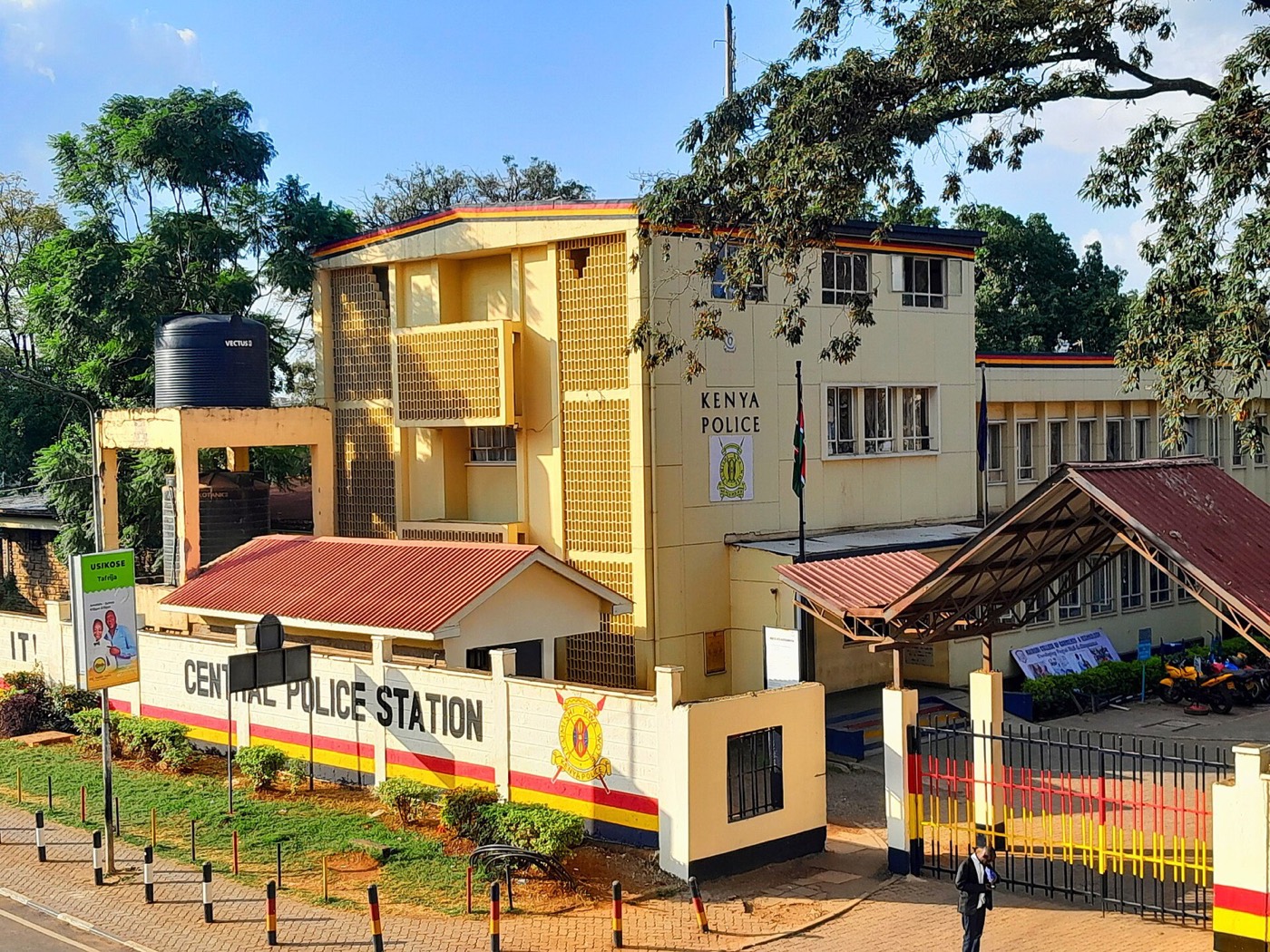
The Independent Policing Oversight Authority is the body Kenyans are told to take police complaints to, and it is the body most consistently criticised for not resolving them.
Some of that criticism is fair. A lot of it is aimed at limits IPOA does not control.
What IPOA can do
Investigate. Deaths and serious injuries caused by police action or inaction, and complaints against officers including allegations of abduction, murder and enforced disappearance.
Recommend prosecution. Refer files to the Director of Public Prosecutions.
Inspect police premises. Including detention facilities.
Monitor and report. Including on the conduct of policing during demonstrations.
Invoke statutory compulsion. Where officers do not cooperate, the Authority has powers under its own Act, which it has said publicly it will use.
What IPOA cannot do
Prosecute. That belongs to the DPP. IPOA can build a file and recommend; it cannot charge.
Discipline officers directly. Disciplinary authority sits with the National Police Service and the National Police Service Commission.
Compel cooperation without friction. The Authority has reported non-cooperation from some members of the service, which is the single largest practical constraint on its work.
Investigate what it is not told about. Oversight bodies work from complaints and referrals. A family that does not report, or does not know they can, produces no file.
Why the gap produces so much frustration
Because the public reasonably expects an oversight body to deliver accountability, and accountability requires a prosecution, a conviction and a sentence — three steps IPOA does not control.
So a genuine investigation can be completed, referred, and then stall somewhere the complainant cannot see, and the visible institution is blamed for the invisible failure.
That is why IPOA's chairperson called on Parliament to lead the establishment of an inquiry into who was responsible for human rights violations, following the President's statement that all abducted Kenyans had been released. An inquiry is a request for a mechanism IPOA does not have.
Why this belongs in an election blog
Because the 2027 campaign period will be policed by the same service, and the Kenya National Commission on Human Rights has warned about a pattern of political intolerance, intimidation and the alleged use of organised groups ahead of the polls.
A campaign that has an incident — a disrupted rally, an assaulted volunteer, an agent removed from a polling station — will need to report it somewhere, and reporting works far better with contemporaneous evidence.
Practically that means: time-stamped video, written notes made the same day, the names of people present, and a record of who from your campaign was deployed where. A complaint supported by that is a file. A complaint made from memory in October about an August incident is a statement.
Related: a campaign safety plan.
How to make a complaint that goes somewhere
Practical, because most complaints fail on form rather than merit.
Do it in writing and keep a copy with the date.
Be specific. Date, time, place, what happened, who was present, and any identifying detail about the officers involved — service number, unit, vehicle registration.
Attach evidence. Photographs, video, medical records, receipts for treatment. Time-stamped material is worth far more than a description.
Name witnesses and get their consent to be contacted.
Follow up. Reference number, and a diarised date to ask what has happened. Oversight bodies prioritise matters somebody is chasing, which is unfair and true.
For a campaign, all of that argues for a habit rather than a reaction: record incidents the same day, in a form that can be produced later.
Frequently Asked Questions
What does IPOA do in Kenya?
The Independent Policing Oversight Authority investigates deaths and serious injuries caused by police action or inaction, investigates complaints against officers, inspects police premises, monitors policing of demonstrations and refers files to the Director of Public Prosecutions.
Can IPOA prosecute police officers?
No. IPOA investigates and recommends; prosecution belongs to the Director of Public Prosecutions and internal discipline to the National Police Service and its Commission.