Every Kenyan Governor Defending a Seat in 2027, and What They're Up Against
Updated 2 October 2026.
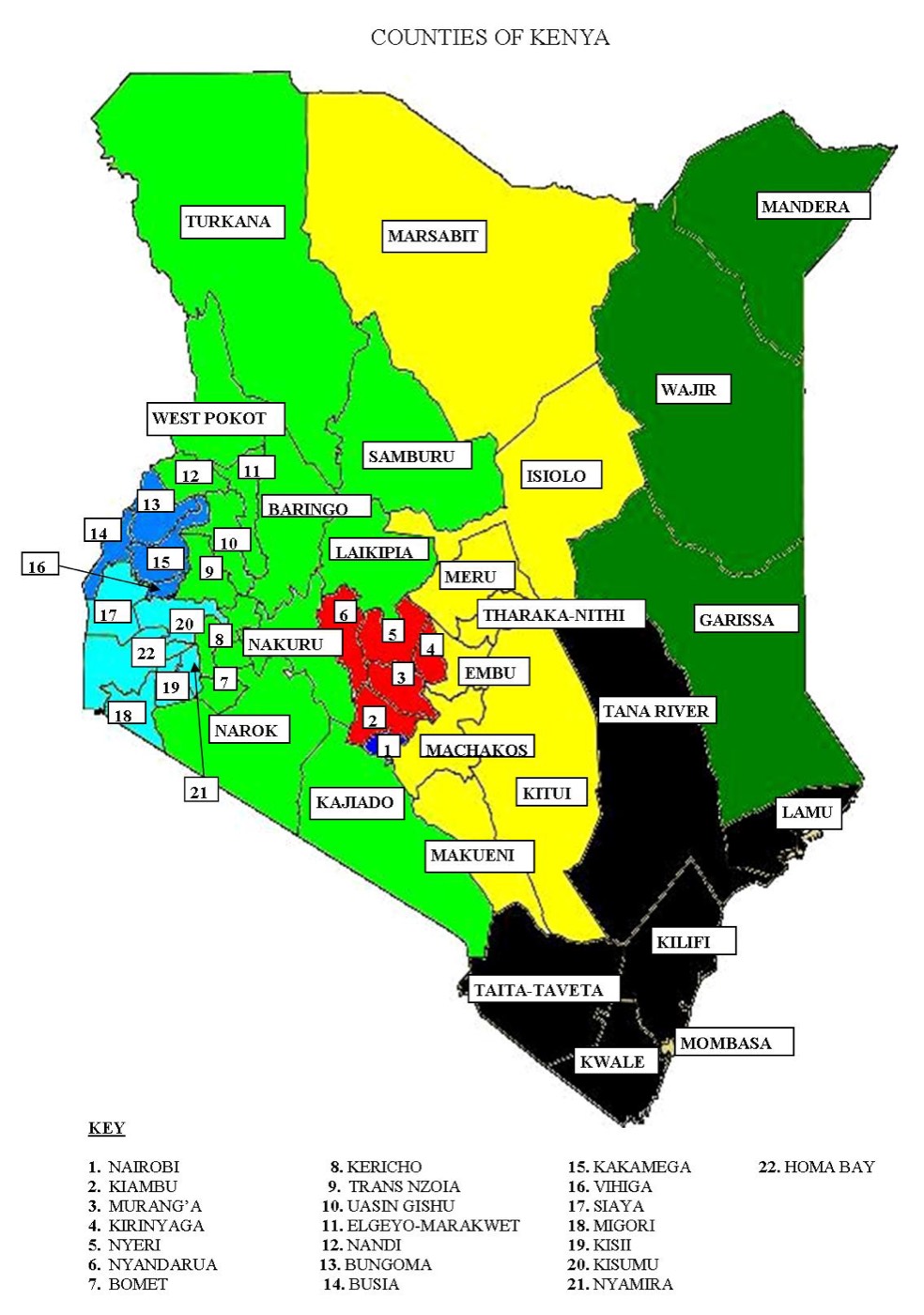
Kenyan political coverage is national by habit. The presidency gets the headlines, the coalitions get the analysis, and the 47 county races that will actually determine how most Kenyans are governed get treated as local colour.
That is backwards. Counties control health, water, roads, markets, agriculture extension and a substantial budget. And county races are decided by forces that national polling cannot see.
The five forces reshaping county races this cycle
1. Incumbency is a liability. Kenyan governors have a consistently poor record of re-election, because county failures are visible and locally attributed in a way national ones are not.
2. Deputy governors run. With striking regularity, the person who ran on the ticket runs against it next time.
3. Woman representatives and senators move up. A county-wide seat is the natural launchpad for a county-wide job, and both are county-wide.
4. Party realignment cuts across everything. A governor elected on one ticket in 2022 may be seeking a different one in 2027, and the local party structure may not follow them.
5. National fallout lands locally. Where a national split has reordered a region's politics, sitting governors in that region are running in a different environment from the one they won in.
What a national poll cannot tell you about a county
Almost everything that matters.
County races turn on: whether the referral hospital works, whether the county paid its suppliers, whether bursaries actually reached students, whether the market was rebuilt, whether staff were hired from across the county or from one sub-county, and whether the governor is seen locally as present or absent.
None of that appears in a presidential preference question.
How a serious county campaign gets its own numbers
The counties where challengers win are the ones where somebody did the arithmetic early.
Constituency by constituency, not county-wide. A county has between two and seventeen constituencies and they do not move together. A challenger who is 20 points down county-wide but leading in five constituencies has a completely different campaign from one who is evenly behind everywhere.
Ward by ward inside those. Registered voters, past performance, households contacted, issues raised. This is the level at which effort is actually allocated.
Stream by stream for the count. A county-wide race needs agents across every polling stream in every constituency. That is a recruitment task in the hundreds or thousands and it is the one campaigns leave latest.
That is precisely the structure BallotWinners is built on for a governor's campaign: every constituency scored separately on agents, doors knocked and issues raised, so the constituency that is losing votes for you is visible while there is still time — rather than on the night, when it is a result.
The question to ask an incumbent
Not "what have you done". Every governor has a list.
Ask: name three things a resident of this specific ward can point at.
Governors who can answer that in every ward are hard to beat. Governors who answer with aggregate spending figures are telling you they have no local record, which is exactly the vulnerability a challenger with a ward structure is built to exploit.
Related: the one-term problem.
The pending bills question
If you want one question that separates a strong incumbent from a weak one, it is this: what does the county owe local suppliers, and how long has it owed it?
Pending bills are the most politically radioactive item in county finance. They are owed to local businesses — the contractor who built the classroom, the supplier who delivered the drugs, the transporter — and every unpaid invoice is a household with a specific grievance and a specific number.
A county with large, aged pending bills has manufactured its own opposition campaign, staffed by people who did the work and were not paid.
What a challenger should do with that
Find them. They are not hidden; they appear in county financial statements and in the Auditor-General's reports, and the suppliers themselves are generally willing to talk.
A challenger who can name the businesses, the amounts and the years is making a specific, verifiable case rather than a general accusation — and specific verifiable cases are the only kind that survive a campaign.
Frequently Asked Questions
How many governor seats are contested in Kenya?
Forty-seven, one for each county, elected at the same time as the president, senators, county woman representatives, members of parliament and members of county assembly.
What decides a Kenyan county governor race?
Local factors national polls do not capture: county hospital and water performance, payment of suppliers, bursary delivery, hiring fairness across sub-counties, and whether the governor is seen as locally present.