The Form at the Polling Station, Not the Announcement, Is the Record
An announcement is a reading of a document. The document is a total. The total is an addition of other documents, and those were written in polling stations by presiding officers in front of agents.
Trace any Kenyan result far enough down and it ends in a room where votes were counted out loud and a form was signed. Nothing below that exists.
What an announcement actually is
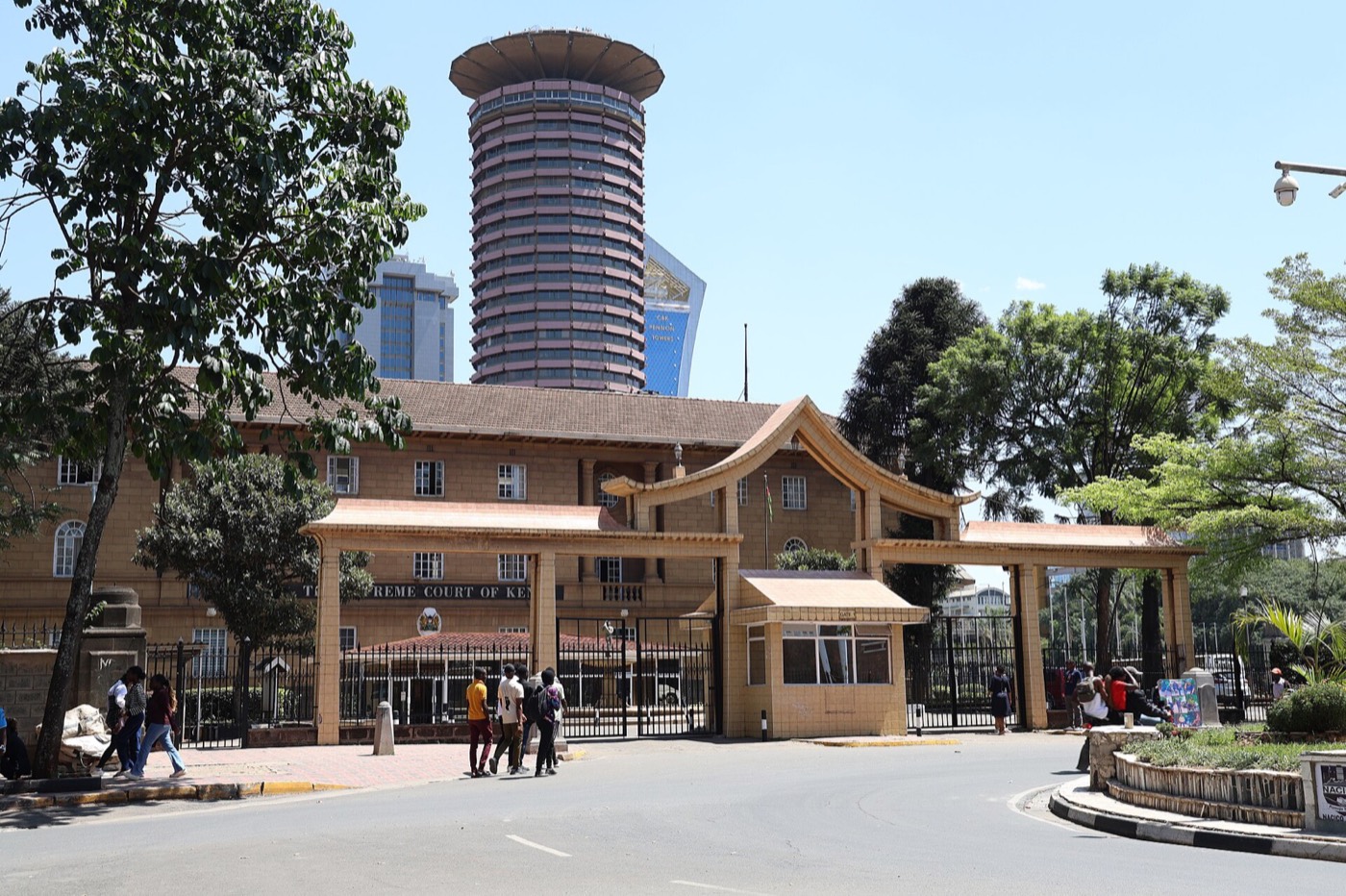
A declaration is a legal act with real consequences. It starts the clock on every challenge. A presidential petition is filed at the Supreme Court within seven days of declaration and determined within fourteen. Every other election petition is filed within 28 days of the declaration of the result.
What a declaration is not is a source of information. The returning officer reading it is reading a figure produced by adding up forms. If you want to know whether the figure is right, the announcement cannot help you and the forms can.
Why the station form is the primary record
Because it is the only document made at the point where the information is created.
Every other number in the system is derived. A B form is an addition of A forms. A C form rests on the B forms beneath it. A press release is a description of a C form. Each step is a copy, and each copy can only be checked against the thing it was copied from.
That is what makes the station copy different in kind rather than in degree. It is not a better version of the announcement. It is the thing the announcement is about.
Related: how the stages fit together.
What a campaign holding no forms can prove
Nothing, and it is worth being blunt about this because campaigns discover it late.
A campaign with no station copies cannot show that a tally figure differs from the stations that fed it, because it has no station figures. It cannot show that a candidate's votes were transposed, because it has nothing to transpose them from. It can produce witnesses who remember what was announced in a room at midnight, and memory is the weakest evidence available in an election dispute.
The strongest is a signed copy of the form, photographed at the station, filed under the station's name.
A petition against a non-presidential result is filed within 28 days of the declaration. That period covers finding a lawyer, deciding whether there is a case, funding it and assembling the evidence.
Evidence you already hold takes an afternoon to organise. Evidence you have to go and find takes longer than the window, because the people who had it have gone home, the phones have been reset, and the WhatsApp group where somebody posted a photograph has scrolled past it.
So the collection has to happen on the night. There is no later.
A photograph is a copy, and a copy is not the original
Both are worth having and they do different jobs.
Photograph the signed form in the station, because a photograph exists immediately, cannot be left in a matatu and can be sent to somebody who is awake. Then keep the paper, because it is the copy the presiding officer signed and handed over, and it is the one that carries weight when the document itself is the question.
A campaign that has only photographs is in a much better position than one with nothing. A campaign that has both, filed by station, is in the best position available to anybody who is not the commission.
What this means for how you brief agents
It reframes the job entirely.
An agent is often described as somebody who watches for cheating. That is a poor description because it is vague and unmeasurable, and it produces agents who feel useful and bring nothing back.
A better one: an agent is the person who obtains the primary record for one station and delivers it to the campaign. That is a specific, checkable, completable task. At the end of the night either the campaign holds the form or it does not, and you can count how many it holds.
Everything else an agent does is valuable. This is the part that is evidence.
What to do about it now
Decide, today, where your station copies will physically go on the night of 10 August 2027, and who receives them.
Name the person. Name the place. Give every agent the instruction in writing: photograph the signed form in the station, then deliver the paper to this person. Then practise the delivery once, with blank forms, so it is a routine rather than an improvisation at four in the morning.
A campaign that does this ends the night with a set of documents and its own verified total. A campaign that does not ends it with an opinion about a number somebody else read out.
Frequently Asked Questions
Why is the polling station form called the primary record?
Because it is made at the point where the information is created, in the room where the votes were counted. Every figure above it is derived by addition, so a tally or a declaration can only ever be checked against the station forms that fed it.
How long does a campaign have to challenge a Kenyan election result?
A presidential petition is filed at the Supreme Court within seven days of the declaration and determined within fourteen days. Other election petitions are filed within 28 days of the declaration of the result, which has to cover finding counsel, funding the case and assembling evidence.
What is the single most useful thing a polling agent can do?
Obtain the signed results form for their station and deliver it to the campaign. It is a specific and checkable task, and at the end of the night the campaign either holds the document or it does not, which is the difference between evidence and recollection.