How to File a Case at the Political Parties Disputes Tribunal
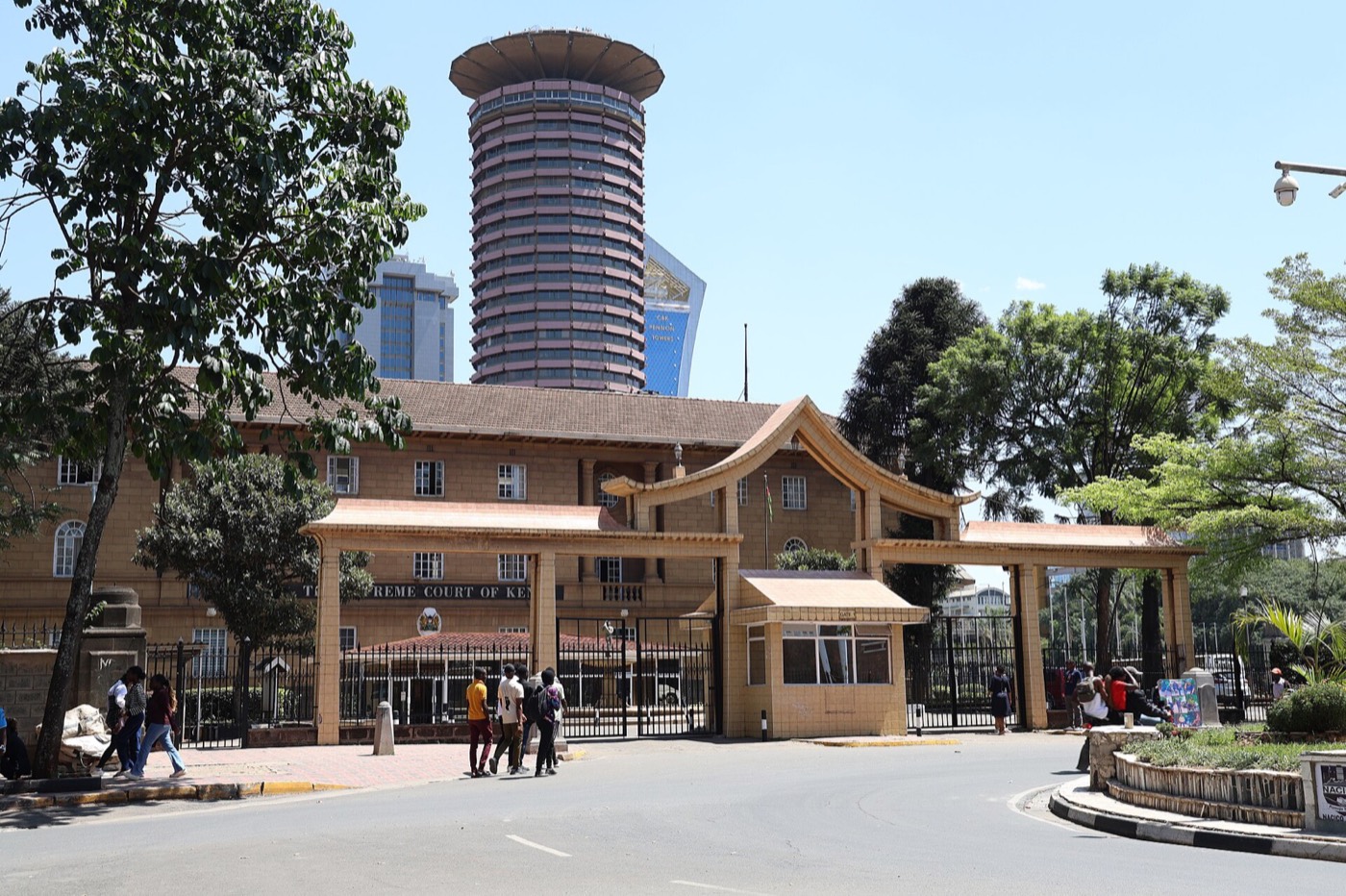
Party fights in Kenya end up in one specific place, and it is not the High Court.
The Political Parties Disputes Tribunal is established by the Political Parties Act 2011 to hear a defined list of party disputes. It has its own rules, its own filing procedure and its own timelines, and by the middle of a general election cycle it becomes one of the busiest venues in Kenyan public life.
Anybody planning to contest a seat in 2027 should understand it before they need it.
What the tribunal can hear
The Act lists categories rather than granting a general jurisdiction over politics.
Disputes between the members of a political party. Disputes between a member and their party. Disputes between political parties. Disputes between an independent candidate and a political party. Disputes between coalition partners. And appeals from decisions of the Registrar of Political Parties.
Party primary and nomination disputes reach it through those categories, which is why it is the venue most aspirants encounter.
What it will not hear
Two things, and both catch people out.
It will not hear a dispute in the categories where the Act requires internal remedies first, unless the party's own dispute resolution mechanism has been exhausted or has failed to act within the time its rules allow. That is a jurisdictional bar, not a preference, and it disposes of a great many claims before the facts are reached.
And it will not hear matters the law assigns elsewhere. Once a candidate has been gazetted and an election held, a challenge to that election is an election petition in the appropriate court, filed within the period the law sets after declaration of the result.
Related: the deadline pressure on a nomination challenge.
The filing sequence
It is a court process in structure, even where you appear in person.
You file a statement of claim naming the respondents, setting out the facts in numbered paragraphs, identifying the provisions of the party constitution, the nomination rules or the Act that you say were breached, and stating the specific relief you want. Supporting documents are attached and referred to.
A filing fee is payable. The claim is served on the respondents, who file a response. The tribunal gives directions on how the matter will proceed, including whether it will be heard on documents alone or with oral evidence. It hears the parties and delivers a ruling.
Getting the respondent right
More claims are damaged by this than by weak facts.
A dispute about a nomination usually needs the party itself as a respondent, because the party is the body whose rules are in issue and whose officials acted. Depending on the relief sought, the person who benefited from the decision has to be joined, because a tribunal will not strip a certificate from somebody who was never given a chance to be heard.
Where the complaint is against a decision of the Registrar, the appeal runs against that decision and the pleading has to identify it precisely.
Timelines and what happens after
The Act sets the period within which the tribunal is to determine a dispute, and nomination matters are dealt with on an expedited basis because of the electoral calendar. The current statutory text is the only place to read those periods, and they have been amended.
From the tribunal, an appeal lies to the High Court. A further appeal is available on points of law. The practical consequence is that a dispute filed late has almost no room to run the full route before a printing deadline, which is why the useful work is done early.
Related: when a party disciplines you instead.
What to prepare before you ever file
Four things, and none of them can be assembled retrospectively.
The party constitution and the nomination rules, obtained in writing from the party, with the covering correspondence showing when you asked and what you were sent.
A dated record of your internal complaint and of what the party did or failed to do with it, because that is what establishes the tribunal's jurisdiction.
Primary source documents rather than descriptions of them. Signed forms, registers, minutes, letters. A tribunal reads documents.
And a clear statement of the remedy you want, written before you draft anything else. Claims that ask for everything read as claims that have not decided what happened.
Related: the tribunal as a fixture of this cycle.
File early, plead narrowly, and attach everything. Those three habits win more party cases in Kenya than eloquence has ever won.
Frequently Asked Questions
What kinds of cases does the Political Parties Disputes Tribunal hear?
The Political Parties Act lists the categories: disputes between members of a party, between a member and the party, between parties, between an independent candidate and a party, between coalition partners, and appeals from decisions of the Registrar of Political Parties. Party primary and nomination disputes reach the tribunal through those categories.
Do I need a lawyer to file at the PPDT?
You may appear in person, and many claimants do. What decides most cases is not advocacy but preparation: a claim that identifies the exact rule breached, names the right respondents, attaches the primary documents, and shows that the party's internal dispute mechanism was used first. Legal help is valuable, but no advocate can create records you failed to collect on the day.
Can I appeal a decision of the Political Parties Disputes Tribunal?
Yes. An appeal from the tribunal lies to the High Court, with a further appeal available on points of law. In practice the electoral calendar limits how far a late-filed dispute can travel before ballot papers are printed, which is why filing early matters more in nomination matters than in almost any other kind of case.