How a Party List Becomes a Nominated Seat, Step by Step
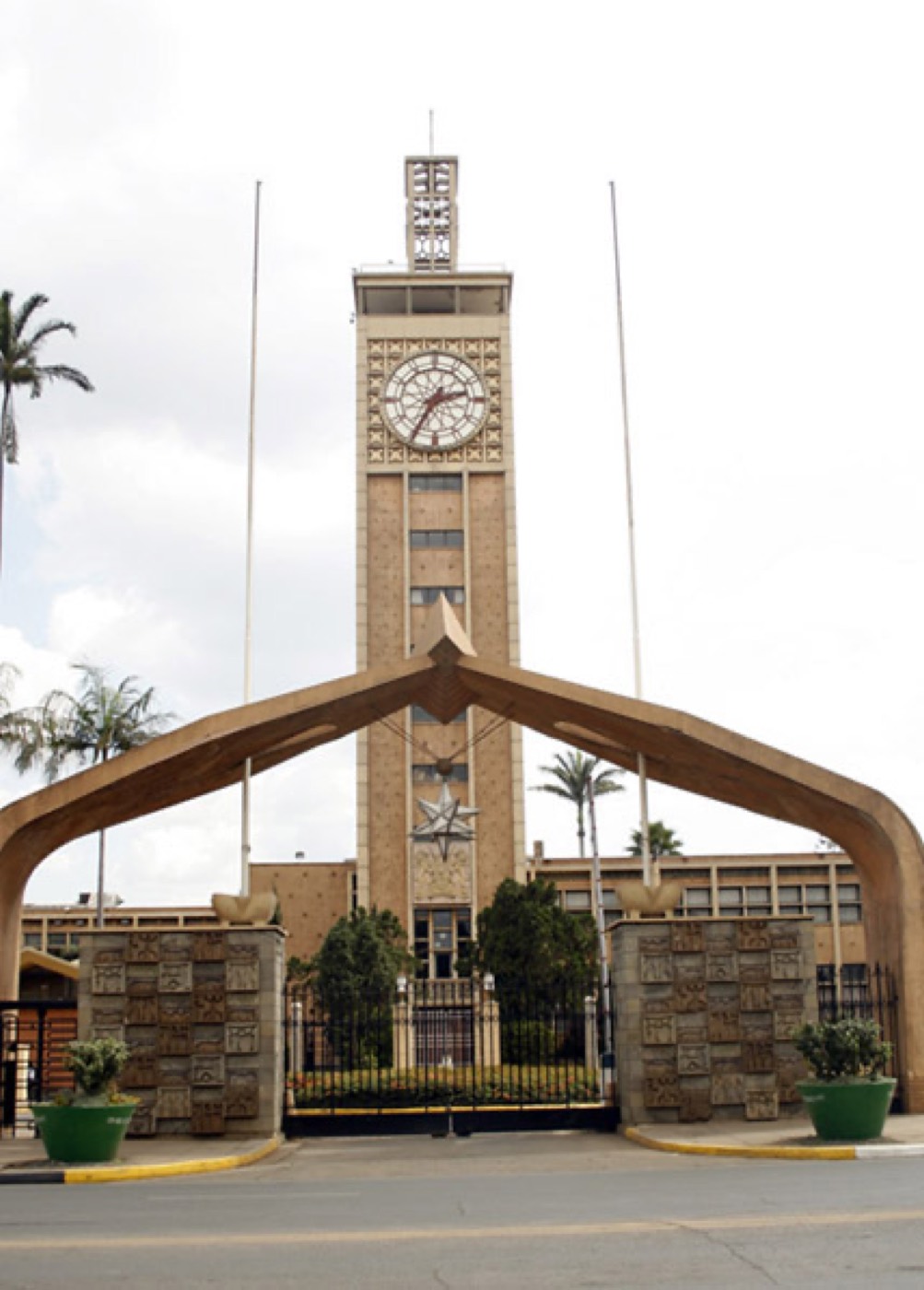
Some of the people sitting in the Senate and in every county assembly in Kenya were never voted for by anybody. They did not campaign in a ward. Their names were not printed on a ballot paper. They hold their seats because a party put them on a list and the arithmetic went their way.
That list is one of the least read documents in Kenyan politics. It decides who represents women, youth, persons with disabilities and marginalised groups in the legislatures, and almost nobody outside a party office has ever seen one.
Here is the whole process, in order.
What a nominated seat actually is
The Constitution requires that not more than two thirds of the members of elective public bodies be of the same gender. It also provides for members of the Senate and of county assemblies who are there to represent women, youth, persons with disabilities and marginalised groups.
Elections on their own have not produced that composition. Nomination is the mechanism the Constitution uses to close the gap between what the ballot returns and what the law requires.
A nominated member is a full member. They sit, they debate, they vote, they serve on committees. What they do not have is a ward or a county that put them there. That single difference shapes how they behave, how colleagues treat them, and how easily the people who chose them can drop them next time.
Where the list comes from
Long before polling day, a party that expects to win anything prepares its party lists.
This is an internal exercise. It happens in a party office, under the party's own nomination rules, and it is where the real competition for these seats takes place. No public vote. No ballot. A list, and an order.
The order is not decorative. Names near the top of a list take seats. Names further down do not. Two people on the same list, one placed third and one placed ninth, are in entirely different positions even though the document treats them as colleagues.
What the IEBC does with the lists
Party lists for nominated seats are submitted to the Independent Electoral and Boundaries Commission, and the commission publishes them.
Publication matters more than it sounds. A list that is public before polling day can be questioned before polling day, by party members, by the groups the seats exist for, and by anyone who can read. A list nobody sees until afterwards cannot be argued with. It can only be complained about.
If you belong to a party and cannot find its list, that is a question to put to the party in writing, before the deadline rather than after it.
How many seats a party gets, and who fills them
Nominated seats are shared out in proportion to what each party actually won at the ballot.
The principle is simple even where the formula is not. A party that wins a large share of seats receives a large share of the nominated places. A party that wins a small share receives few. A party that wins nothing receives nothing at all, however good its list is.
That is the part aspirants most often miss. A place on the list of a party with no realistic prospect of winning seats in your county is not a route into the county assembly. It is a piece of paper.
Once the numbers are settled, the seats are filled from the lists in the order the party set. So the decisive moment happened months earlier, inside a party office, when somebody decided whose name went where. By the time results are being read out, the outcome is already written down.
Related: what the gender rule would change.
The two ways a list goes wrong
The first is late assembly. Lists get drawn up in the final rush before a deadline, by whoever happens to be in the room, and that is rarely the people the seats were created to serve.
The second is that the list becomes a settlement of other debts. A place is used to console someone who lost a primary, or to thank a financier, or to hold a faction together for one more month. The seat still gets filled. It stops doing the job the Constitution created it to do.
Related: who is supposed to be on these lists.
What to do in 2026 if you want one of these seats
Join a party now and make sure you appear on its register of members. A list is drawn from members, and membership that is claimed but not recorded is not membership.
Get your party's nomination rules and read the part about party lists. They will name the organ that compiles the list and the organ that approves it. That organ is the audience for everything you do next.
Build a record that organ can see. Groups you have organised, cases you have taken up, meetings you have chaired, disputes you have settled. Lists are compiled from names people recognise, and recognition takes months to build and one deadline to miss.
Then write to the party and ask when the list will be drawn and how a member is considered for it. The answer, or the silence, tells you what kind of party you have joined while there is still time to act on it.
Frequently Asked Questions
Do nominated MCAs and senators have the same powers as elected ones?
In the chamber, yes. A nominated member debates, votes and sits on committees exactly as an elected member does. The difference is where their mandate comes from. An elected member answers to a ward or a county, while a nominated member holds the seat because a party placed them on a list, which changes who they have to satisfy to keep it.
How does the IEBC decide how many nominated seats each party gets?
Allocation follows what parties won at the ballot, in proportion to their performance. A party with a large share of elected seats receives a large share of the nominated places, and a party that wins no seats receives none. The lists themselves are prepared by the parties and submitted to the commission, which publishes them.
Can an ordinary party member get onto a party list?
It is possible, but only if you are a recorded member and only if you are known to the party organ that compiles the list. Start by reading your party's nomination rules to find out which organ that is. Then build a visible record of organising work and ask, in writing, how members are considered before the list is drawn rather than after.