How to Report an Election Offence in Kenya, and to Which Body
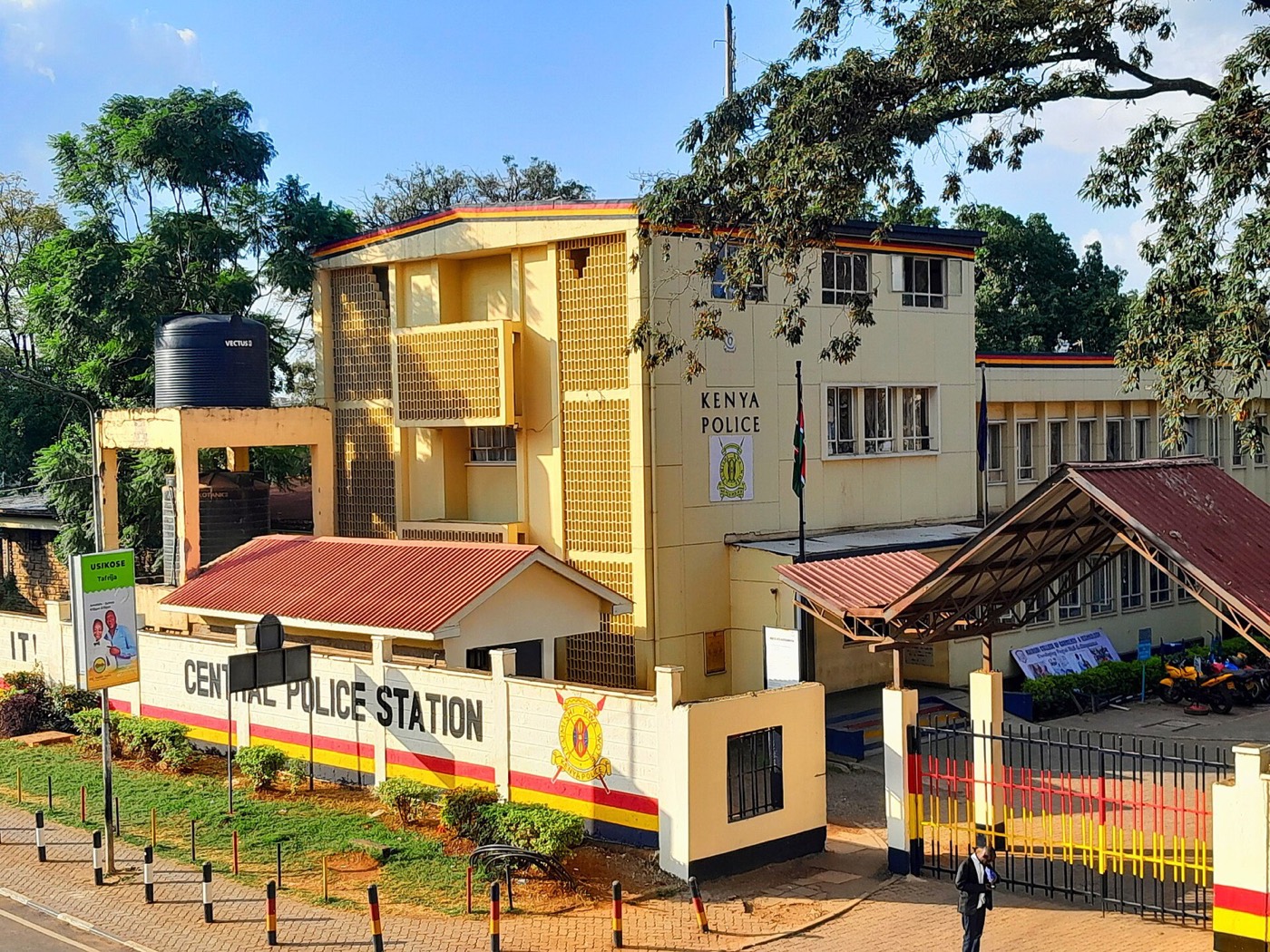
Most election offence complaints in Kenya die at the first step, and the first step is choosing the right door.
People take criminal conduct to the IEBC, Code of Conduct breaches to the police, party nomination disputes to everybody, and then conclude that nothing works. Several of those bodies do work. They just do different things.
Decide first what kind of complaint you have
Ask one question: is this a crime, a breach of the Electoral Code of Conduct, a party matter, or a challenge to a result?
A crime is bribery, violence, impersonation, multiple voting, falsifying a results form, hate speech. It goes to the police and ends up, if it goes anywhere, with the Director of Public Prosecutions.
A Code breach is conduct by a party or candidate that offends the Code. It goes to the IEBC, which does not need a criminal standard of proof.
A party matter is a nomination dispute, a membership dispute, an internal party disciplinary question. That belongs to the party's internal mechanism first and then to the Political Parties Disputes Tribunal.
A challenge to a declared result is an election petition, filed in court within the statutory window. It is not a complaint, it is litigation, and it has deadlines that do not move.
Many incidents fall into two categories at once. File in both. They do not wait for each other.
The bodies, and what each can actually do
The police and the Directorate of Criminal Investigations investigate crimes and take statements. They do not decide whether anyone is charged.
The Director of Public Prosecutions decides on charges and conducts prosecutions. This is why an investigation can be complete and still produce nothing visible.
The IEBC enforces the Code of Conduct and handles election administration complaints. Its officers include a returning officer for every constituency and county, and that officer is a real point of contact rather than a symbolic one.
The National Cohesion and Integration Commission handles hate speech and ethnic contempt complaints: why coded language is still language.
The Independent Policing Oversight Authority handles complaints about police conduct, which is a different question from whether police handled your complaint well: what IPOA can and cannot do.
The Kenya National Commission on Human Rights documents human rights violations, including in an election context. Documentation is not prosecution, and it is still worth having.
What to collect before you report anything
A complaint is only as good as what arrives with it.
Date, time and precise location, including the polling station or stream number where relevant. The names of the people involved, or a description if you do not have names. The names and phone numbers of witnesses, collected on the spot, because people scatter.
Unedited photographs and video, copied off the phone the same day. Any document you were lawfully given, photographed front and back. Medical records where anyone was hurt. A written account made the same day, in your own hand, while the sequence is still accurate.
What you should not bring is a conclusion. Describe what you saw. Let the investigator decide what offence it is.
The Occurrence Book number is the whole game
When you report at a police station, the report goes into the Occurrence Book and you get an entry number.
Get it. Write it down. Photograph it if you are permitted to. Without an OB number you have had a conversation, and a conversation is not a complaint.
That number is what lets you follow up in a month, what lets a lawyer trace the file, what an oversight body asks for first, and what turns your account from an allegation into a recorded report with a date on it.
Detail on the violence side of this, including what to do in the first hour, is here: what counts and who investigates.
What to do when nothing happens
Something often does not happen, and the answer is not to give up or to go to social media first.
Follow up in writing, referencing the OB number and the date, and keep a copy of what you sent. Escalate within the same institution before you escalate outside it. If the complaint is about police conduct itself, that is IPOA's subject. If the same conduct is also a Code breach, run the IEBC track in parallel rather than sequentially.
Start before you need it
Between now and 10 August 2027, find out who your constituency returning officer is, which police station covers each of your polling centres, and which of your team is responsible for incident reporting. Three phone numbers, written down in advance, are the difference between a complaint filed on the day and one filed on the Monday, when it is worth much less.
Frequently Asked Questions
Where do I report an election offence in Kenya?
It depends on what the complaint is. Criminal conduct such as bribery, violence, impersonation or falsifying results goes to the police and the Directorate of Criminal Investigations, with the Director of Public Prosecutions deciding on charges. A breach of the Electoral Code of Conduct goes to the IEBC, hate speech goes to the National Cohesion and Integration Commission, and complaints about police conduct go to the Independent Policing Oversight Authority.
Why does the Occurrence Book number matter so much?
Because it converts a conversation into a recorded report with a date attached. The OB number is what lets you follow up weeks later, what allows a lawyer to trace the file, and what an oversight body will ask for first. If you leave a police station without one, you have not really filed anything.
Can the same incident be reported to more than one body?
Yes, and it often should be. A single incident can be a crime, a breach of the Electoral Code of Conduct and a human rights matter at the same time, and the bodies that handle each do not wait for one another. Filing in parallel is normal rather than duplicative.