Infotrak Has Ruto at 32 Per Cent. Here's What That Does and Doesn't Mean.
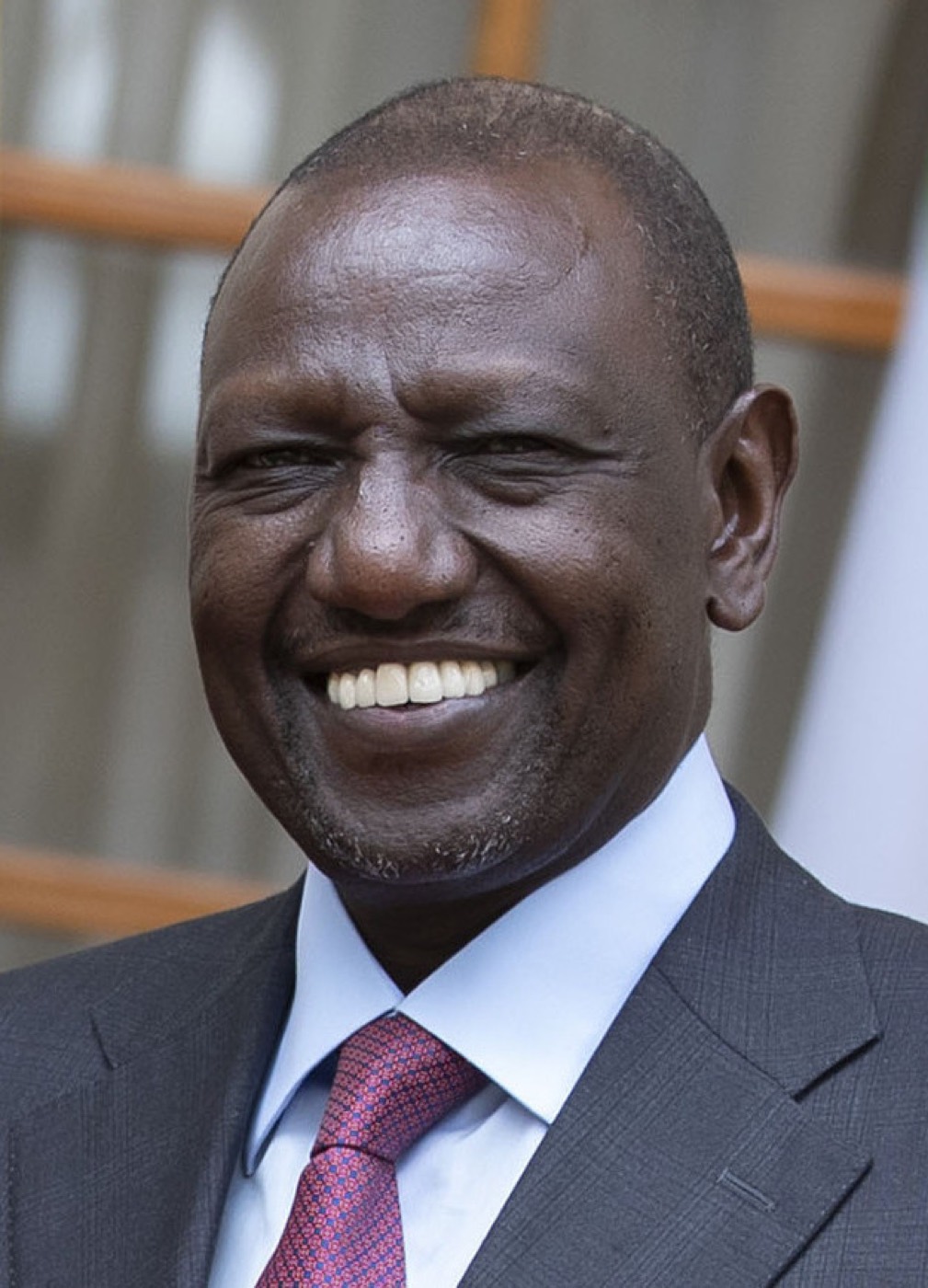
An Infotrak Voice of the People poll has President William Ruto leading the field of potential 2027 contenders on 32 per cent, followed by Kalonzo Musyoka on 13, Edwin Sifuna on 12 and Fred Matiang'i on 12.
The same series has tracked the President from 21 per cent in August 2025 to 28 per cent in December 2025 to 32 per cent by mid-2026.
Here is how to read that without making the four standard mistakes.
Mistake one: reading the level instead of the trend
A single figure from a single house tells you very little. Sample design, question wording and fieldwork dates all move a number by several points.
What is meaningful is direction over time from the same house asking the same question. On that basis the finding is real: the incumbent's support has risen across three readings in a year.
Note also that a different house, TIFA, has produced lower figures for the same period with a tighter opposition field. Two houses disagreeing on level while agreeing on shape is normal and informative.
Mistake two: adding the opposition together
13 plus 12 plus 12 is 37, which is more than 32. That sum is the entire argument for opposition unity and it is not a prediction.
Voters are not transferable between candidates like counters. A Sifuna supporter is not automatically a Kalonzo supporter, and some portion of any candidate's support would stay home rather than move.
The sum tells you what is theoretically available. It does not tell you what would actually consolidate.
Mistake three: ignoring the undecided
Kenyan polling in this period has recorded roughly one in five voters undecided.
In a field where the leader is at 32, an undecided bloc of that size is larger than the gap between second and fourth place. Any analysis that treats the published shares as a forecast is ignoring the largest single group in the survey.
Mistake four: believing a graphic
Africa Check has already debunked a fabricated "Infotrak poll" circulating in this cycle showing a completely different result.
If a poll graphic is circulating without a named house, a fieldwork date and a sample size, treat it as invented. That is not scepticism; it is the minimum standard, and fabricated polls travel further than real ones because they are designed to.
What a poll cannot tell a ward campaign
Anything useful.
National presidential preference does not predict a ward result. What predicts a ward result is how many households your team has actually spoken to, what those households said, and whether the people who agree with you are registered and will turn out.
Those are numbers a campaign can only have if somebody has been recording them, week by week, since 2026 — and they are the numbers almost no Kenyan campaign can produce.
Related: Ruto's path to re-election.
What to ask about any poll before quoting it
Five questions. If a report does not answer them, it is not reporting a poll, it is repeating a number.
Who commissioned it? Not disqualifying, but relevant.
What was the exact question? "Who would you vote for if the election were held today" and "who do you think will win" produce very different answers from the same person.
When was fieldwork conducted? A poll taken before a major event and published after it is describing a country that no longer exists.
What was the sample and how was it drawn? National, county-weighted, urban-skewed, phone-based — each has known biases.
What is the margin of error, and is the gap inside it? Two candidates three points apart in a poll with a three-point margin are tied.
Kenyan polling houses generally publish these. Kenyan social media generally does not, which is where the fabrications live.
Frequently Asked Questions
What did Infotrak's July 2026 Kenya poll show?
President William Ruto led on 32 per cent, followed by Kalonzo Musyoka on 13, Edwin Sifuna on 12 and Fred Matiang'i on 12, with his own support having risen from 21 per cent in August 2025.
Can you add opposition candidates' poll numbers together?
Not as a forecast. Voters are not transferable between candidates, and some support for any given candidate would stay home rather than move to a rival, so the sum shows what is theoretically available rather than what would consolidate.
How do you spot a fake Kenyan opinion poll?
Check for a named polling house, fieldwork dates and a sample size. Africa Check has debunked fabricated poll graphics in this cycle, and a circulating result without those details should be treated as invented.